
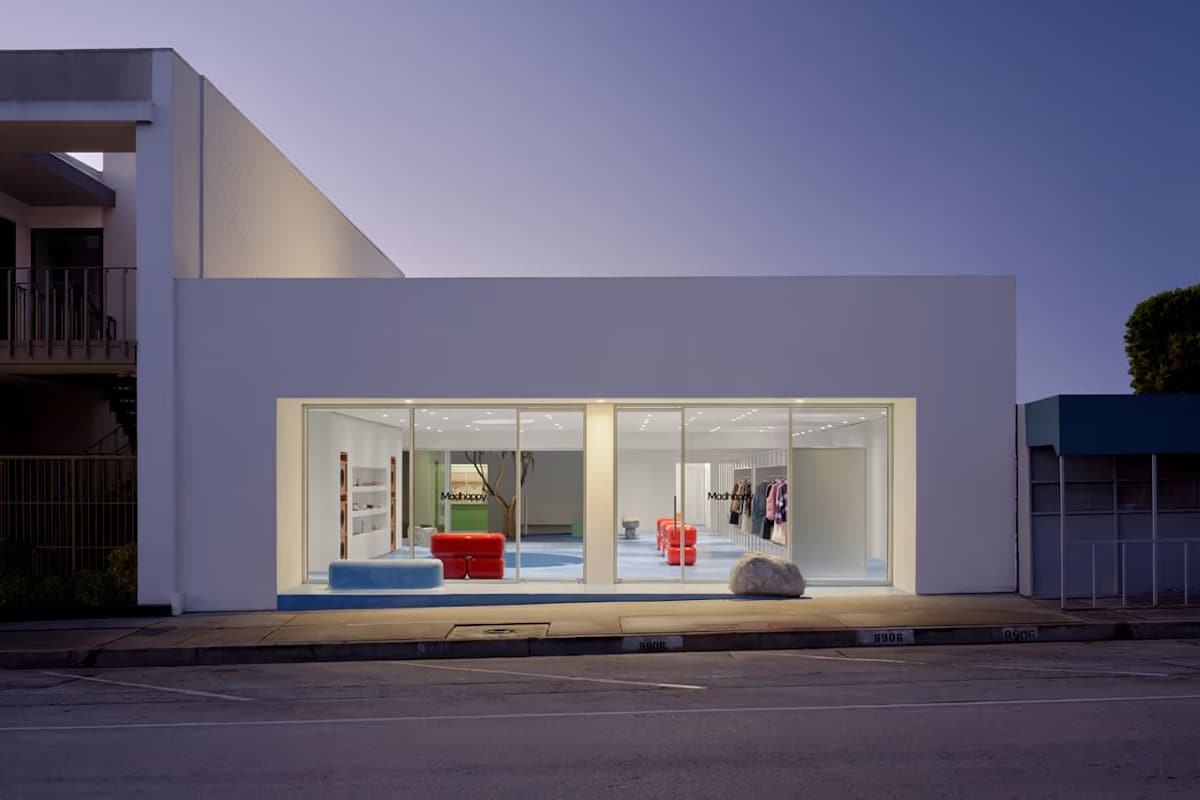
DTC-brand Madhappy has opened its first physical store in West Hollywood.
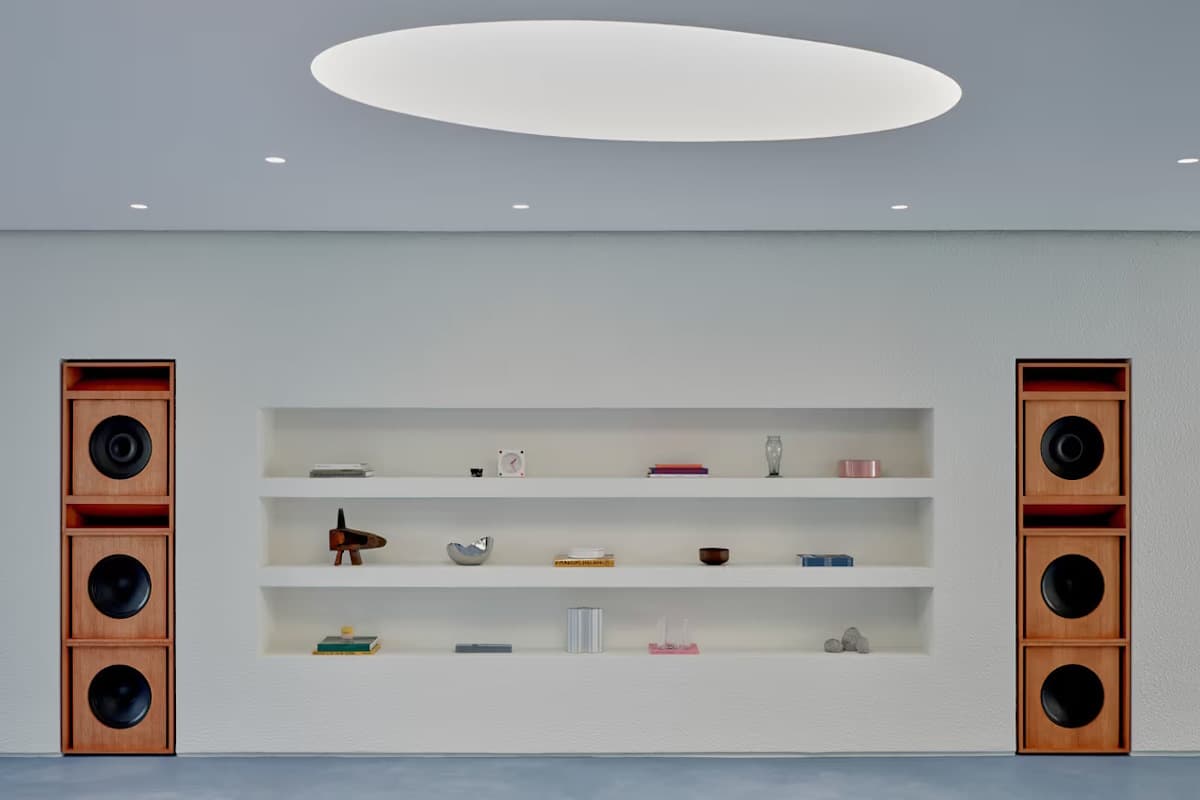
DTC brand Madhappy has opened its first physical store. The 2,800-square-foot retail space is located in West Hollywood, California. The outlet features apparel collections and also operates the brand’s own coffee. According to the concept, the space combines fashion, art and food. Los Angeles-based studio PlayLab, Inc. worked on the design of the space.
Pantry by Madhappy: a café collaboration
According to the brand representatives, “the flagship store is not just a place to make a transaction, but a space where customers can spend a few hours, not just a few seconds browsing.” The Pantry by Madhappy cafe offers coffee, tea and pastries in partnership with the coffee brand Hotel Drugs. Local brands Courage Bagels, Gjusta, Jon & Vinny’s, Beverly Hills Juice and Awan are also participating.
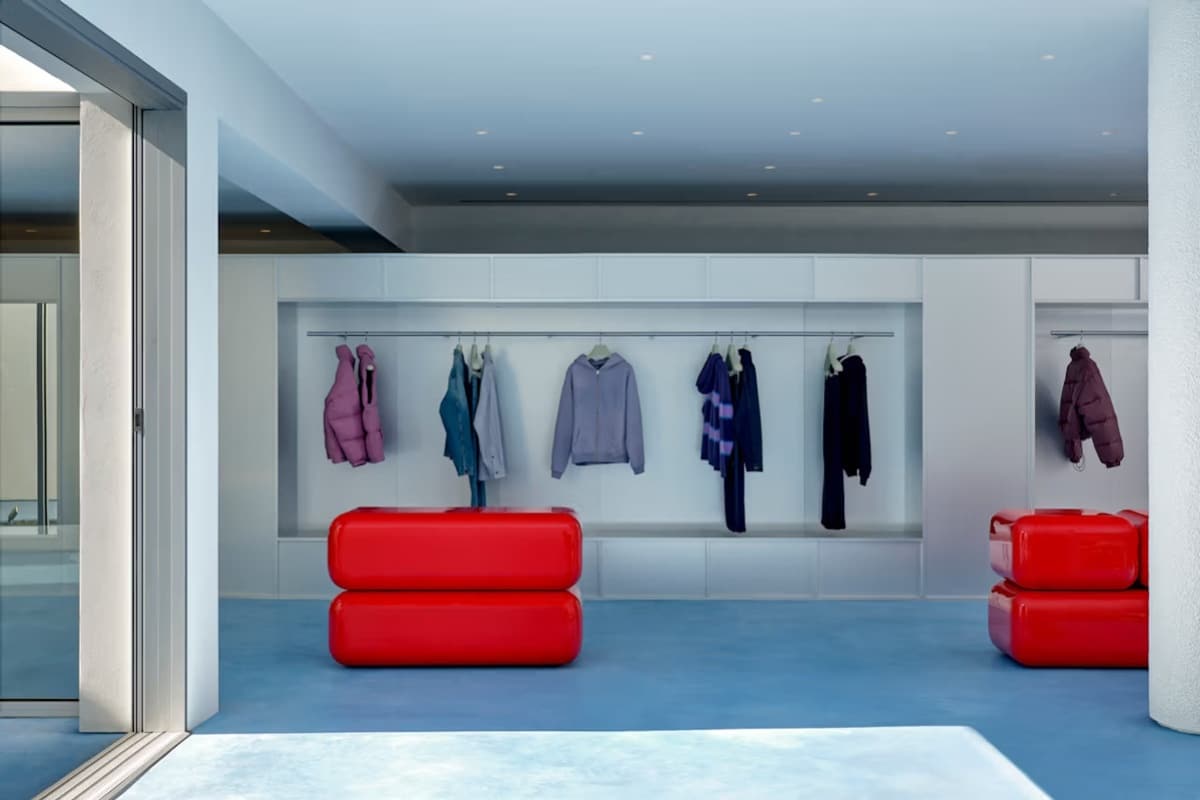
“We’ve always viewed our shops as spaces that go beyond something purely transactional,” explained the label’s co-founder Peiman Raf. “We want to allow our community to engage with Madhappy beyond what’s possible digitally.”
Madhappy’s evolution: from DTC to LVMH funding
The DTC-brand was founded in 2017, and two years later, the team received $1.8 million in funding from fashion giant LVMH’s structures. The opening of the first retail store followed the launch of more than twenty pop-up stores in New York, Miami and other cities.
“It’s been amazing to take our time with our first flagship, to really obsess over every detail in collaboration with PlayLab,” Madhappy co-founder Mason Spector conveyed of the store’s intentional layout.”We’ve made a huge effort to think through every inch of the space.”
Exclusive capsule collection: unveiling at the flagship
To celebrate the opening, the brand offers customers the opportunity to purchase pieces from a specially created capsule collection of clothing that can only be purchased at this store.
Bluewater opens its first new anchor since 1999. Next takes the former House of Fraser space with about 132,000 square…
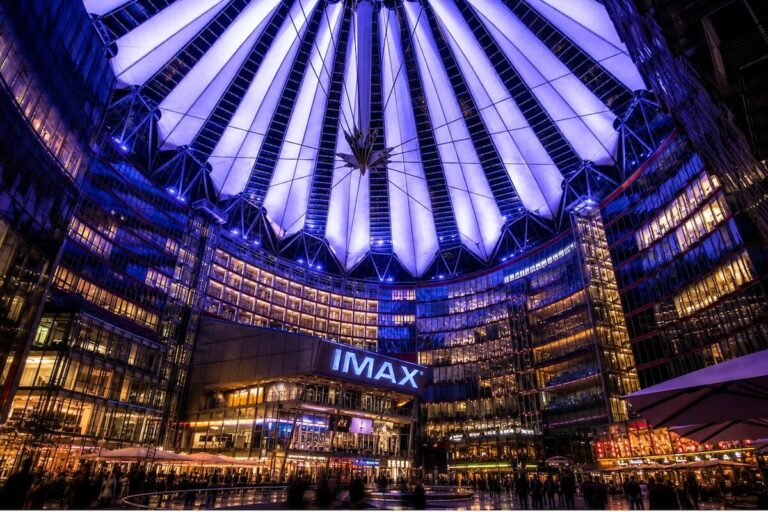
Opening in IMAX 70mm on July 17, 2026: Christopher Nolan's The Odyssey. Select shows went on sale one year in…

European retail is scaling AI, agentic commerce and retail media, but consumer trust is becoming the constraint. Four structural shifts…
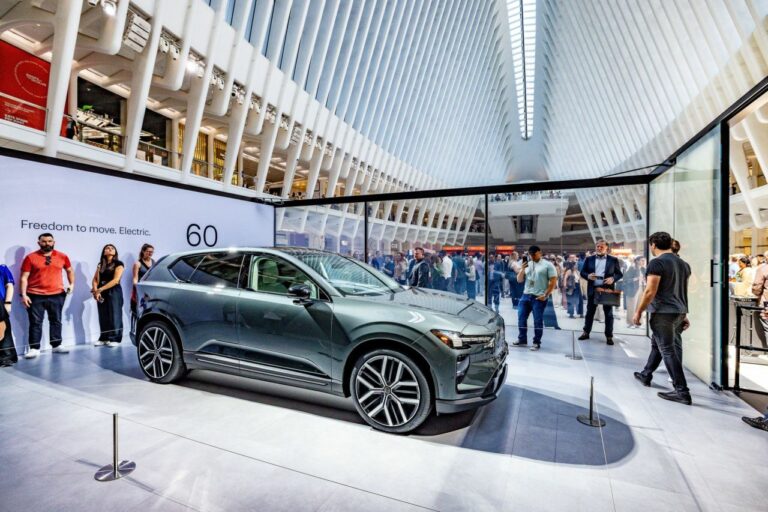
Mall operators are no longer leasing space for pop-ups. They are selling audience access.
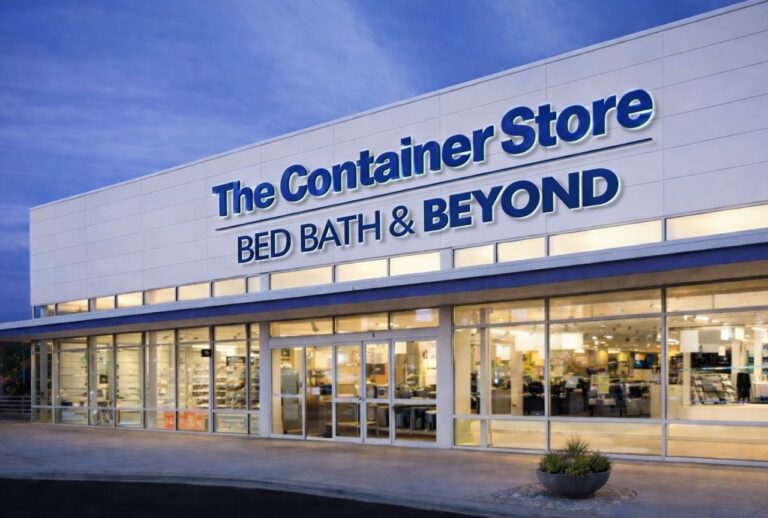
Physical stores still drive most retail sales, fulfill online orders, support AI shopping, and help brands return to market.
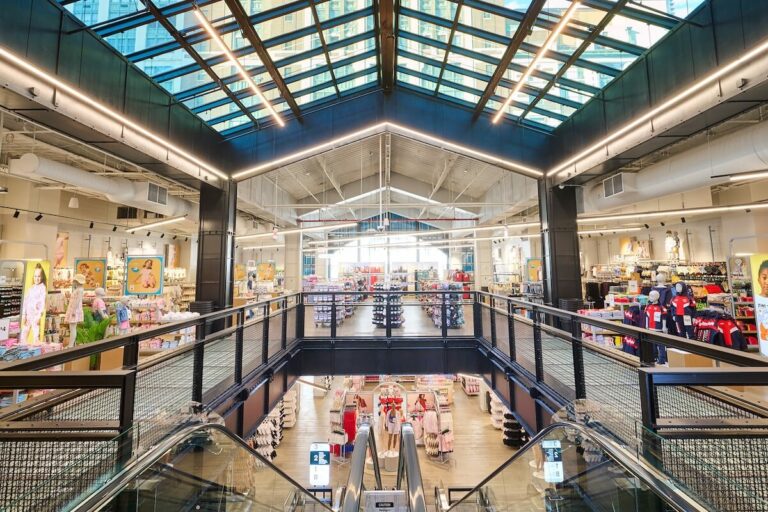
A practical guide to nine mall tenant formats in 2026, from flagships and pop-ups to anchor redevelopment and mixed-use retail.
Verified signals on brand expansion, store openings, and mall development. Free.
Free · No credit card · Unsubscribe any time
