

The strength and attractiveness of a shopping mall could be directly tied to the size of the retailers or restaurant chains they were attracting as tenants.
By extension, properties that attracted little more than so-called ‘mom and pop’ tenants were viewed as outclassed and behind the times. As CNBC reports, the drastically changing retail landscape and resulting shift in consumer habits has led to that way of thinking being completely turned upside down.
Landlords are increasingly turning back to small businesses as a way to fill up space. And it’s working. We’re not just talking smaller centers in remote locations either, we’re talking some major pieces of real estate in bustling metro areas. For example, Colliers International had a choice to make when 4,000 square feet opened up at Town Center Corte Madera, which is located near San Francisco. They did their homework and noticed that small business revenues were increasing, and decided to split the space in two. One half of the space was leased to a local restaurant, and Colliers couldn’t be more pleased with the results.
“They’re performing far stronger than a restaurant tenant that we have there in 5,000 square feet that’s national,” according to Anjee Solanki, Colliers national director of retail services.
Colliers is far from the only landlord to recognize the small business segment as a potential solution to growing concerns over how to fill space. Kimco, the open-air shopping center giant, has even started a program geared towards attracting those very tenants. The company offers small businesses free rent for one year and a reduction in property charges, a pilot program they started in California and have since expanded to 19 other states.
CBL & Associates is on board with this line of thinking as well, and has been offering a short-term lease program geared towards small business owners. The company owns both open-air centers and enclosed malls across the U.S., and has also taken this thinking a step further to what today’s consumer is looking for. Experience-based tenants, or those that offer activities as opposed to goods or services, are clearly on the company’s radar. Today’s consumer has shown a preference for activities that engage them, as well as merchandise that they simply can’t find anywhere else – even online.
“They’re (shoppers) not going to find that tenant anywhere else, and that’s ultimately what you’re looking for,” explains industry expert Jesse Tron.
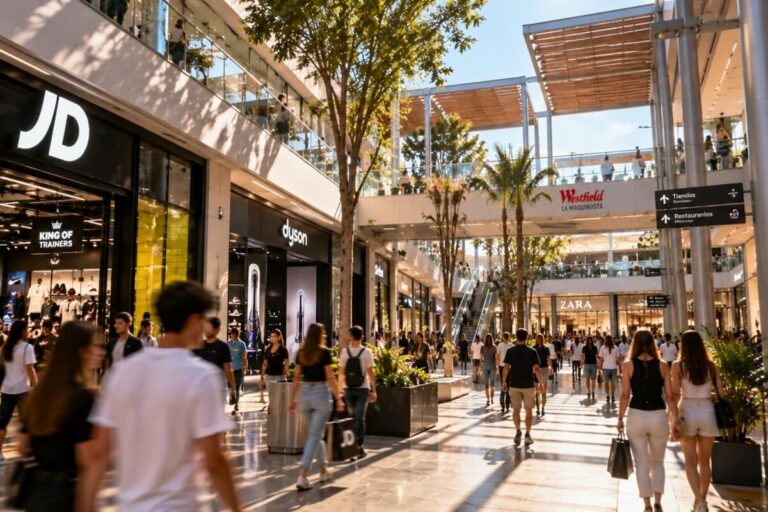
The vendors and deployments behind shopping advice, store navigation and retail operations, with a closer look at what it takes…
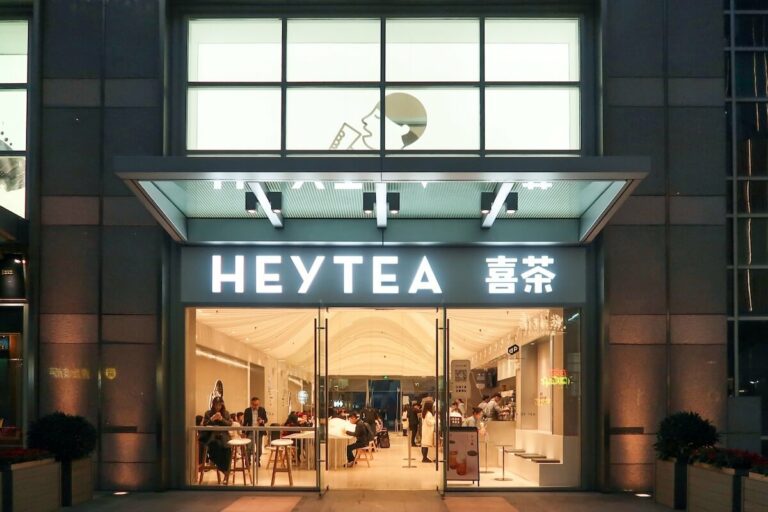
Miss A, Rowan and HEYTEA are on US mall opening lists in fall 2026. Their public records show what each…

Gross margins and selected profit metrics for Coach, Pop Mart, lululemon, Miniso, Five Below, TJX and Costco, plus where each…

NikeSKIMS, Birkenstock and Starbucks Reserve chose HKRI Taikoo Hui for major China debuts. Why the Shanghai complex keeps winning new…
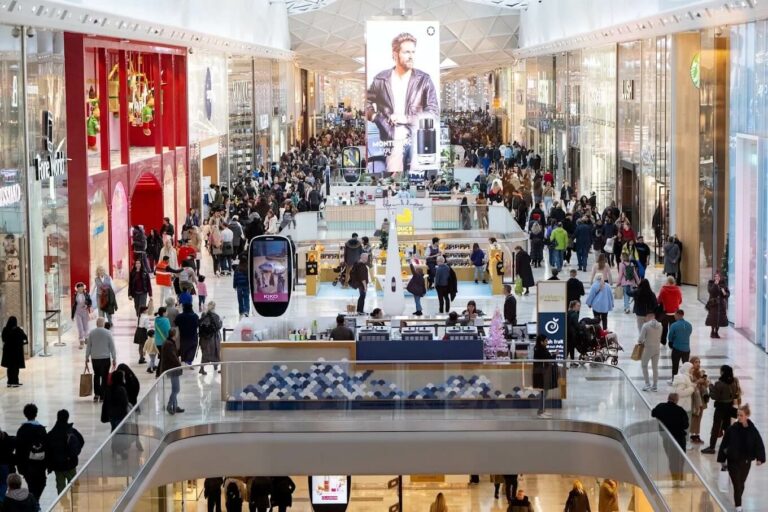
Bluewater opens its first new anchor since 1999. Next takes the former House of Fraser space with about 132,000 square…

Opening in IMAX 70mm on July 17, 2026: Christopher Nolan's The Odyssey. Select shows went on sale one year in…
