
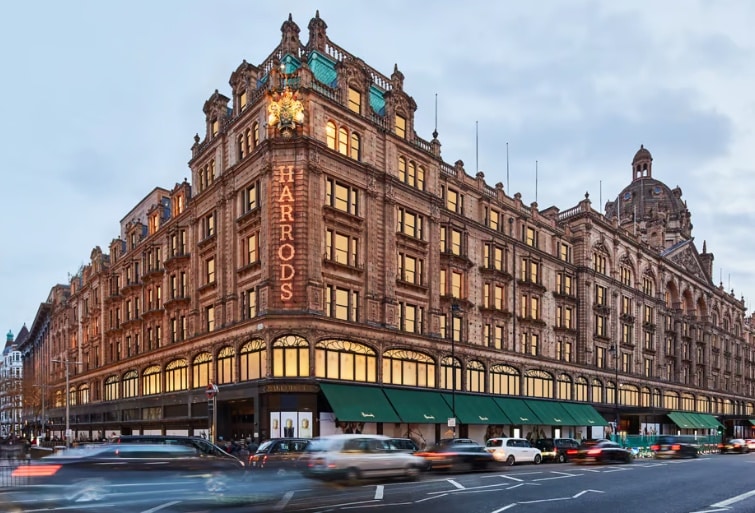
Harrods expands global D2C e-commerce through partnership with Global-e. Harrods is strengthening its international direct-to-consumer (D2C) online operations in a strategic partnership with Global-e, a platform known for enabling global e-commerce for luxury brands. The collaboration “will enable Harrods to enhance its e-commerce strategy in over 200 markets worldwide, offering customers a seamless and sophisticated […]
Harrods expands global D2C e-commerce through partnership with Global-e.
Harrods is strengthening its international direct-to-consumer (D2C) online operations in a strategic partnership with Global-e, a platform known for enabling global e-commerce for luxury brands. The collaboration “will enable Harrods to enhance its e-commerce strategy in over 200 markets worldwide, offering customers a seamless and sophisticated online shopping experience,” a spokesperson shared.
The move reflects a growing trend among high-end brands to prioritize a refined digital experience that mirrors the brand’s identity. The recent DSquared2 partnership with ESW highlights the stakes for luxury businesses in creating e-tail operations that feel distinctively premium rather than merely transactional.
Global-e emphasized the partnership’s goal to uphold Harrods’ commitment to quality, stating, “Our platform will ensure that customers around the world enjoy the same high-quality, personalized experience online that they expect from Harrods’ in-store service and reputation for excellence.”
The enhanced D2C offering includes localized shopping experiences with features like local currency browsing and payments, diverse payment methods, competitive shipping options, transparent duty and tax calculations with prepayment options, and an easy return process. This approach is designed to provide a premium, seamless journey, ensuring that international customers experience Harrods’ luxury standards online.
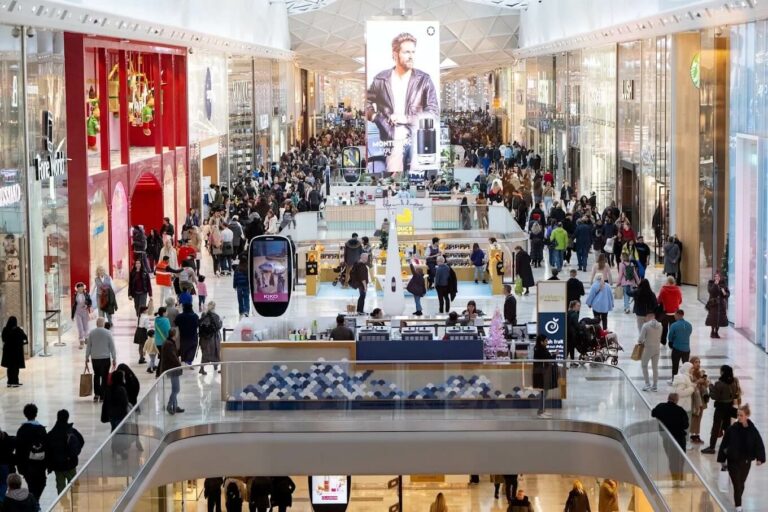
Bluewater opens its first new anchor since 1999. Next takes the former House of Fraser space with about 132,000 square…
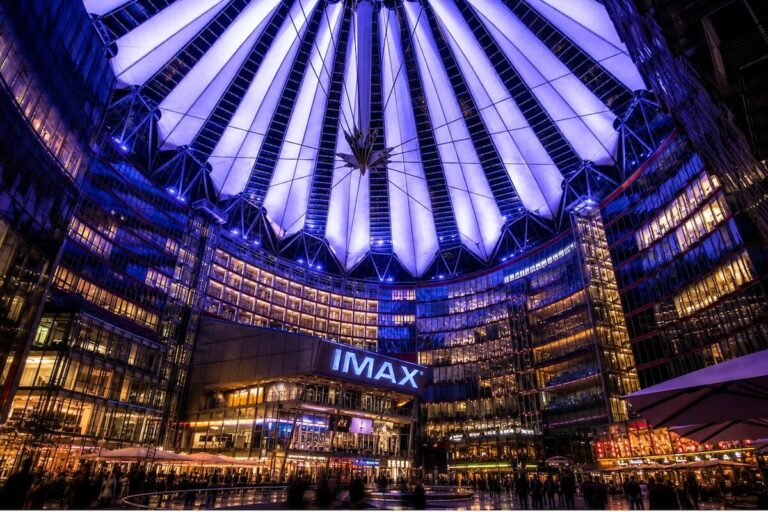
Opening in IMAX 70mm on July 17, 2026: Christopher Nolan's The Odyssey. Select shows went on sale one year in…
European retail is scaling AI, agentic commerce and retail media, but consumer trust is becoming the constraint. Four structural shifts…
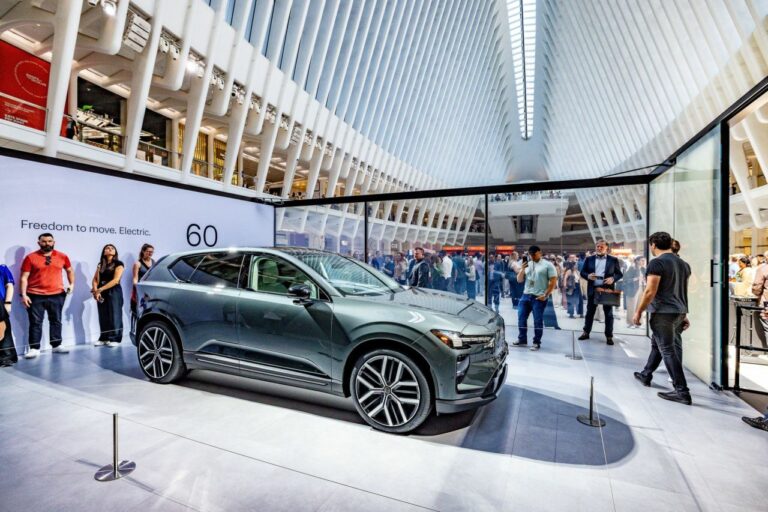
Mall operators are no longer leasing space for pop-ups. They are selling audience access.
Physical stores still drive most retail sales, fulfill online orders, support AI shopping, and help brands return to market.
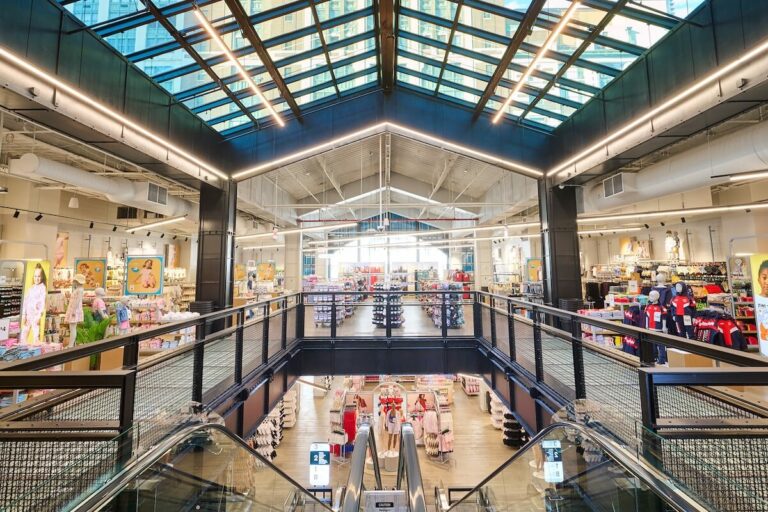
A practical guide to nine mall tenant formats in 2026, from flagships and pop-ups to anchor redevelopment and mixed-use retail.
Verified signals on brand expansion, store openings, and mall development. Free.
Free · No credit card · Unsubscribe any time
