

The Italian luxury brand has opened its new boutique on London’s New Bond Street.
The Italian luxury brand has opened the doors to its new boutique on London’s New Bond Street, replacing its former premises on the corner of Old Bond Street. The store is twice the size of its previous space, occupying 15,000 square feet in a historic building owned by Trophaeum.
The gallery showcases Gucci handbags, jewelry, ready-to-wear for women and shoes. The boutique’s lower level houses men’s ready-to-wear, watches and small leather goods, while the mezzanine has a specially installed Gucci Valigeria collection that mimics a vintage railroad train. The Tudor Room is dedicated to Gucci’s past, featuring suitcases and duffel bags from the brand’s archive in Florence, dating from the 1930s to the 1980s.
This is Gucci’s first European salon with a special room on the top floor for VIPs and high-end clients by appointment. The room will change with each appointment, customized to the client’s tastes. The store, located on New Bond Street, also offers customized and bespoke clothing.
The store is neighbored not only with other luxury fashion brands, but also with London’s best galleries, from Richard Green and Halcyon Gallery to Sotheby’s, located a stone’s throw away. The store will meet LEED standards, implementing eco-friendly energy-saving technologies. Gucci’s focus on the most affluent customers is part of its exit strategy after sales fell 14% in the last three months of 2022.
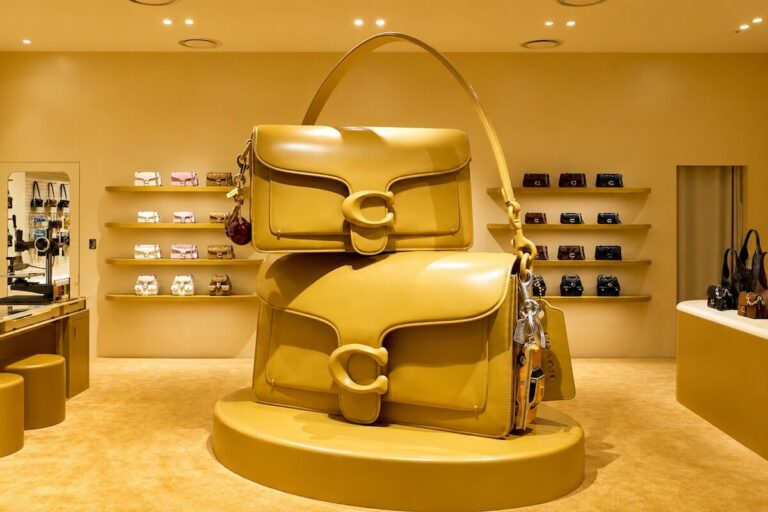
Gross margins and selected profit metrics for Coach, Pop Mart, lululemon, Miniso, Five Below, TJX and Costco, plus where each…
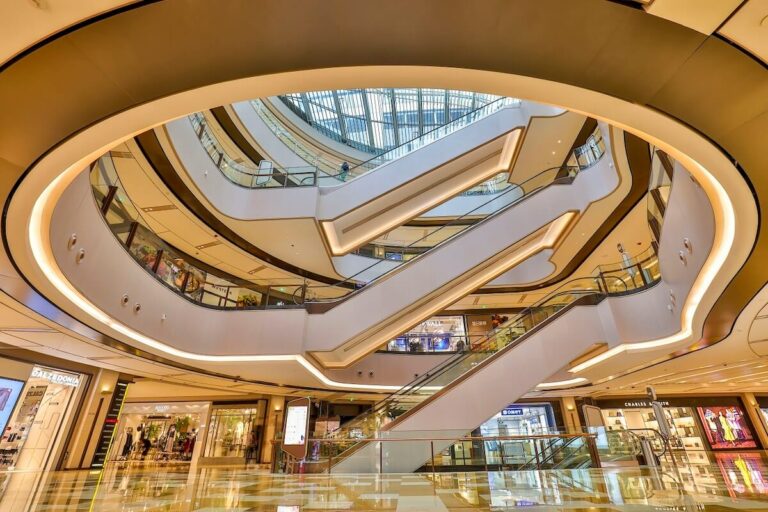
NikeSKIMS, Birkenstock and Starbucks Reserve chose HKRI Taikoo Hui for major China debuts. Why the Shanghai complex keeps winning new…
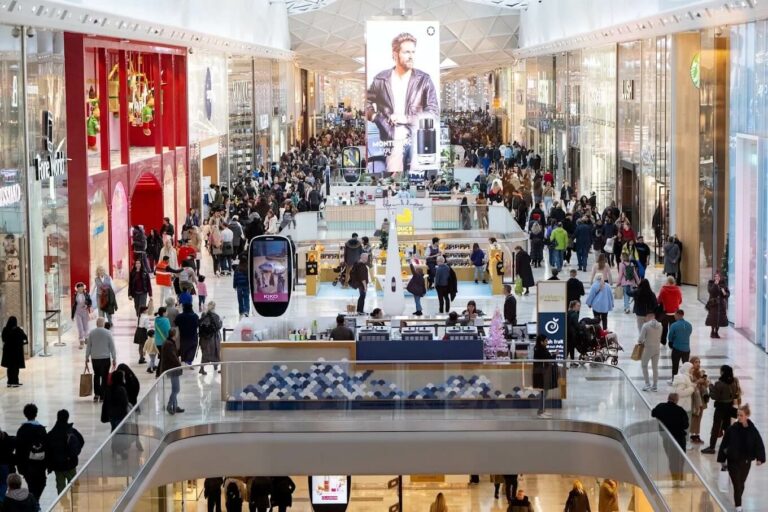
Bluewater opens its first new anchor since 1999. Next takes the former House of Fraser space with about 132,000 square…
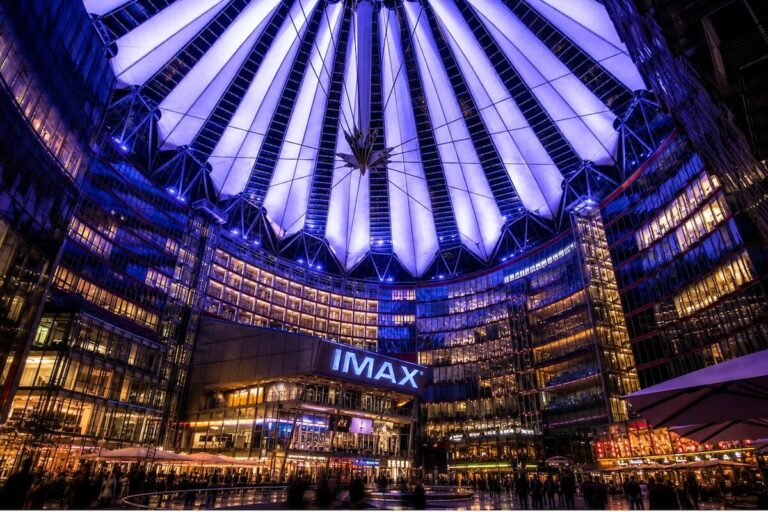
Opening in IMAX 70mm on July 17, 2026: Christopher Nolan's The Odyssey. Select shows went on sale one year in…

European retail is scaling AI, agentic commerce and retail media, but consumer trust is becoming the constraint. Four structural shifts…
Mall operators are no longer leasing space for pop-ups. They are selling audience access.
