

Europe is experiencing a second wave of virus spread: more and more countries are putting themselves on further lockdown.
Europe is experiencing a second wave of virus spread: the Czech Republic, Slovakia, and Ireland, are being heavily quarantined by other countries, including Germany and France. All catering establishments and cinemas and other entertainment operators have closed again until November 2. Stores will face restrictions, and residents are forbidden from entering the company for more than ten days. It is reportedly expected that the quarantine will be valid for at least a month.
In France, new restrictions on businesses and the movement of citizens will take effect from October 30. They will be in force until at least December 1. Throughout the country, cafes, bars, restaurants, and stores on the list of profiles are closed.
The state authorities note that the situation in the country is critical. Still, schools and kindergartens are left to work, and students are transferred to distance learning. At the same time, France again introduced a self-isolation regime: residents are forbidden to be further than 1 km from home. The total time of walks should not exceed 1 hour. Exit passes have been introduced all over the country.
Affected by the introduction of re-quarantine enterprises, trade, services, and catering will receive support from the state. According to French President Emmanuel Macron, small businesses will be able to count on the compensation of up to 10,000 euros – and unemployed employees – on state unemployment benefits.
The Czech authorities imposed a new, strict quarantine on the country, closing down non-food stores, catering establishments, and cultural and entertainment facilities. Also, residents were prohibited from moving within the country and were advised to limit their time on the street. The first country in Europe to have returned from lockdown was Ireland.
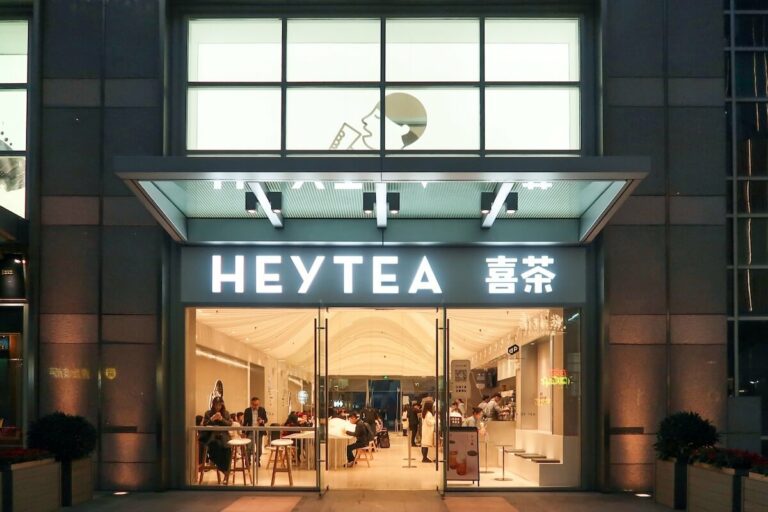
Miss A, Rowan and HEYTEA are on US mall opening lists in fall 2026. Their public records show what each…
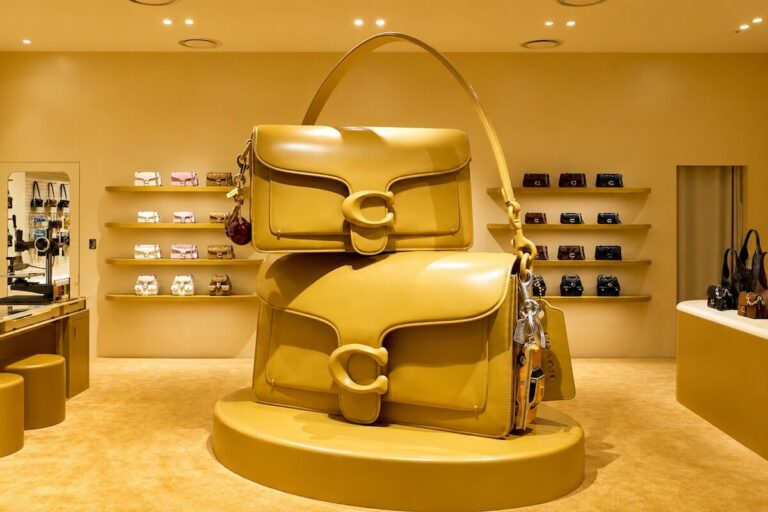
Gross margins and selected profit metrics for Coach, Pop Mart, lululemon, Miniso, Five Below, TJX and Costco, plus where each…
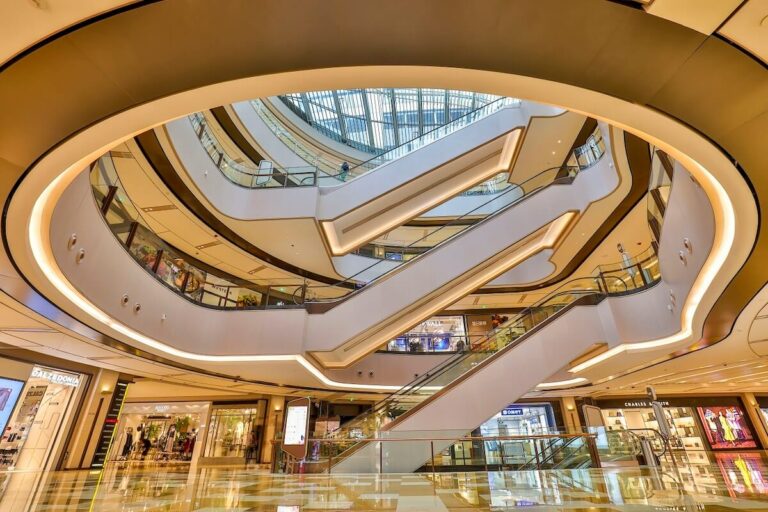
NikeSKIMS, Birkenstock and Starbucks Reserve chose HKRI Taikoo Hui for major China debuts. Why the Shanghai complex keeps winning new…
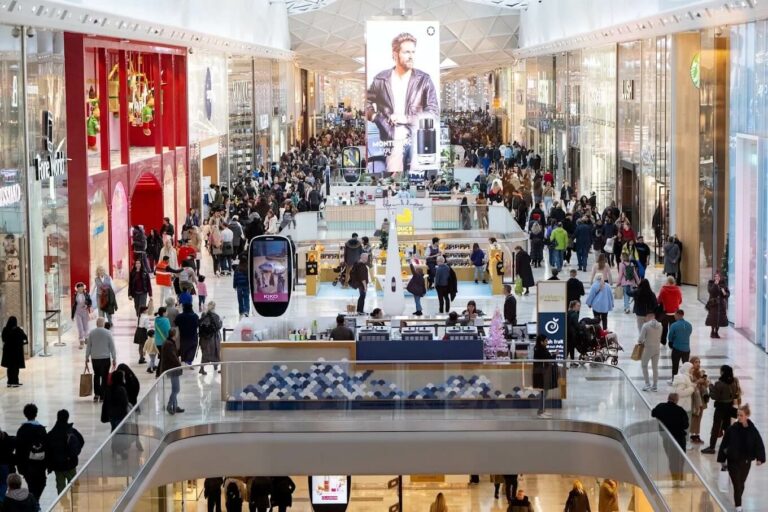
Bluewater opens its first new anchor since 1999. Next takes the former House of Fraser space with about 132,000 square…

Opening in IMAX 70mm on July 17, 2026: Christopher Nolan's The Odyssey. Select shows went on sale one year in…

European retail is scaling AI, agentic commerce and retail media, but consumer trust is becoming the constraint. Four structural shifts…
