

The deal could amount to more than $3 billion.
American multinational cosmetics company Estee Lauder, a manufacturer and marketer of makeup, skincare, fragrance and hair care, is considering the purchase of the fashion house Tom Ford. According to The Wall Street Journal, the deal could amount to more than $3 billion. Goldman Sachs investment bank acts as a consulter.
Based in New York, Estee Lauder is one of the biggest players in the world in the sale of perfumes, cosmetics and care products. The portfolio of the beauty-giant includes MAC, Clinique, La Mer, Aveda, Jo Malone, Aramis and other major brands.
Since 2005 Estee Lauder has a license agreement with Tom Ford, under which produces and distributes a full collection of perfumes and cosmetics products for the fashion house.
Analysts point out that for Estee Lauder, which today is estimated at nearly 100 billion dollars, the purchase of the fashion house is more than realistic. However, there are other major players in the market who are interested in the Tom Ford business. In the medium term, the number of such transactions in the market is expected to grow with the further recovery of global sales in the segment of perfumes and cosmetics.
Estee Lauder finished last year with a drop in sales of 26%. The company attributed the weak financial results to the effects of the pandemic and restrictions. The company’s most recent acquisitions were the acquire of Korean brand Have & Be Co. in 2019 and a deal to buy part of Deciem Inc.’s Canadian business in 2021.
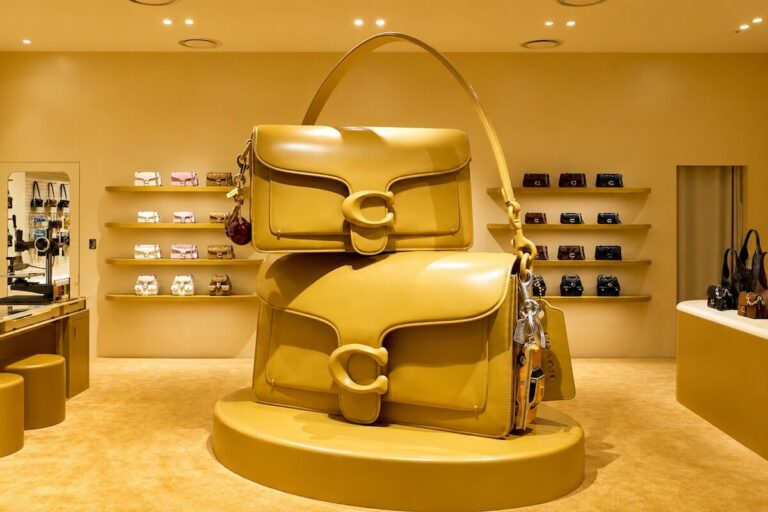
Gross margins and selected profit metrics for Coach, Pop Mart, lululemon, Miniso, Five Below, TJX and Costco, plus where each…
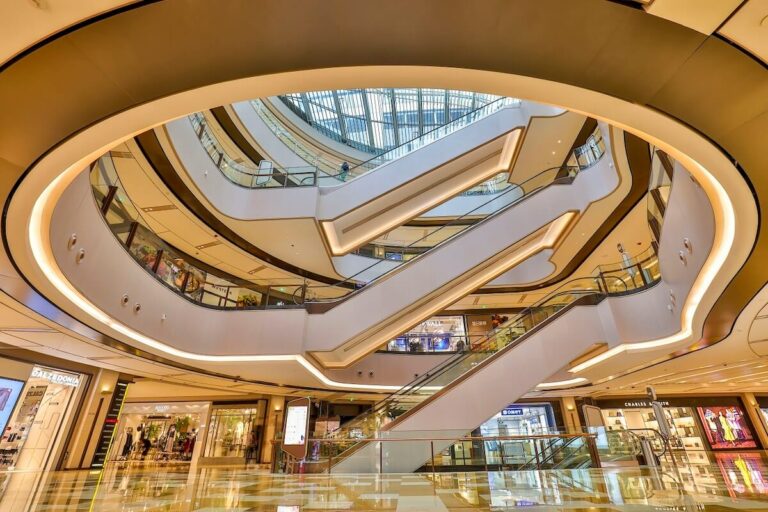
NikeSKIMS, Birkenstock and Starbucks Reserve chose HKRI Taikoo Hui for major China debuts. Why the Shanghai complex keeps winning new…
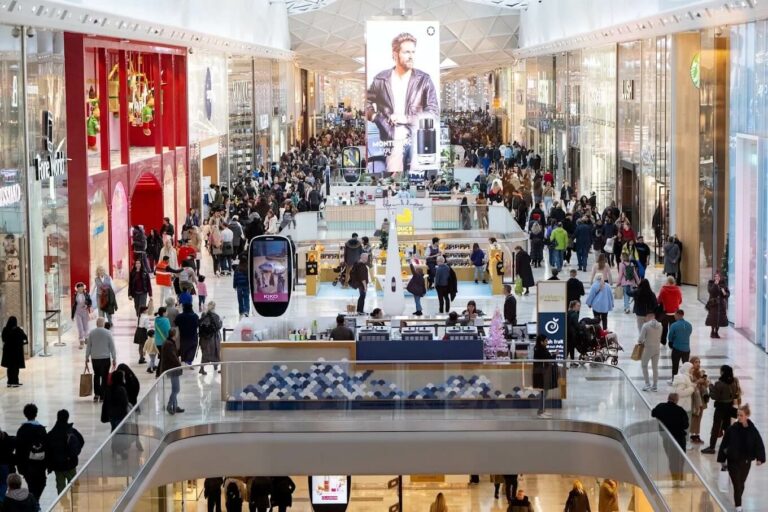
Bluewater opens its first new anchor since 1999. Next takes the former House of Fraser space with about 132,000 square…

Opening in IMAX 70mm on July 17, 2026: Christopher Nolan's The Odyssey. Select shows went on sale one year in…

European retail is scaling AI, agentic commerce and retail media, but consumer trust is becoming the constraint. Four structural shifts…

Mall operators are no longer leasing space for pop-ups. They are selling audience access.
