
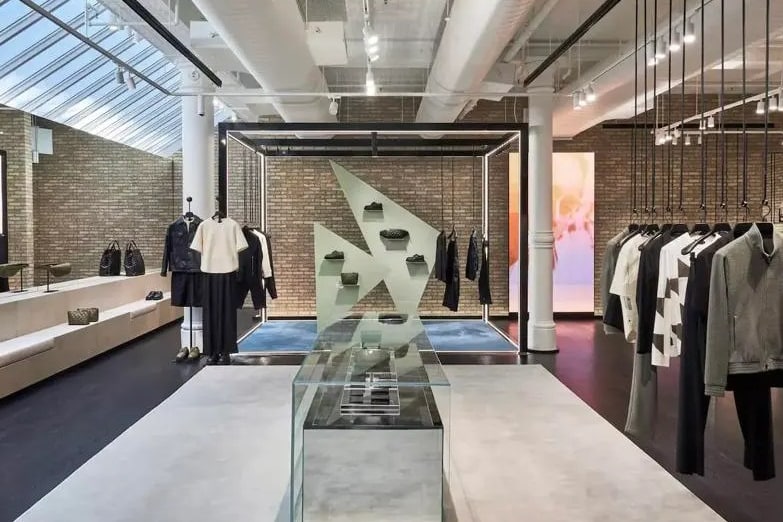
The store is located on Spring Street, surrounded by art galleries, Soho-style architecture and luxury boutiques of global brands.
Italian brand Emporio Armani officially unveiled its new store in Soho in late July. The outlet is located on Spring Street, surrounded by art galleries, Soho-style architecture and luxury boutiques of global brands.
For Giorgio Armani, which celebrated its 89th birthday this year, it continues to be one of the busiest years on record. The brand has previously partnered with Bagatelle, a Mediterranean restaurant in St. Tropez, and the Burj Khalifa Hotel in Dubai. The return to Soho is certainly another milestone for the brand.
“To me, Soho represents the very essence of New York, the relentless energy of the city that never sleeps and is constantly reinventing itself. A city on the rise once again after a few tough years. It is here, in the most authentic downtown, that style, ideas and creativity are born and intertwined, with an immediacy that is mirrored in its unmistakable architecture, now firmly etched into the collective imagination,” said Giorgio Armani.
The store is housed in a 20th-century building. The only Emporio Armani flagship in New York City has over 4,000 square feet of space. The store’s interior features dark oak floors, brick walls and a metal ceiling.
The centerpiece of the new retail space houses the fashion brand’s men’s and women’s apparel collections. The assortment is complemented by eyewear, watch and jewelry collections.
Emporio Armani is a high-end fashion brand founded by Italian fashion designer Giorgio Armani. It is a subsidiary line under the larger Armani brand, catering to a younger and more casual audience than the main Giorgio Armani line. Emporio Armani was launched in 1981 and quickly gained recognition for its modern and stylish designs.
The brand’s offerings include various fashion and lifestyle products, such as clothing, accessories, eyewear, watches, jewelry, fragrances, and even home interiors. Emporio Armani is known for its contemporary and urban-inspired designs, combining elegance with a touch of edginess.
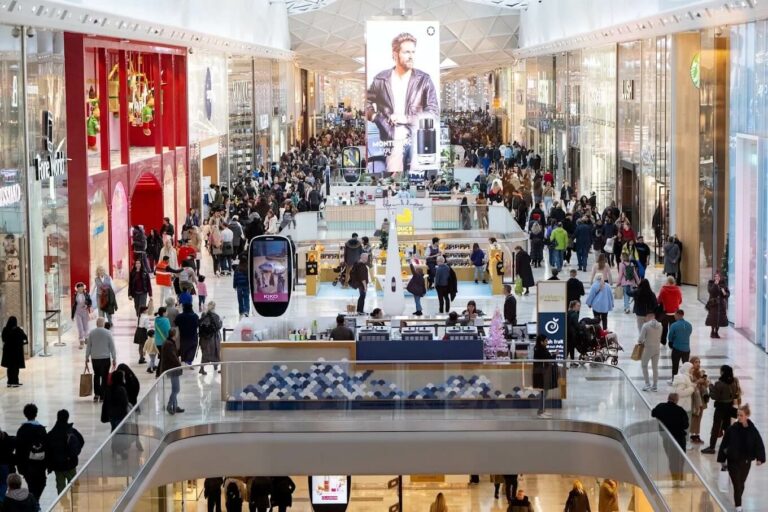
Bluewater opens its first new anchor since 1999. Next takes the former House of Fraser space with about 132,000 square…
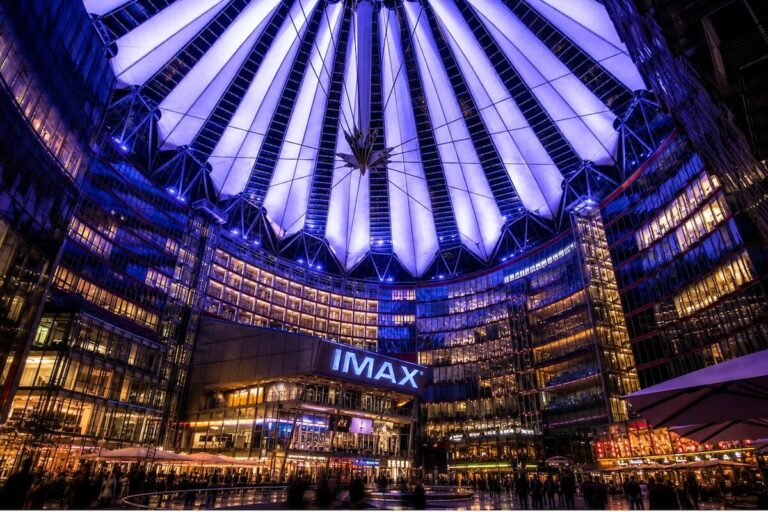
Opening in IMAX 70mm on July 17, 2026: Christopher Nolan's The Odyssey. Select shows went on sale one year in…

European retail is scaling AI, agentic commerce and retail media, but consumer trust is becoming the constraint. Four structural shifts…
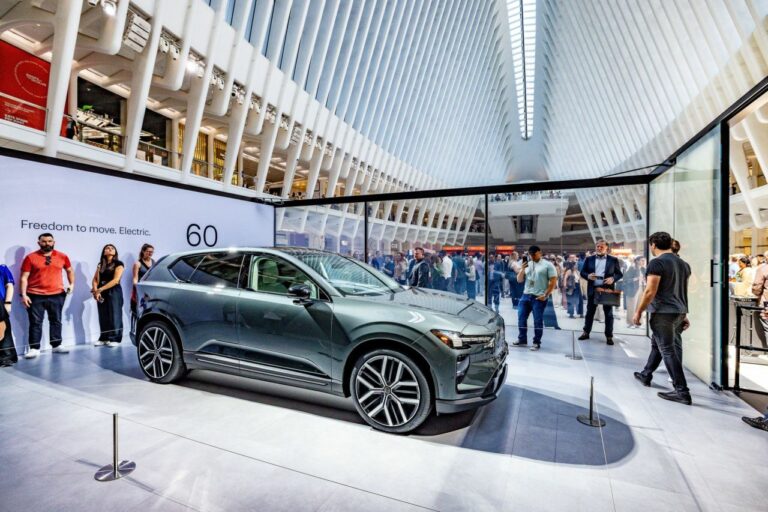
Mall operators are no longer leasing space for pop-ups. They are selling audience access.
Physical stores still drive most retail sales, fulfill online orders, support AI shopping, and help brands return to market.
A practical guide to nine mall tenant formats in 2026, from flagships and pop-ups to anchor redevelopment and mixed-use retail.
Verified signals on brand expansion, store openings, and mall development. Free.
Free · No credit card · Unsubscribe any time
