
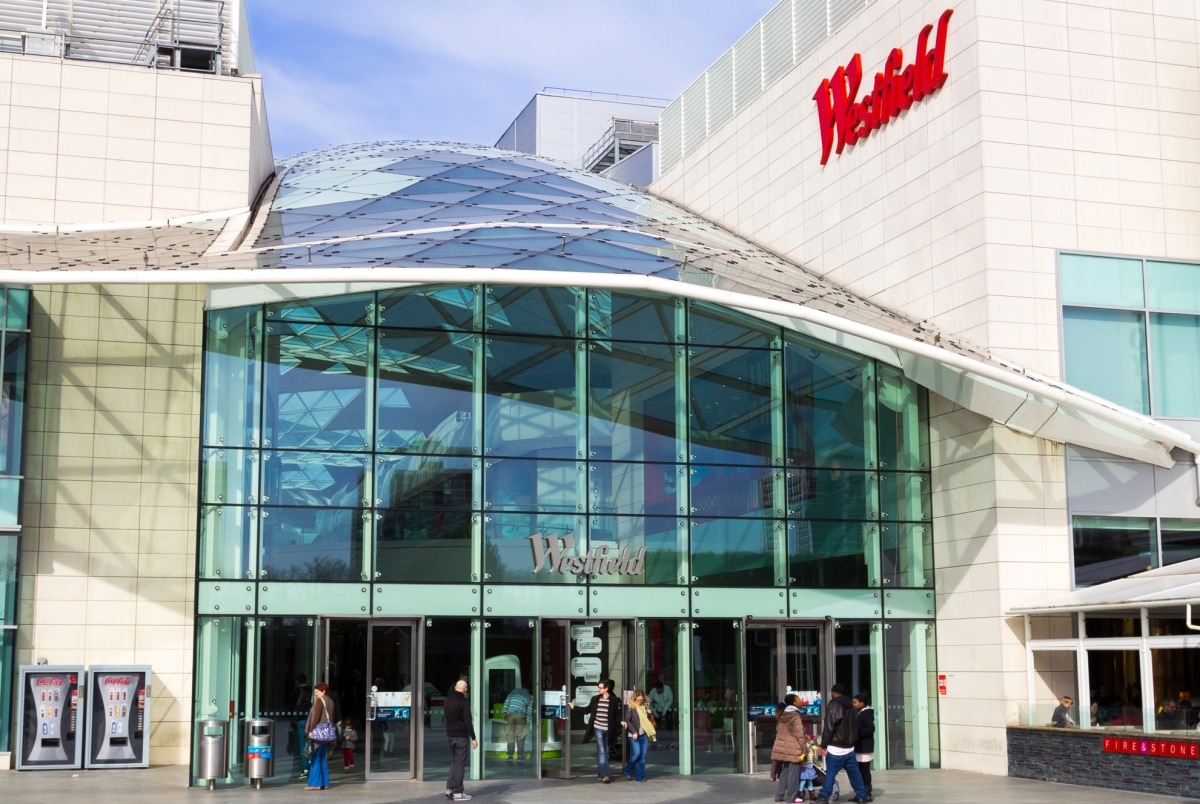
The company made the difficult decision to turn over the keys to the mall to its lender.
San Francisco Centre will change ownership after nearly twenty years under Unibail-Rodamco-Westfield. Amid declining customer traffic and falling revenues, the company made the difficult decision to turn over the keys to the mall to its lender.
“Given the challenging operating conditions in downtown San Francisco, which have led to declines in sales, occupancy and foot traffic, we have made the difficult decision to begin the process of transferring management of the shopping center to our lender to allow them to appoint a receiver to operate the property going forward,” according to the statement. The company also said the action does not impact the rest of URW’s debt.
Earlier it was reported that sales at the San Francisco Center dropped from $455 million to $298 million for the year. By comparison, revenues at Westfield’s Valley Fair, next door, were up 66 percent and the flagship U.S. mall was up 23 percent.
As for the San Francisco Centre, the mall’s foot traffic dropped 43% over the year, from 9.7 million to 5.6 million people. Occupancy declined 55%, due to the closure of large Nordstrom and Banana Republic stores. The average occupancy rate at the company’s other malls is 93%.
Westfield said in a statement that it has “invested significantly in the viability of the facility over the past 20 years of operating the San Francisco Centre.”
According to market sources, Nordstrom and Westfield had considered exiting downtown San Francisco even before the pandemic. Market dynamics have changed significantly over the past few years, affecting foot traffic and the ability of retailers to succeed.
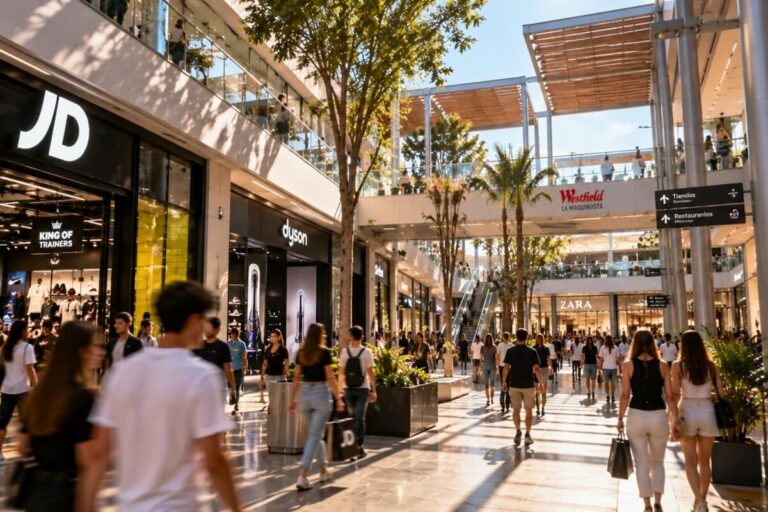
The vendors and deployments behind shopping advice, store navigation and retail operations, with a closer look at what it takes…
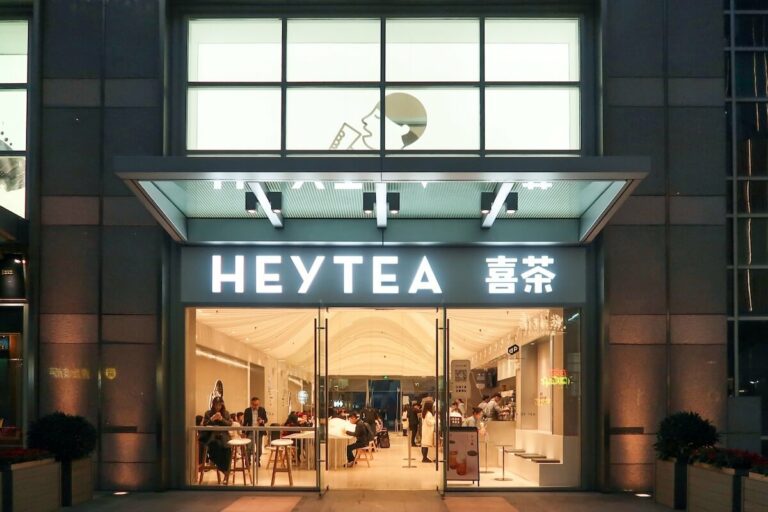
Miss A, Rowan and HEYTEA are on US mall opening lists in fall 2026. Their public records show what each…
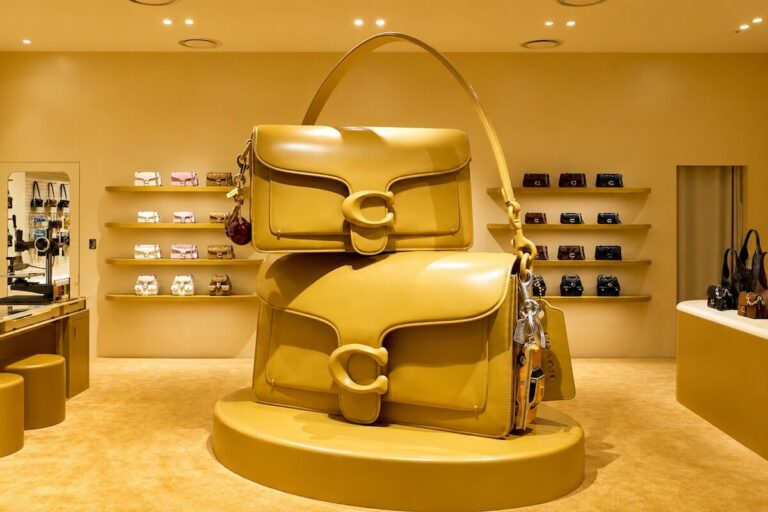
Gross margins and selected profit metrics for Coach, Pop Mart, lululemon, Miniso, Five Below, TJX and Costco, plus where each…
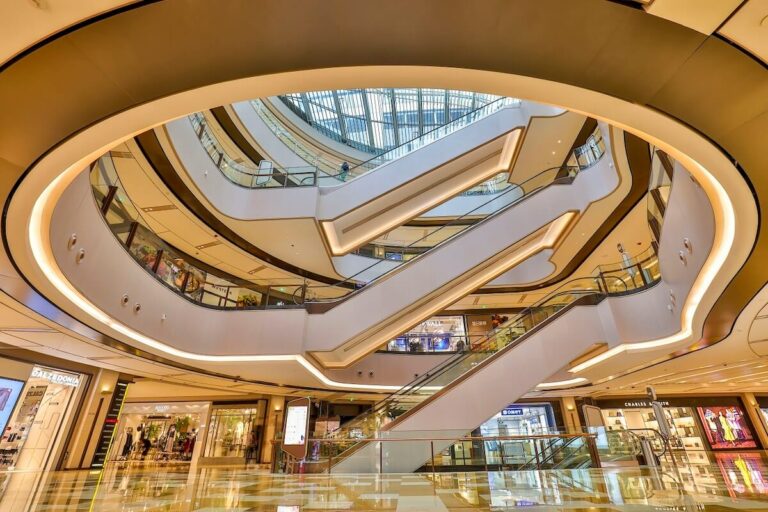
NikeSKIMS, Birkenstock and Starbucks Reserve chose HKRI Taikoo Hui for major China debuts. Why the Shanghai complex keeps winning new…
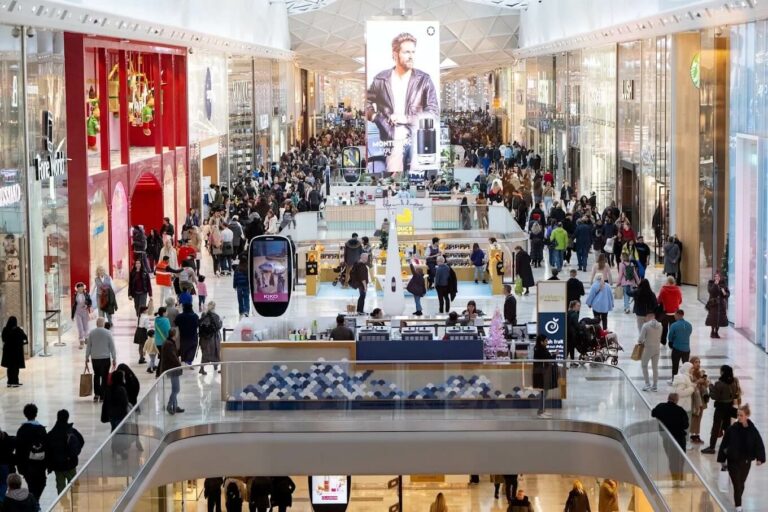
Bluewater opens its first new anchor since 1999. Next takes the former House of Fraser space with about 132,000 square…
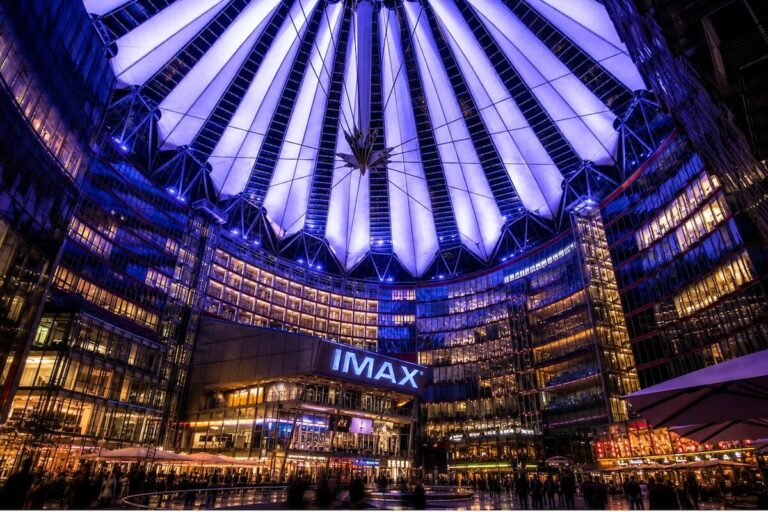
Opening in IMAX 70mm on July 17, 2026: Christopher Nolan's The Odyssey. Select shows went on sale one year in…
