

Walmart has announced a partnership with Shopify, a platform dedicated to creating tools for online store management.
The agreement will allow Walmart to add 1,200 Shopify merchants to its marketplace by the end of this year. Thanks to this, Walmart.com visitors will have an even wider range of products available. In other words, the company is becoming more and more aggressive in the field of e-commerce, “stepping on the heels” of Amazon.
“This integration will allow proven Shopify merchants to seamlessly place their products on Walmart.com, giving Walmart customers access to a wider range of products,” said Jeff Clements, vice president of Walmart Marketing, commenting on the event. He said working in this area has become a “strategic priority” for the company.
The news of the start of a partnership with Walmart has led to an increase in the value of Shopify shares by 5%.
In recent years, Walmart has taken several steps and made a number of acquisitions related to the development of e-commerce businesses, including website redesigns and the purchase of brands such as Bonobos and Modcloth. Most recently, a deal was also announced with ThredUp, a clothing resale project.
As a result, Walmart’s online sales grew by 74% last quarter compared with last year. At the same time, sales from third-party manufacturers exceeded the volume of product sales that the company is engaged in independently.
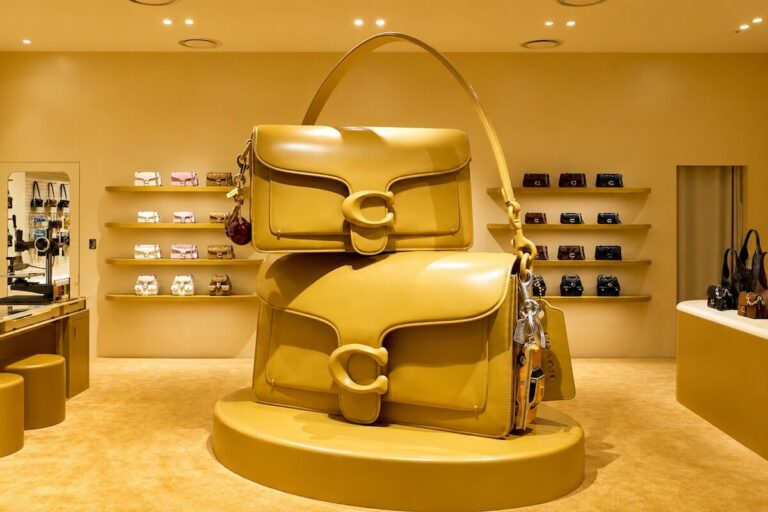
Gross margins and selected profit metrics for Coach, Pop Mart, lululemon, Miniso, Five Below, TJX and Costco, plus where each…
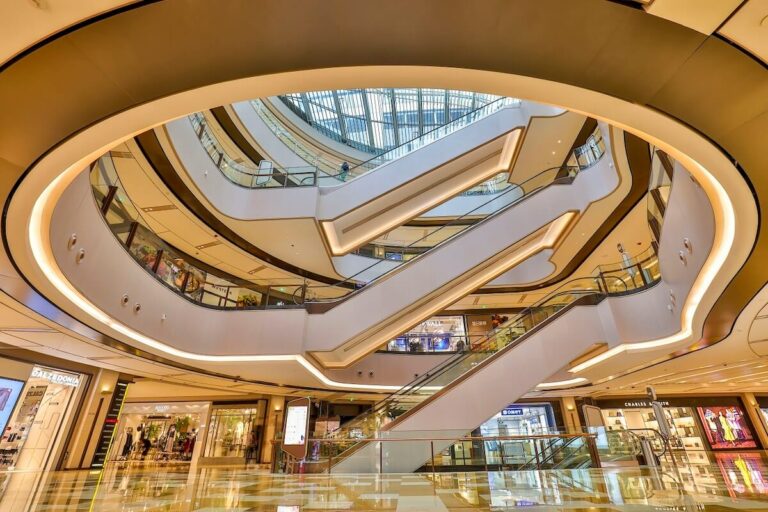
NikeSKIMS, Birkenstock and Starbucks Reserve chose HKRI Taikoo Hui for major China debuts. Why the Shanghai complex keeps winning new…
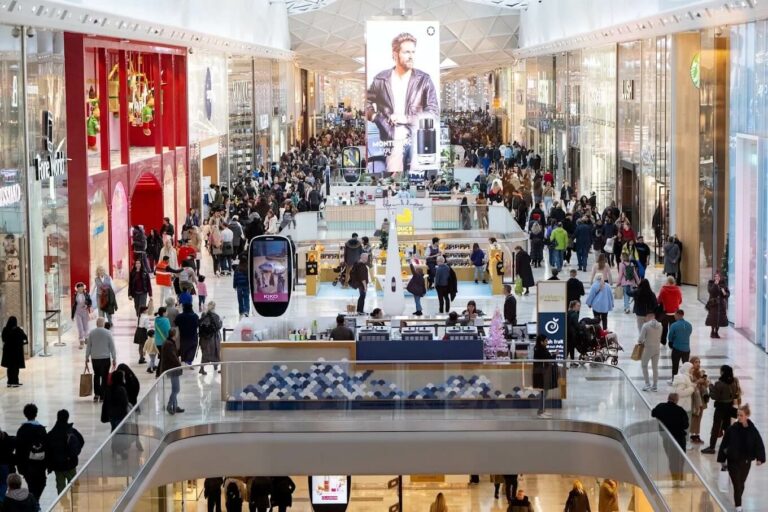
Bluewater opens its first new anchor since 1999. Next takes the former House of Fraser space with about 132,000 square…

Opening in IMAX 70mm on July 17, 2026: Christopher Nolan's The Odyssey. Select shows went on sale one year in…

European retail is scaling AI, agentic commerce and retail media, but consumer trust is becoming the constraint. Four structural shifts…

Mall operators are no longer leasing space for pop-ups. They are selling audience access.
