

Amid Britain’s anticipated exit from the EU, the country is expected to see an increased consumer buying frenzy for food and medicine.
The protracted negotiations may lead to the country’s exit without any deals (no-deal). And amid recent ministerial statements, the likelihood of such an outcome is very high. Consumers, who fear economic hardship, may rush to the stores en masse, leaving many essential goods in short supply.
In other words, it could repeat the situation that occurred during the beginning of the coronavirus pandemic, when people massively bought up “strategic stocks” of food, medicine, and toilet paper. Against this background, the Ministry of Health, according to a report in the Sunday Times, has advised pharmacies and medical equipment suppliers to start stocking up for a few weeks. It is reported that the country has sufficient stocks of fruit and meat, there is no need to fear disruption, but there may be difficulties with vegetables.
Britain left the EU this year, and until December 31, the country is in a transitional period, respecting the old standards. However, the parties need to urgently agree on the terms of a new partnership and conclude a trade agreement. But although negotiations have been going on for quite an extended period, no agreement has been reached yet. With a high degree of probability, this can become the cause of disruptions in the supply of essential goods.
Photo credit: depositphotos.com.
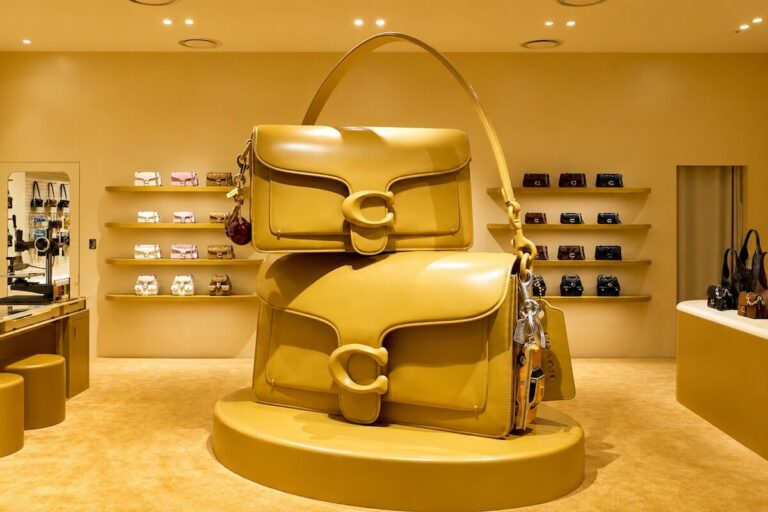
Gross margins and selected profit metrics for Coach, Pop Mart, lululemon, Miniso, Five Below, TJX and Costco, plus where each…
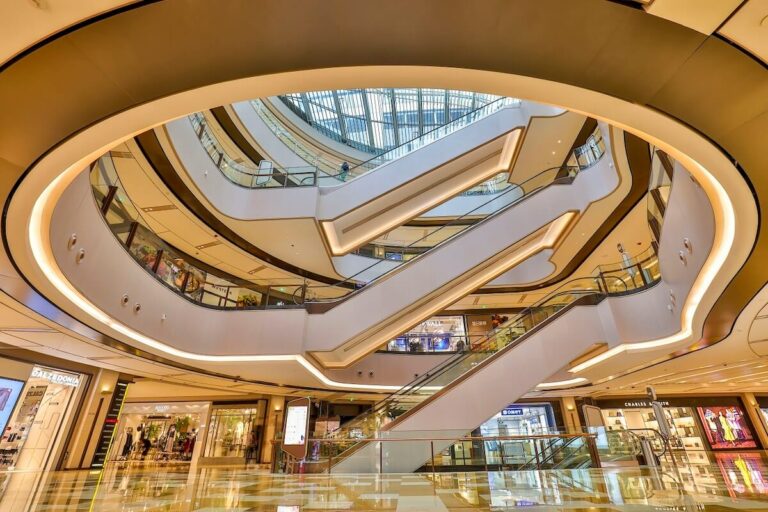
NikeSKIMS, Birkenstock and Starbucks Reserve chose HKRI Taikoo Hui for major China debuts. Why the Shanghai complex keeps winning new…
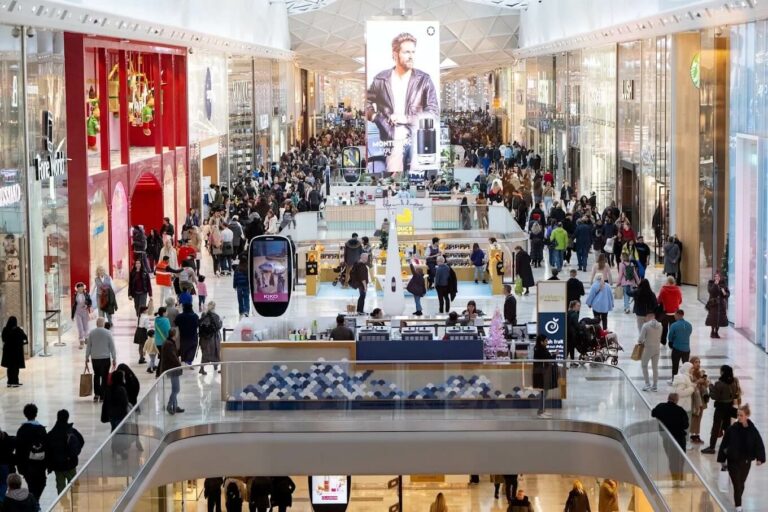
Bluewater opens its first new anchor since 1999. Next takes the former House of Fraser space with about 132,000 square…

Opening in IMAX 70mm on July 17, 2026: Christopher Nolan's The Odyssey. Select shows went on sale one year in…

European retail is scaling AI, agentic commerce and retail media, but consumer trust is becoming the constraint. Four structural shifts…

Mall operators are no longer leasing space for pop-ups. They are selling audience access.
