
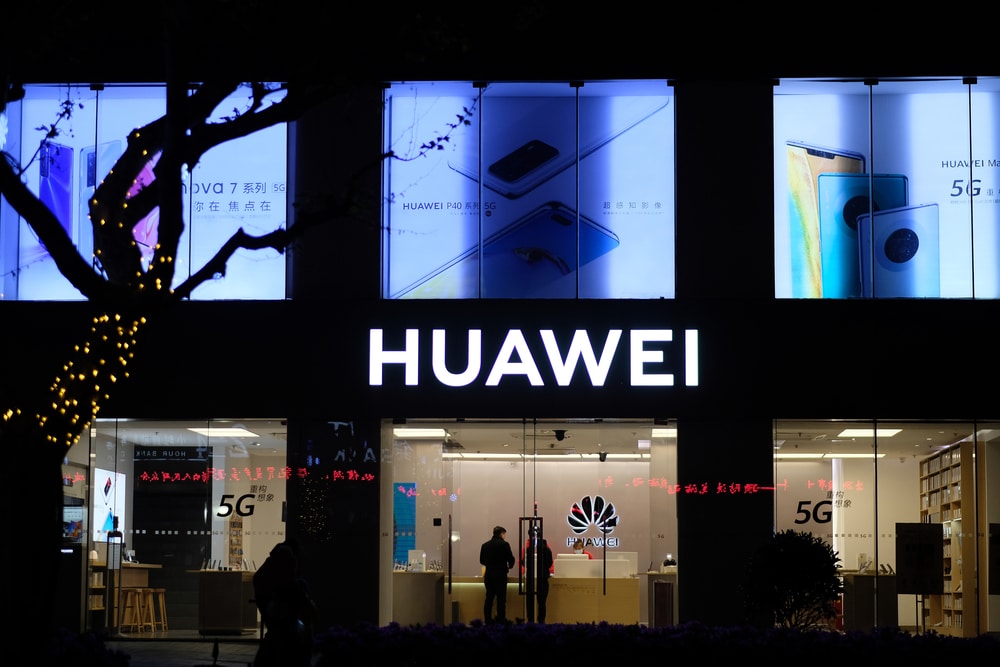
The company decided to sell the youthful smartphone brand due to Huawei’s difficulties due to the U.S. government’s sanctions imposed on the company.
The difficulties began in 2019 when the Chinese manufacturer was suspected of spying for China. As a result, Huawei was blacklisted and lost the opportunity to purchase equipment and components in the U.S., where it is challenging to manufacture mobile devices. There were also difficulties with the software. The sale of Honor has become a forced step necessary for the survival of the company.
Huawei revealed plans to sell the Honor trademark at the end of October. The names of potential buyers included Xiaomi and TCL. On November 10, it was reported that the brand was eventually sold, but the buyer was never named.
By the time the sale was officially confirmed, the buyer was Shenzhen Zhixin New Information Technology, a Chinese company. Huawei will not hold any shares and will not take any part in the further management of Honor after the deal. The deal’s value has not been named, but earlier in the year, the network rumored that the famous brand was valued at $15.2 billion.
The history of Honor began in 2013. The brand initially relied on the youth market, under which it produced devices in the initial and average price range. Over the past seven years, Honor has become a smartphone brand that annually supplies more than 70 million devices in countries worldwide.
Gross margins and selected profit metrics for Coach, Pop Mart, lululemon, Miniso, Five Below, TJX and Costco, plus where each…
NikeSKIMS, Birkenstock and Starbucks Reserve chose HKRI Taikoo Hui for major China debuts. Why the Shanghai complex keeps winning new…
Bluewater opens its first new anchor since 1999. Next takes the former House of Fraser space with about 132,000 square…
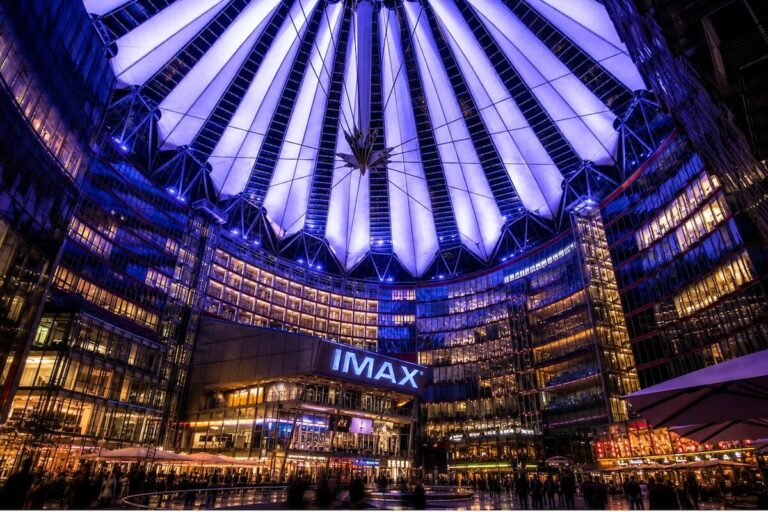
Opening in IMAX 70mm on July 17, 2026: Christopher Nolan's The Odyssey. Select shows went on sale one year in…

European retail is scaling AI, agentic commerce and retail media, but consumer trust is becoming the constraint. Four structural shifts…
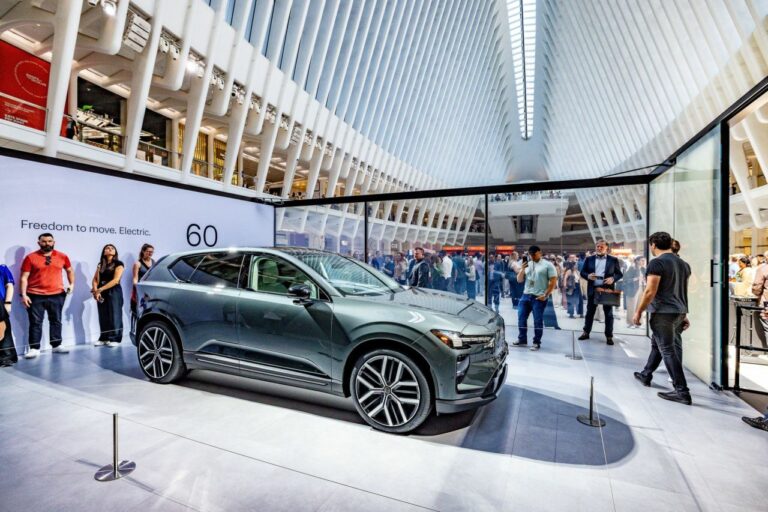
Mall operators are no longer leasing space for pop-ups. They are selling audience access.
