
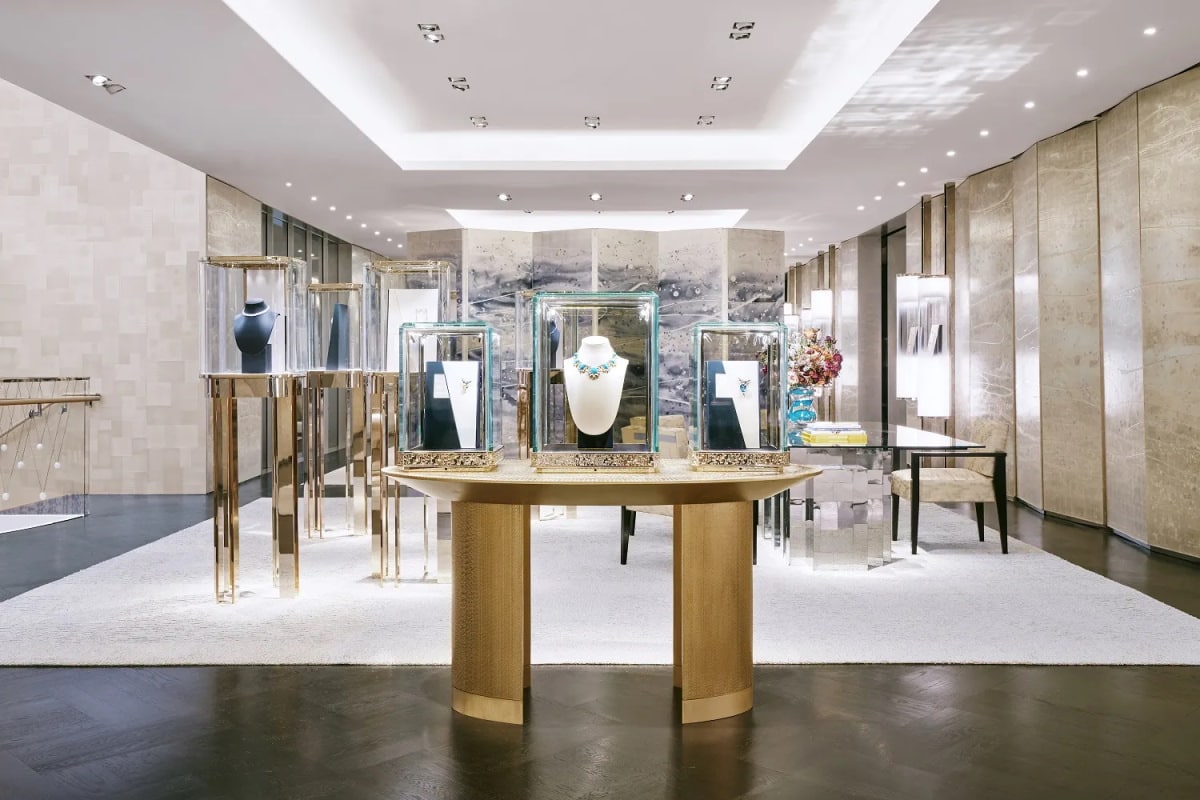
Tiffany plans to halve store size in response to market conditions.
The move reflects the increasingly challenging environment for global luxury brands in China, wh ere an economic slowdown and a property market slump have made consumers more price-sensitive. Many shoppers are seeking bargains in the gray market or traveling overseas to purchase luxury goods in markets like Japan, where currency rates are more favorable.
Impact on LVMH’s performance
LVMH’s watches and jewelry segment, which includes Tiffany, saw a 3% decline in revenue in the first half of this year compared to the same period last year, marking it as one of the company’s worst-performing sectors. Profit from recurring operations in this segment also fell by 19%.
In light of the downturn, Tiffany has reportedly requested a rent reduction from its landlord, Lai Fung, for its Shanghai flagship store. Despite the downsizing, the store will retain its Blue Box Café, Tiffany’s first in China and third globally, which will continue to operate in the remaining space.
Missed sales targets and Internal challenges
Since its acquisition by LVMH in 2021, Tiffany has struggled to meet the ambitious sales targets set by the luxury conglomerate. The brand has also faced internal challenges, including employee departures due to lower commissions, with some staff moving to competitors and taking loyal clients with them, as reported by Bloomberg earlier this year.
Gross margins and selected profit metrics for Coach, Pop Mart, lululemon, Miniso, Five Below, TJX and Costco, plus where each…
NikeSKIMS, Birkenstock and Starbucks Reserve chose HKRI Taikoo Hui for major China debuts. Why the Shanghai complex keeps winning new…
Bluewater opens its first new anchor since 1999. Next takes the former House of Fraser space with about 132,000 square…
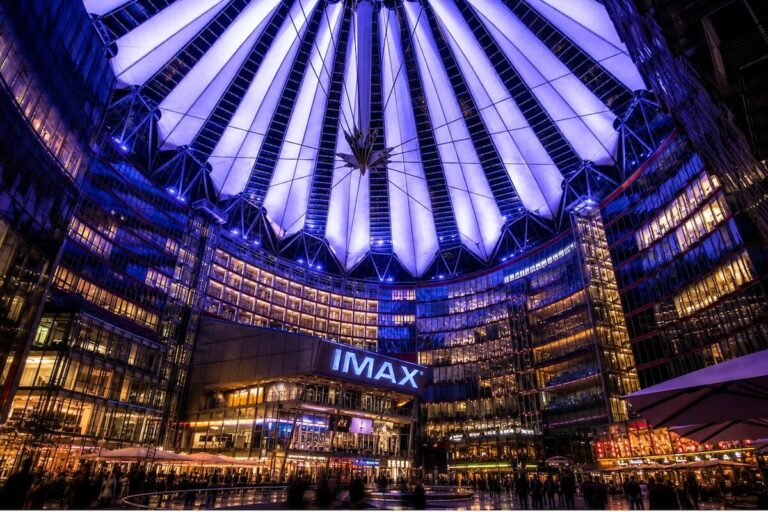
Opening in IMAX 70mm on July 17, 2026: Christopher Nolan's The Odyssey. Select shows went on sale one year in…

European retail is scaling AI, agentic commerce and retail media, but consumer trust is becoming the constraint. Four structural shifts…

Mall operators are no longer leasing space for pop-ups. They are selling audience access.
