
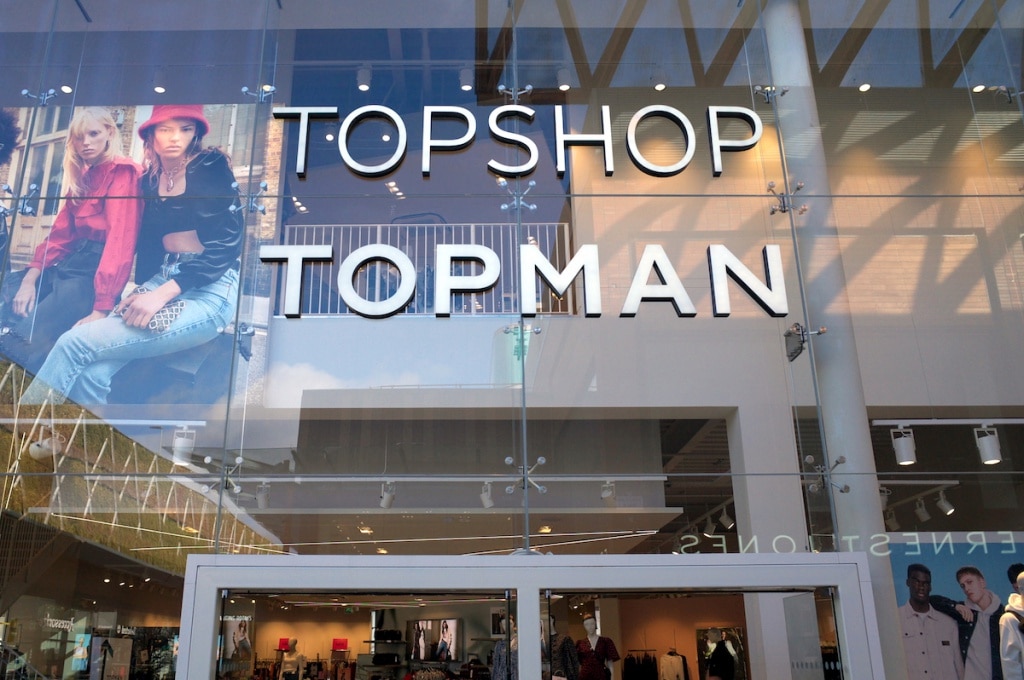
Even before the pandemic, the company experienced financial difficulties. A weak online presence and reliance on physical stores only aggravated the situation.
British retailer Arcadia, owner of brands Topshop, Miss Selfridge, Burton, Dorothy Perkins, and others, filed for bankruptcy to not meet the demands of creditors. The continued existence of the brands themselves and the jobs of 13,000 employees are at risk.
Arcadia’s main reason for this difficult situation was the pandemic’s negative impact when most physical stores were forced to close. However, it is reported that even before, this situation was quite difficult for the retailer, and the crisis only aggravated the situation. So, in June 2019, the company barely escaped bankruptcy, then it had to restructure its business and close about 50 stores.
In an interview with the BBC former director of Topshop Jane Shepherdson, one of the crucial prerequisites for Topshop’s crisis was that the leadership of Arcadia for a long time ignored the growth of online sales and did not invest in this industry. As a result, the brand was not ready because customers changed their habits during the quarantine and could not stay afloat.
Predicting developments, Jane Shepherdson hoped that Topshop would acquire a significant online business to make the famous brand a part of its portfolio. In this way, the brand is likely to survive and continue its development, even when most physical stores are closed.
Photo credit: depositphotos.com.
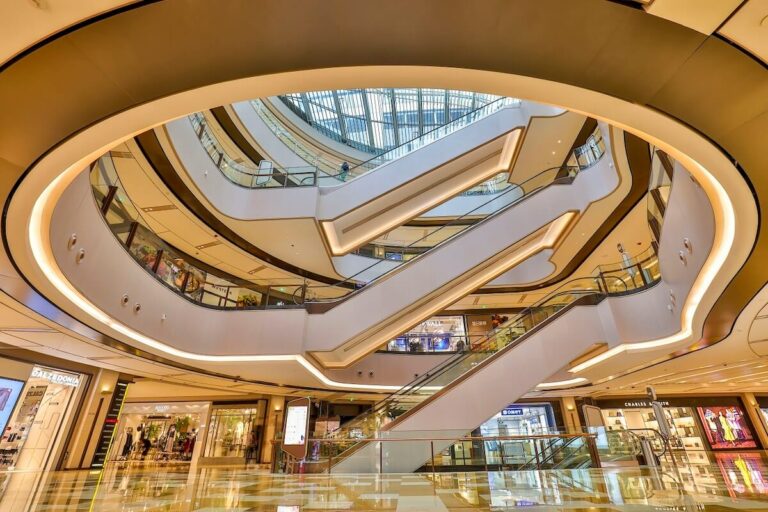
NikeSKIMS, Birkenstock and Starbucks Reserve chose HKRI Taikoo Hui for major China debuts. Why the Shanghai complex keeps winning new…
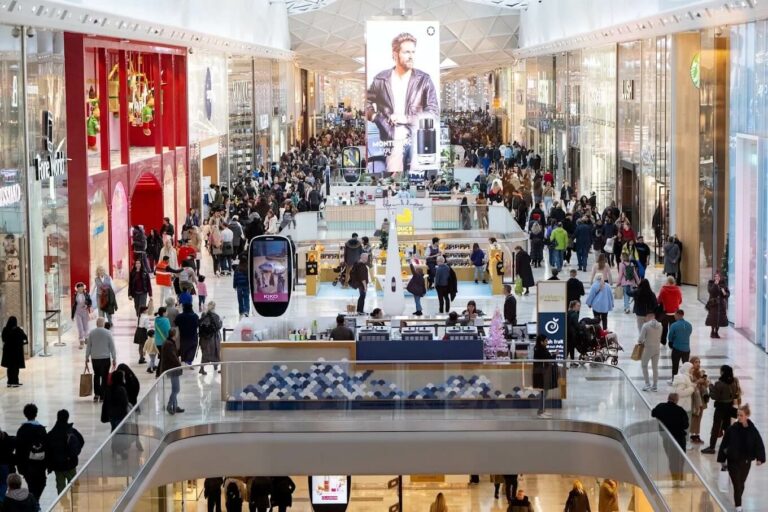
Bluewater opens its first new anchor since 1999. Next takes the former House of Fraser space with about 132,000 square…
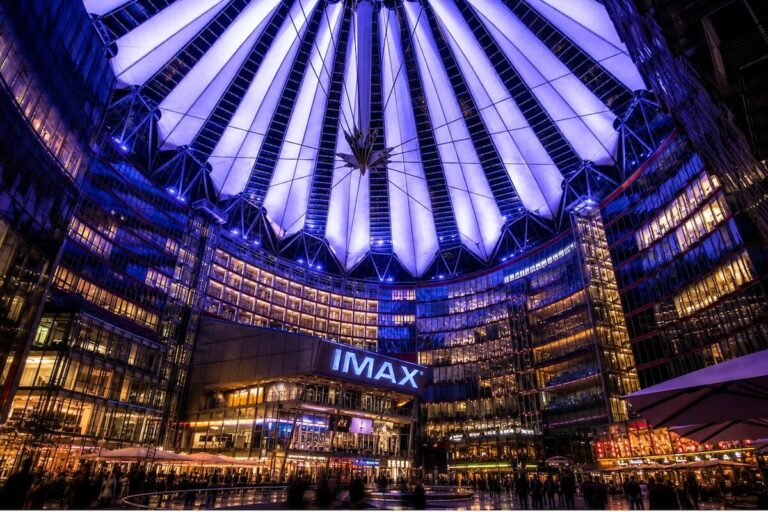
Opening in IMAX 70mm on July 17, 2026: Christopher Nolan's The Odyssey. Select shows went on sale one year in…
European retail is scaling AI, agentic commerce and retail media, but consumer trust is becoming the constraint. Four structural shifts…
Mall operators are no longer leasing space for pop-ups. They are selling audience access.
Physical stores still drive most retail sales, fulfill online orders, support AI shopping, and help brands return to market.
