
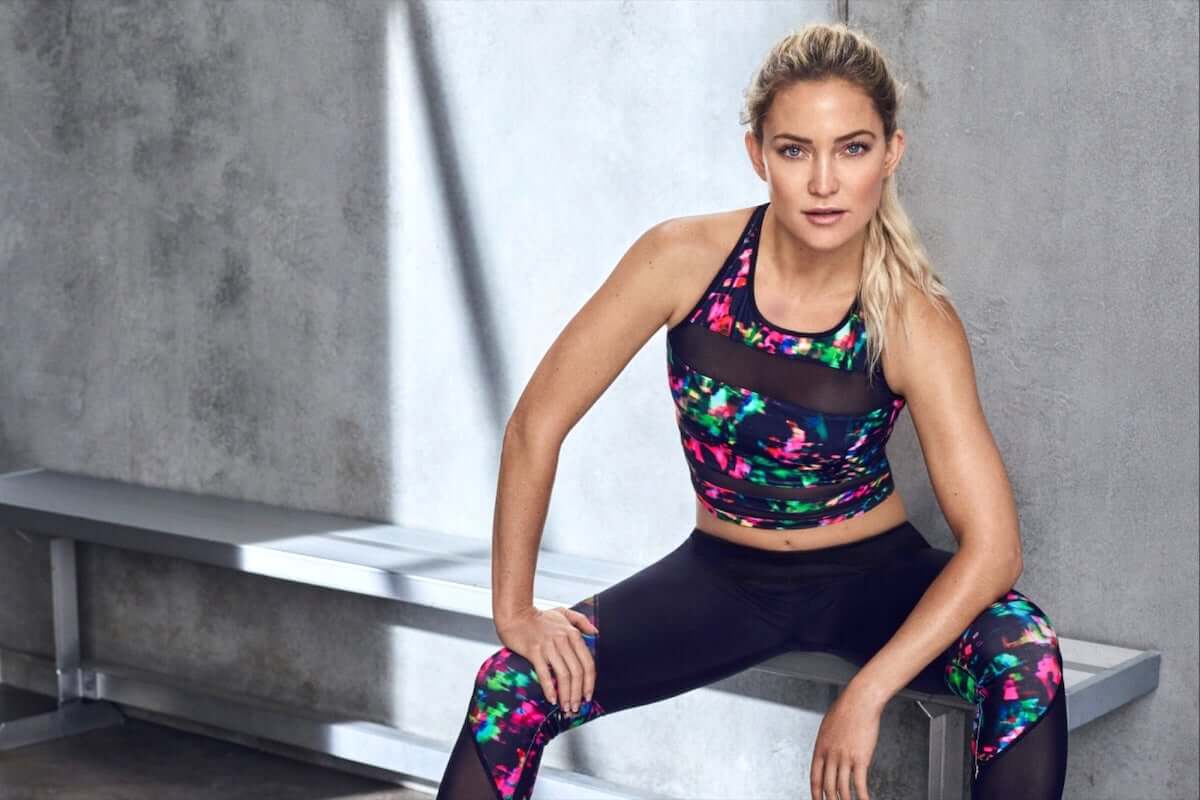
The tech-savvy sportswear brand is opening a new store in central London.
Fabletics, the women’s and men’s sportswear brand founded by actress Kate Hudson, Adam Goldenberg, and Don Ressler, has been making inroads into the U.S. and Western Europe. Fashion United reports the opening of a 220-square-meter flagship store in central London.
The retail space in the new Fabletics store has been designed with the brand’s digital roots in mind and a technology-driven approach to offer a seamless, multi-channel shopping experience. The two-level store provides a full range of men’s and women’s clothing and a particular outerwear line, products for cold weather, and clothing for outdoor activities. Store customers will have the ability to request a different size or color, check stock availability, and get advice from a consultant without leaving the fitting room.
In addition, all stores have touchscreen style guides to help customers decide, and iPod-based POS systems allow Fabletics employees to help customers shop online and arrange for items to be delivered to their door.
As of the end of 2021, Fabletics’ retail network includes 72 stores, most of which are located in the U.S. The company opened its first store in Europe last October in Berlin, followed by an experimental pop-up space in London. The company notes that the U.K. remains Europe’s largest market and an ideal ‘testing ground.’ In the coming years, the number of brand stores in the United Kingdom will be increased.
Gross margins and selected profit metrics for Coach, Pop Mart, lululemon, Miniso, Five Below, TJX and Costco, plus where each…
NikeSKIMS, Birkenstock and Starbucks Reserve chose HKRI Taikoo Hui for major China debuts. Why the Shanghai complex keeps winning new…
Bluewater opens its first new anchor since 1999. Next takes the former House of Fraser space with about 132,000 square…
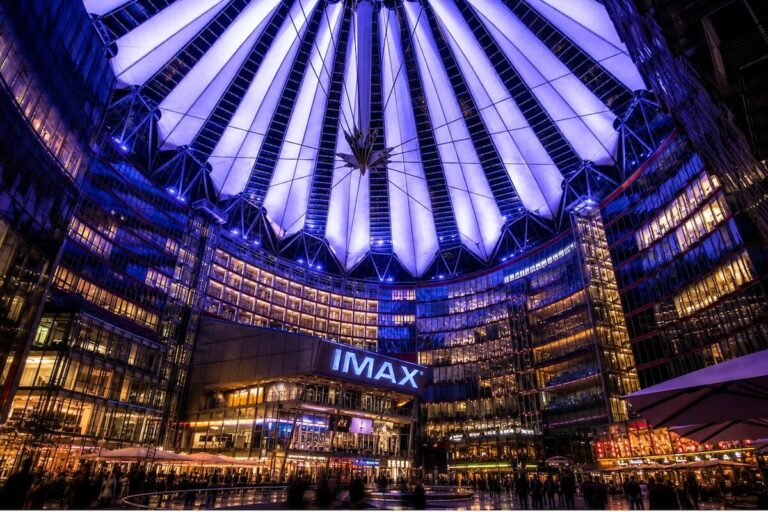
Opening in IMAX 70mm on July 17, 2026: Christopher Nolan's The Odyssey. Select shows went on sale one year in…

European retail is scaling AI, agentic commerce and retail media, but consumer trust is becoming the constraint. Four structural shifts…
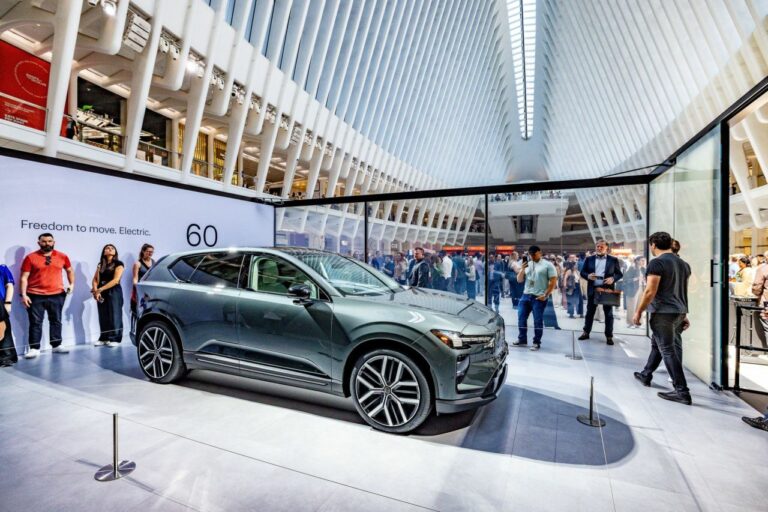
Mall operators are no longer leasing space for pop-ups. They are selling audience access.
