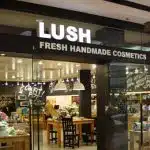
Lush remains independently owned and family-controlled. The British cosmetics brand was founded in 1995 in Poole, Dorset by Mark Constantine, his wife Mo, and partners, building on the earlier Cosmetics-To-Go brand. Headquartered in Poole, Lush operates approximately 900 stores in 49 countries and is consistently ranked among the most distinctive ethical retail brands globally for its stance on animal testing, plastic-free packaging, and politically active campaigning.
The brand’s product positioning centers on solid and naked formats: solid shampoo bars, package-free bath bombs, lotion bars, and refillable formats designed to eliminate plastic waste. In 2021, Lush implemented an Anti-Social Media policy and exited Facebook, Instagram, TikTok, and Snapchat over content harm concerns, returning selectively to platforms only where moderation policies meet brand standards. The decision cost the brand a significant social audience but reinforced its differentiated ethical positioning.
Lush stores typically run between 1,500 and 3,000 square feet and rely on heavy in-store theatre: live product demonstrations, scent-driven merchandising, and a service model centered on knowledgeable staff. The retail format works best in high-footfall mainline mall positions and high-street locations, with mall presence weighted toward Tier 1 regional centers and lifestyle developments rather than outlet or value formats. For mall operators, Lush is an experiential anchor in the beauty wing whose traffic-generation justifies premium positioning, particularly near department store entrances or in food-and-beverage clusters.
Verified signals on brand expansion, store openings, and mall development. Free.
Free · No credit card · Unsubscribe any time
Billed annually · View full comparison · Payment via invoice or PayPal