

The coffee chain joins other major companies that require social media users to review policies on discriminatory content.
As might be expected, after the boycott against Facebook and Instagram, which was called for by human rights organizations, was supported by the first significant company (in this case, it was The North Face), events began to develop on a domino basis. Giants such as Coca-Cola, Verizon, Levi’s, Patagonia and Unilever have joined the campaign.
Today it became known that Starbucks has, for an indefinite period, stopped the publication of advertising on social networks. According to Starbucks’ announcement, which was published on the company’s website, now is the time to unite to bring about real change.
The reason for the boycott is that the social network does not correctly moderate messages posted on its pages. As a result, there are often blatant calls for racial discrimination, attacks on socially vulnerable groups, and other forms of violence. Dissatisfaction with Facebook, which allows the appearance of such things, has been heard before. But the turning point was the mass protests that resulted in the death of African American George Floyd. Then the boycott of the social network was called for by influential human rights organizations, which were supported by major brands.
The total number of advertisers who have decided to suspend advertising on Facebook has already exceeded a hundred. And there is no doubt that their name will continue to overgrow. Such intense pressure has forced the leadership of the social network to make a statement that it will review its policy, and hate speech will be banned. Earlier in the Network was published a calculation of the publishing house Bloomberg, according to which the market value of Facebook has already decreased by 56 billion dollars, due to which the condition of its founder Mark Zuckerberg decreased by more than 7 billion.
Later, Fox News reported that PepsiCo, whose advertising budget is $2.6 billion, most of which was spent on social media promotion, is also joining the boycott. However, the company has not yet made an official announcement about its decision.
Photo: Depositphotos.com
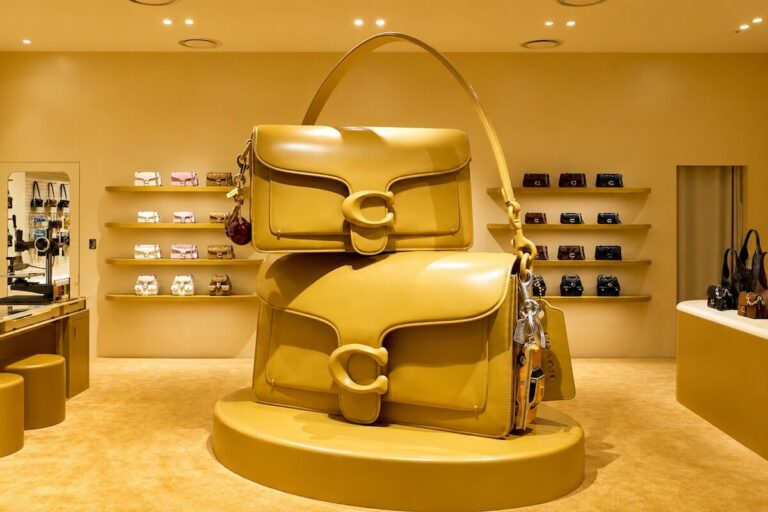
Gross margins and selected profit metrics for Coach, Pop Mart, lululemon, Miniso, Five Below, TJX and Costco, plus where each…
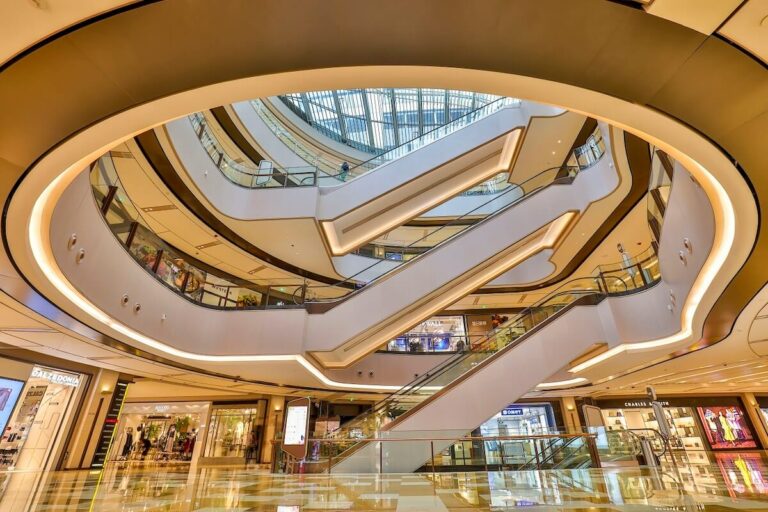
NikeSKIMS, Birkenstock and Starbucks Reserve chose HKRI Taikoo Hui for major China debuts. Why the Shanghai complex keeps winning new…
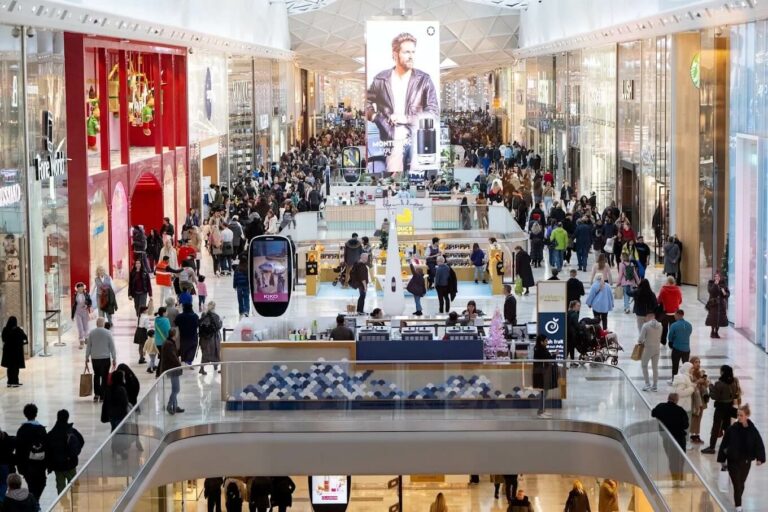
Bluewater opens its first new anchor since 1999. Next takes the former House of Fraser space with about 132,000 square…
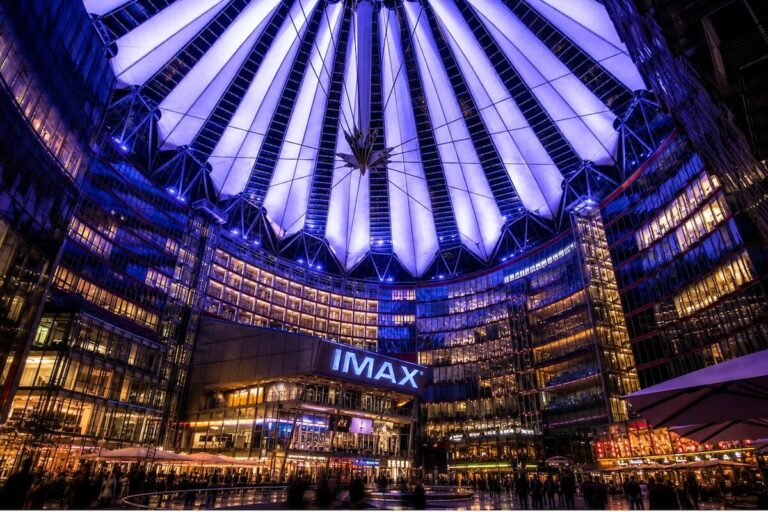
Opening in IMAX 70mm on July 17, 2026: Christopher Nolan's The Odyssey. Select shows went on sale one year in…
European retail is scaling AI, agentic commerce and retail media, but consumer trust is becoming the constraint. Four structural shifts…
Mall operators are no longer leasing space for pop-ups. They are selling audience access.
