

Plans for new stores have been put on the backburner by Sainsbury’s, a change in their plans that they say have had an effect on the supermarket chain’s balance sheet.
Sainsbury’s decision to shelve around 40 planned developments and write down the land behind them is a real estate repositioning as much as a trading update. The chain is signalling that expansion through large out-of-town superstores has reached its ceiling, and that land assembled for that model no longer carries the value it once did.
The retailer booked £633 million ($996 million) in one-off charges across the first half of its 2014/15 financial year. Of that, £287 million ($451 million) relates directly to abandoned or devalued development sites, with several locations no longer set to be built. Most of the remainder covers existing supermarkets running at or below break-even. The internal logic is straightforward: with fewer large stores planned, the land held for them is worth less.
The same period brought a pretax loss of £290 million ($456 million), with like-for-like sales down 2.1%. Chief executive Mike Coupe told the BBC that the following two years would be demanding for the sector, pointing to grocery deflation appearing for the first time in roughly a decade.
The pressure is structural rather than cyclical. Sainsbury’s acknowledged that shoppers are buying more frequently in smaller baskets, moving spend toward convenience stores, online ordering and discount chains. That behaviour undercuts the economics of the weekly big shop, the trip the superstore format was built to capture.
The response is around £150 million ($236 million) directed into price cuts, taking Sainsbury’s deeper into a price war in which Aldi, Asda, and Lidl have already taken share. For the property side of the business the implication is clear: capital that would once have funded superstore sites is now defending margin and shifting toward convenience and online formats, leaving a pipeline of development land without a use case.
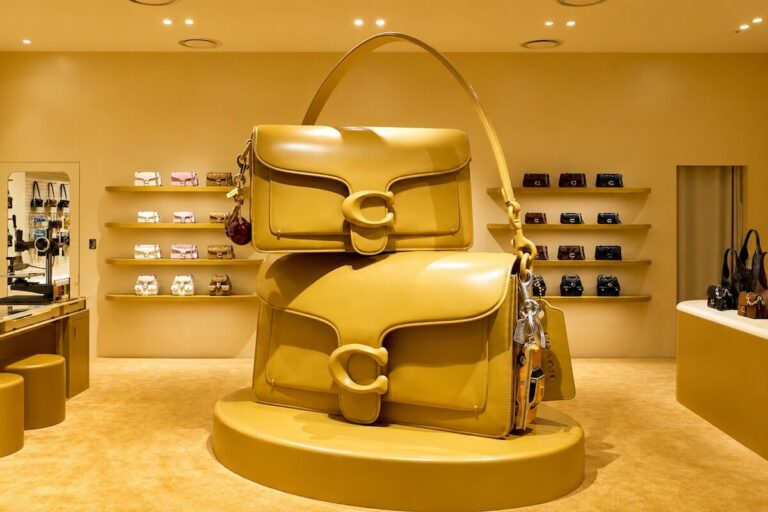
Gross margins and selected profit metrics for Coach, Pop Mart, lululemon, Miniso, Five Below, TJX and Costco, plus where each…
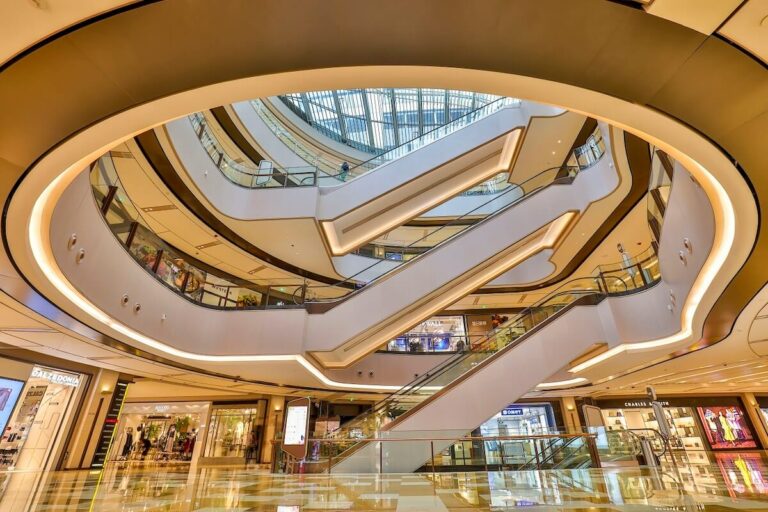
NikeSKIMS, Birkenstock and Starbucks Reserve chose HKRI Taikoo Hui for major China debuts. Why the Shanghai complex keeps winning new…
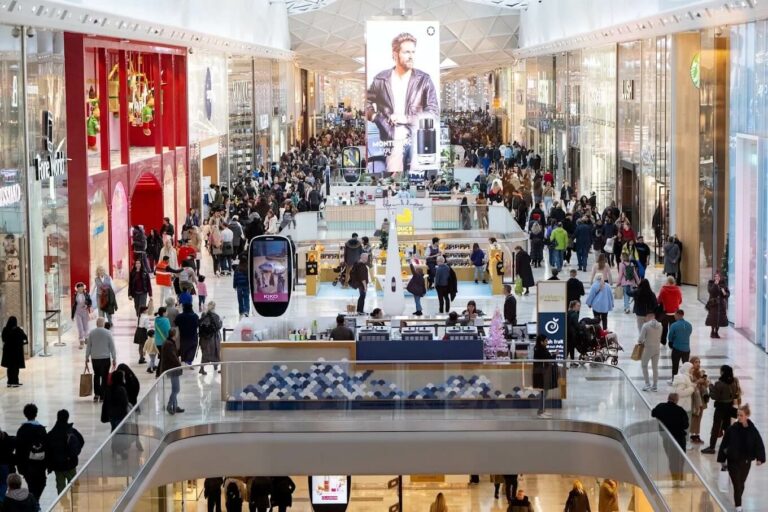
Bluewater opens its first new anchor since 1999. Next takes the former House of Fraser space with about 132,000 square…
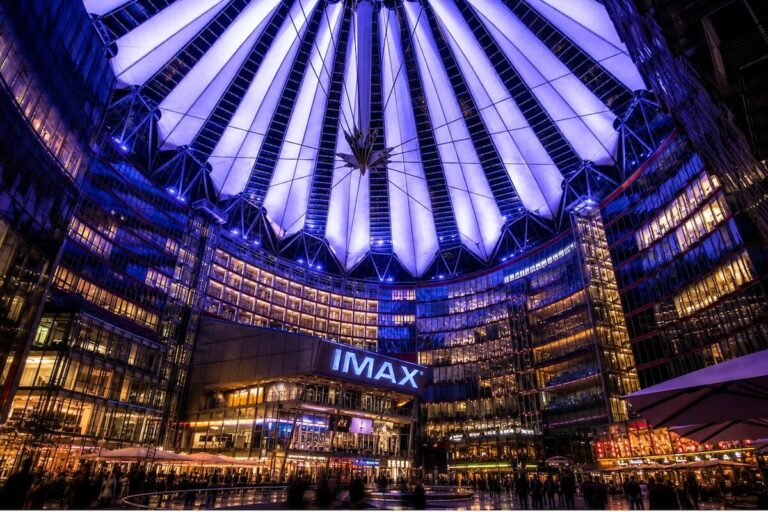
Opening in IMAX 70mm on July 17, 2026: Christopher Nolan's The Odyssey. Select shows went on sale one year in…

European retail is scaling AI, agentic commerce and retail media, but consumer trust is becoming the constraint. Four structural shifts…

Mall operators are no longer leasing space for pop-ups. They are selling audience access.
