
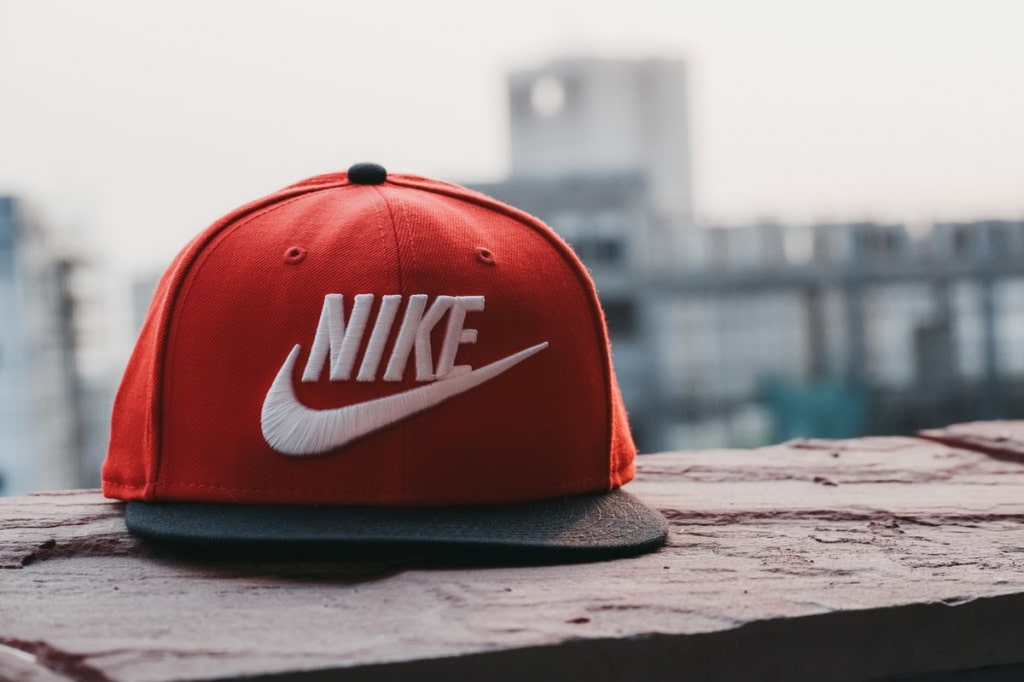
Over the past six months, American teenagers’ spending has been at its lowest for twenty years.
Nike and Amazon are the most popular brands among 16-year-old American teenagers, according to a Piper Jaffray survey of almost 10,000 respondents.
It is noted that over the past six months, teenage spending was at its lowest level in twenty years because of the negative impact of the pandemic on consumer sentiment. The average amount spent by teenagers in 2020 was $2,150, which is 9% less than a year earlier. In 2006, that figure was over 3,000.
The fall in clothes for American teenagers was 11%, up to $507 per year, and on footwear up to $275 per year. Among the most popular fashion brands following Nike (which has been the leader for ten years already) were named American Eagle and Adidas. Analysts point to the growth in H&M popularity and a decrease in Forever 21 and Victoria’s Secret. In the shoe segment, the pursuers of Nike are Vans and Adidas. Among the manufacturers of accessories at the peak of popularity were Louis Vuitton and Michael Kors.
According to the survey, only a third of respondents use department stores and retail stores to make purchases. Simultaneously, the share of buyers who use Internet channels for shopping is estimated at 90%. In particular, 54% of teenagers use Amazon. Besides, many consumers switch to second-hand stores. About 46% of respondents said that they have a habit of buying clothes and shoes that were used. 85% of respondents reported the practice of selling clothes and shoes on Internet platforms, the most popular of which are Poshmark and The RealReal.
The study also indicated that adolescents spend 21% of their total budget on food. The other most significant expenses include clothing and video games. Spending by U.S. teenagers declined in 2020 because of quarantine and concerns about economic problems.
Gross margins and selected profit metrics for Coach, Pop Mart, lululemon, Miniso, Five Below, TJX and Costco, plus where each…
NikeSKIMS, Birkenstock and Starbucks Reserve chose HKRI Taikoo Hui for major China debuts. Why the Shanghai complex keeps winning new…
Bluewater opens its first new anchor since 1999. Next takes the former House of Fraser space with about 132,000 square…
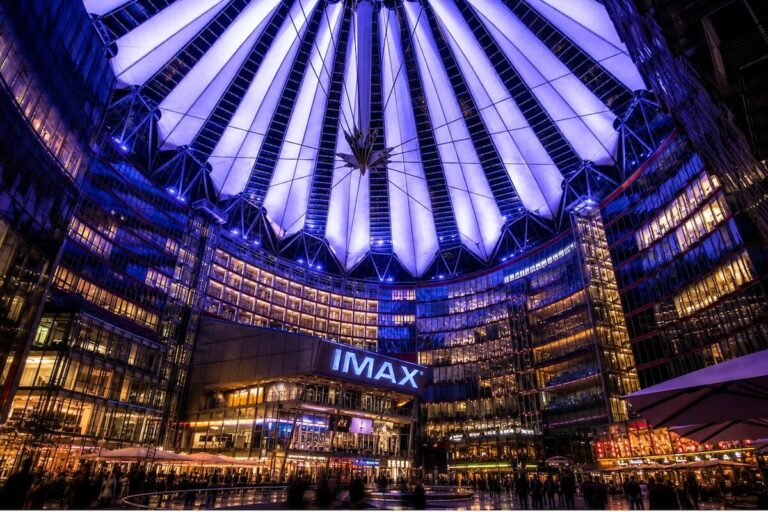
Opening in IMAX 70mm on July 17, 2026: Christopher Nolan's The Odyssey. Select shows went on sale one year in…
European retail is scaling AI, agentic commerce and retail media, but consumer trust is becoming the constraint. Four structural shifts…
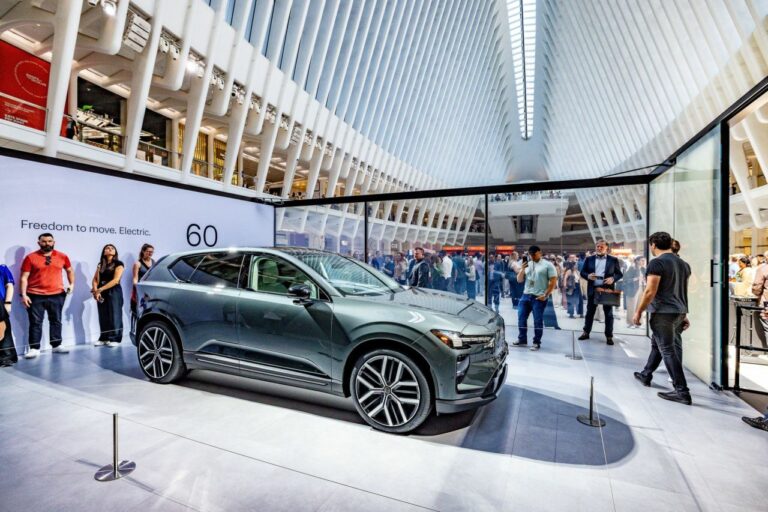
Mall operators are no longer leasing space for pop-ups. They are selling audience access.
