A current retail storyline is that the days of regional malls are numbered. The assumptions underlying this narrative are that all purchases are moving online, retailers are going bankrupt, and millennials have rejected the suburban mall and the lifestyle it represents. While there is some truth to each of these assumptions, statistics on malls tell […]
A current retail storyline is that the days of regional malls are numbered. The assumptions underlying this narrative are that all purchases are moving online, retailers are going bankrupt, and millennials have rejected the suburban mall and the lifestyle it represents. While there is some truth to each of these assumptions, statistics on malls tell a somewhat different story. Furthermore, when malls are reconsidered and repurposed for other uses, their value may far exceed their use as conventional retail space.
In traditional terms, the regional mall is de ned as a complex containing a group of retailers with interconnected walkways, either interior or exterior, and parking for patrons. Malls began to compete with “Main Street” in the middle of the 20th century and grew in popularity as the population migrated from the cities to the suburbs. Through the decades, malls have faced both periods of enormous success as well as a variety of social and economic challenges.
Despite the growing number of stories that focus on malls’ demise, regional malls have had positive net absorption since 2010 (the only blip in absorption was in 2009 at the height of the recession). At the end of 2016, occupancy across the U.S. was 95%, equating to 848 million square feet of space. Store closures have increased, but for the most part, malls have rolled with the punches, finding new tenants or alternative uses.
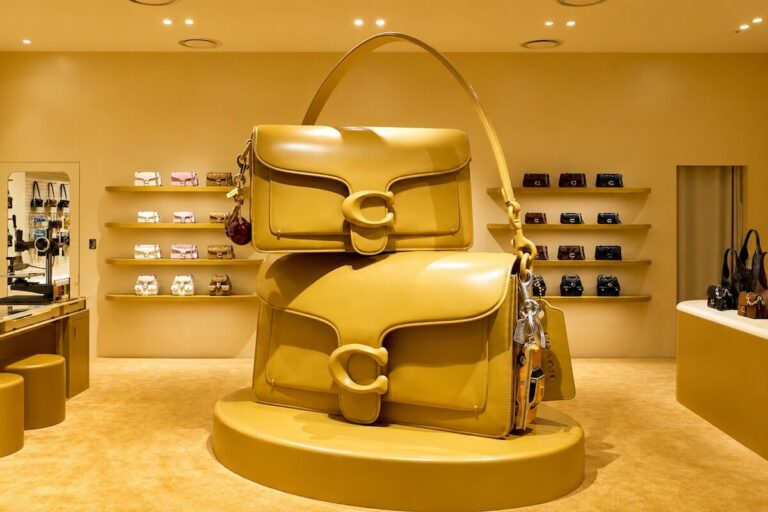
Gross margins and selected profit metrics for Coach, Pop Mart, lululemon, Miniso, Five Below, TJX and Costco, plus where each…
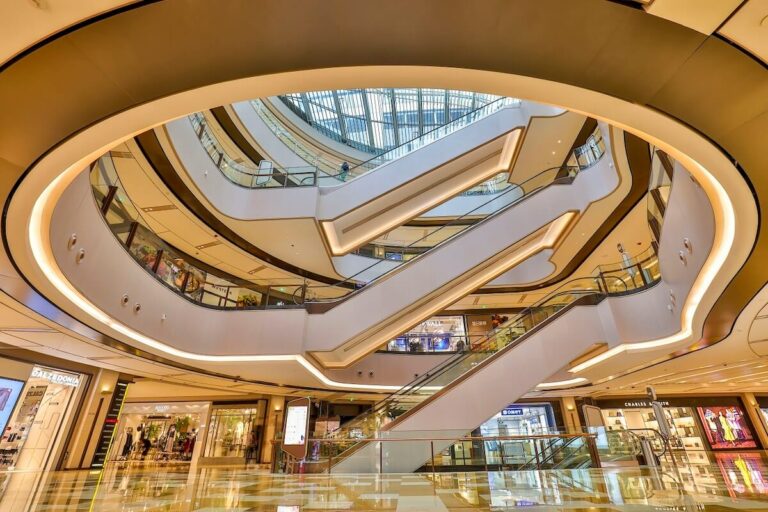
NikeSKIMS, Birkenstock and Starbucks Reserve chose HKRI Taikoo Hui for major China debuts. Why the Shanghai complex keeps winning new…
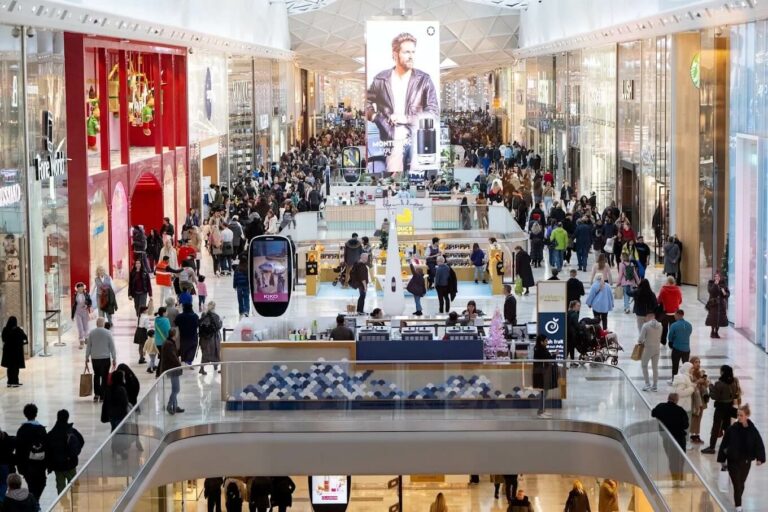
Bluewater opens its first new anchor since 1999. Next takes the former House of Fraser space with about 132,000 square…
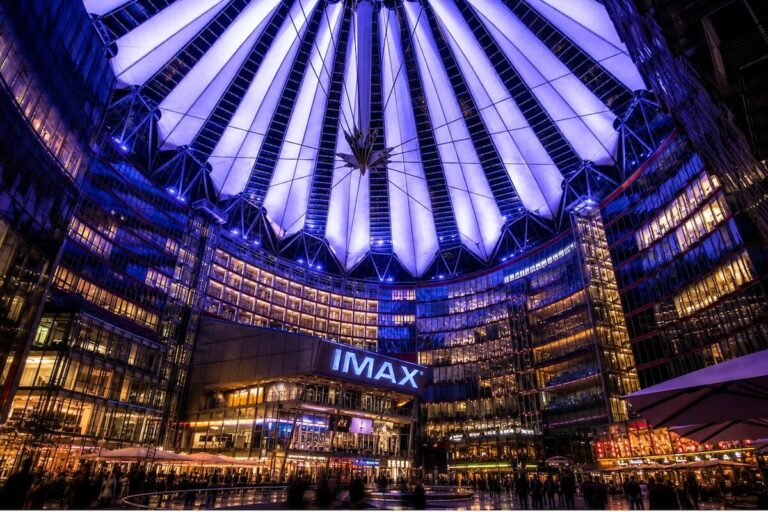
Opening in IMAX 70mm on July 17, 2026: Christopher Nolan's The Odyssey. Select shows went on sale one year in…

European retail is scaling AI, agentic commerce and retail media, but consumer trust is becoming the constraint. Four structural shifts…

Mall operators are no longer leasing space for pop-ups. They are selling audience access.