

Nike was forced to close its headquarters in Beaverton, Oregon, after reports of the first coronavirus death in the United States.
Nike has closed its headquarters in Beaverton, Oregon, following reports of the first Coronavirus fatality in the United States on February 29, 2020. The company has announced that the office will be temporarily closed for “deep cleaning” of the entire area, writes BusinessInsider.
“Although we don’t have any information indicating any impact on Nike’s employees, we are conducting a deep cleanup of the campus as a precaution,” said a Nike spokesman for KGW, Portland, Oregon, an NBC subsidiary. “All WHQ buildings and facilities, including fitness centers, will be closed over the weekend,” the company’s press office commented.
On February 28, the first officially confirmed case of COVID-19 in Oregon became known. Another six people are currently under surveillance awaiting test results. The first two fatal cases in the U.S. were recorded in neighboring Washington state. Doctors expect the virus to spread further in the country over the next six weeks.
Nike’s decision to close its headquarters was the first time in the U.S. market that a large international corporation was forced to suspend its office due to the virus. In other countries, similar practices have been in place since January. In China, for example, all Apple offices and retail stores were closed. It has now become known that many companies, including Starbucks and Apple, are opening retail outlets in the Celestial Empire after several weeks of quarantine.
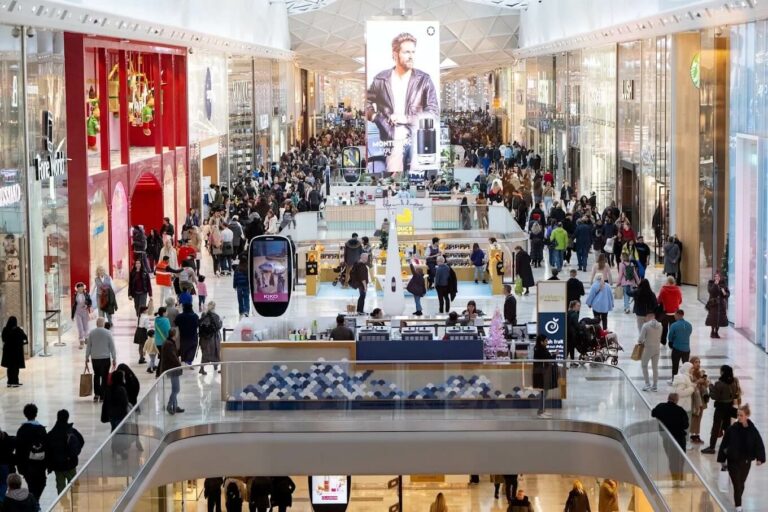
Bluewater opens its first new anchor since 1999. Next takes the former House of Fraser space with about 132,000 square…
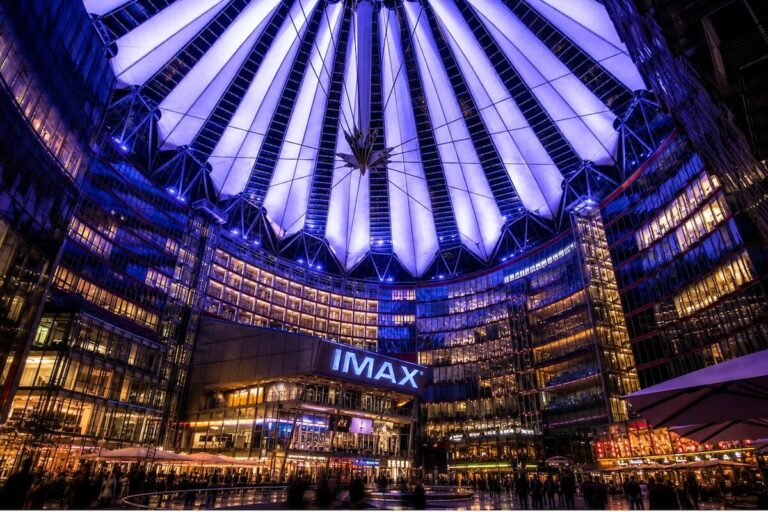
Opening in IMAX 70mm on July 17, 2026: Christopher Nolan's The Odyssey. Select shows went on sale one year in…
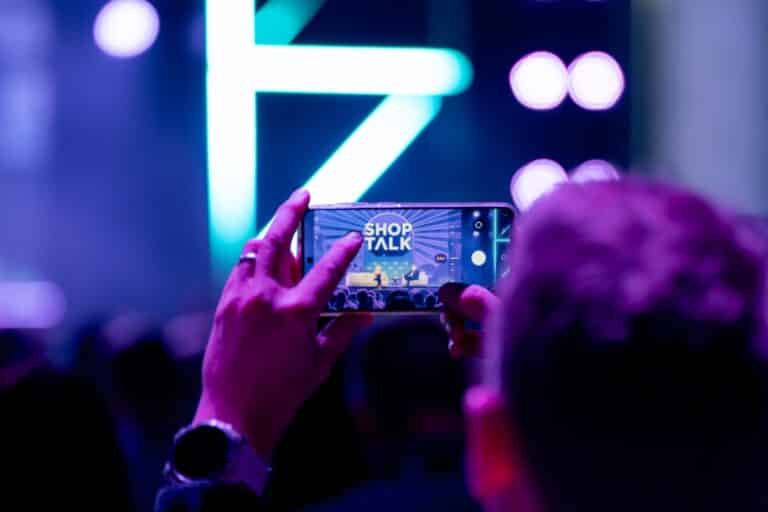
European retail is scaling AI, agentic commerce and retail media, but consumer trust is becoming the constraint. Four structural shifts…
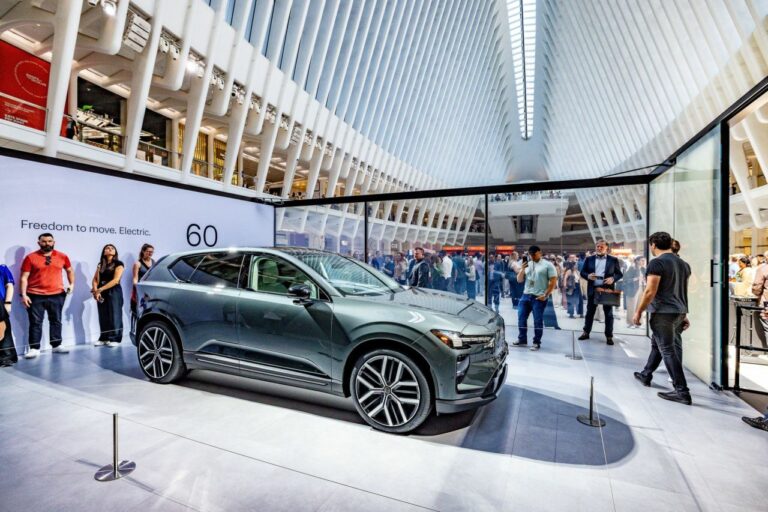
Mall operators are no longer leasing space for pop-ups. They are selling audience access.
Physical stores still drive most retail sales, fulfill online orders, support AI shopping, and help brands return to market.
A practical guide to nine mall tenant formats in 2026, from flagships and pop-ups to anchor redevelopment and mixed-use retail.
Verified signals on brand expansion, store openings, and mall development. Free.
Free · No credit card · Unsubscribe any time
