Middle East has faced another problem recently.
While some countries of the world are cash-strapped, the Middle Eastern regions possess more funds than they can spend within their borders spurring a significant cash outflow in the amount of US$180 billion (approx. €133 billion) towards the Western European real estate market expected to take place during the next decade according to the latest data from international real estate advisor CBRE.
Such a market phenomenon can be explained by rapid income growth of Middle Eastern investors that has far outpaced the property construction in the sector, making capital providers turn their gaze to Western European institutional real estate, which appears to be the main target of the cash flow taking 80% of $180 billion (around $145 billion). UK has gotten an edge in attracting the investment with $85 billion anticipated to enter the kingdom’s market. Next in line are France, Germany, Italy and Spain.
Middle East has become one of the leading investors of intercontinental market, having contributed $45 billion into the investment pool between 2007 and the end of 2013 seven times outmatching the numbers of its domestic performance. Middle Eastern funders aim to get a lion’s share in the direct real estate sphere.
Middle East Sovereign Wealth Funds (SWFs) has acquired the role of the most affluent and ambitious capital providers of the world, having reached 35% of SWF’s Assets Under Management (AUM) worldwide. These resources present the least significant portion (9% of total portfolio) to any other assets in contrast with Western and Asian SWFs. The continuous interest in global commercial real estate would mean an immense amount of wealth entering the market, having an important impact on the global capital distribution.
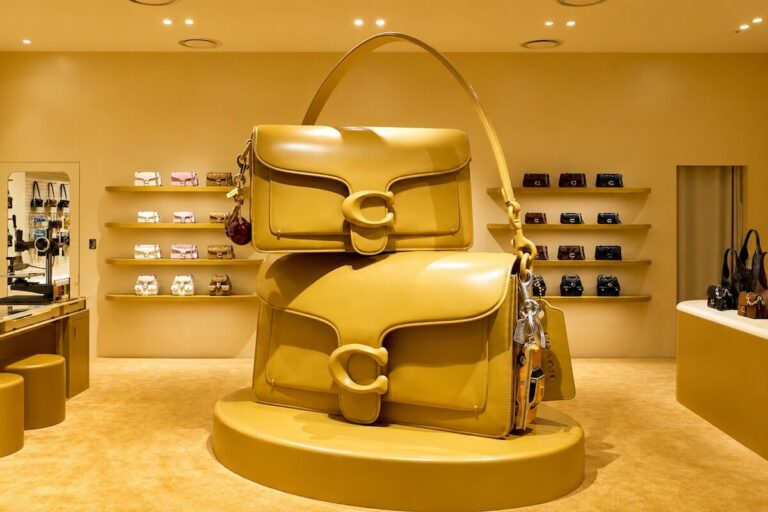
Gross margins and selected profit metrics for Coach, Pop Mart, lululemon, Miniso, Five Below, TJX and Costco, plus where each…
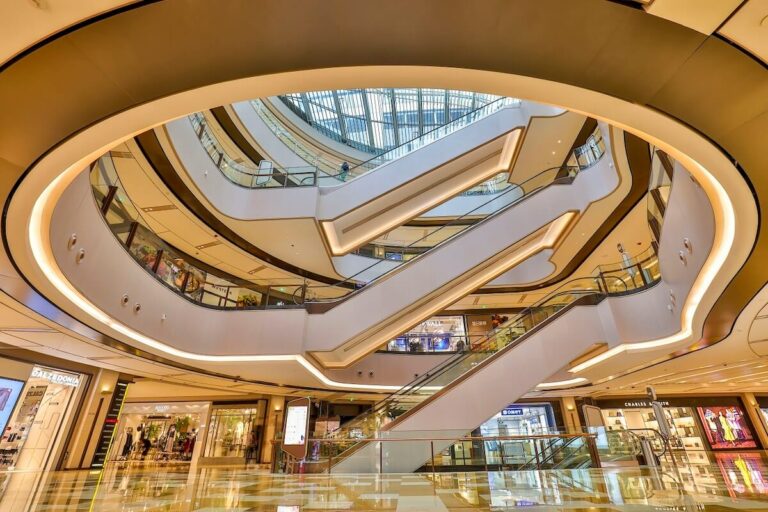
NikeSKIMS, Birkenstock and Starbucks Reserve chose HKRI Taikoo Hui for major China debuts. Why the Shanghai complex keeps winning new…
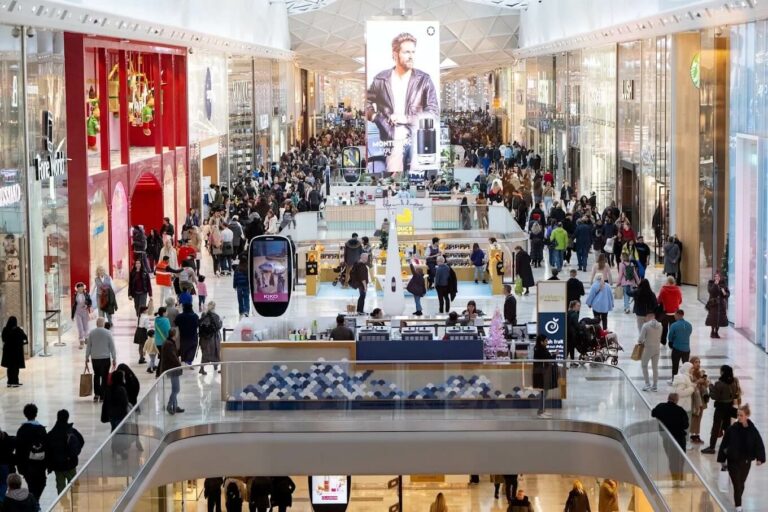
Bluewater opens its first new anchor since 1999. Next takes the former House of Fraser space with about 132,000 square…
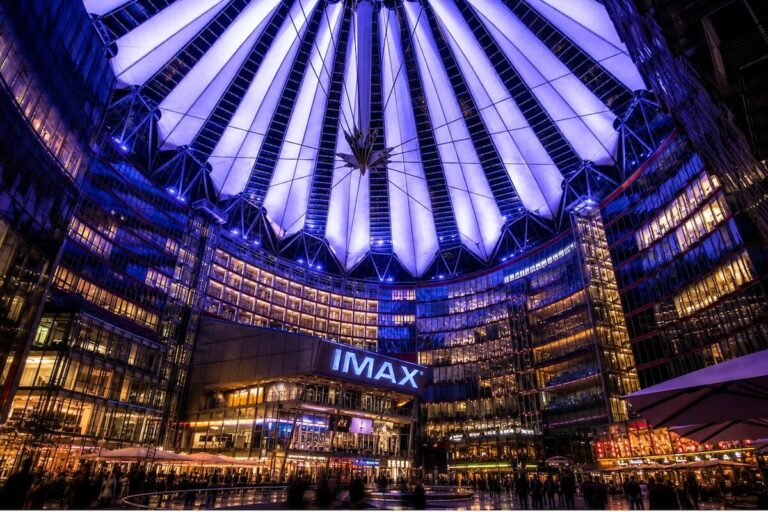
Opening in IMAX 70mm on July 17, 2026: Christopher Nolan's The Odyssey. Select shows went on sale one year in…

European retail is scaling AI, agentic commerce and retail media, but consumer trust is becoming the constraint. Four structural shifts…

Mall operators are no longer leasing space for pop-ups. They are selling audience access.