
Castle Towers opened in 1979 with Kmart, Coles and Norman Ross as its original anchors, and has been owned by the Queensland Investment Corporation since 1990, making it one of QIC’s longest-held retail assets. The center has expanded in nearly every decade since: David Jones and Franklins arrived in 1991, a second Event Cinemas complex and The Piazza dining precinct opened in 1999, and a two-level Myer opened in 2001.
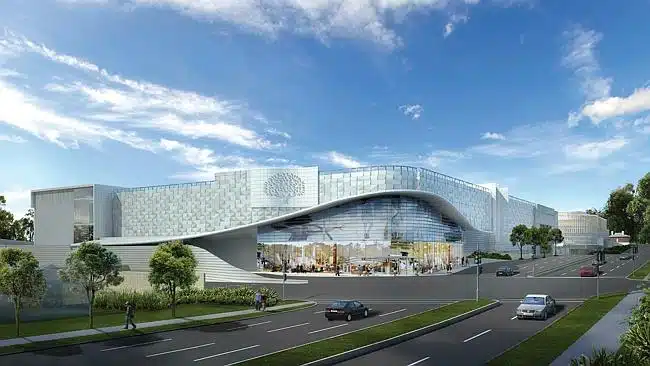
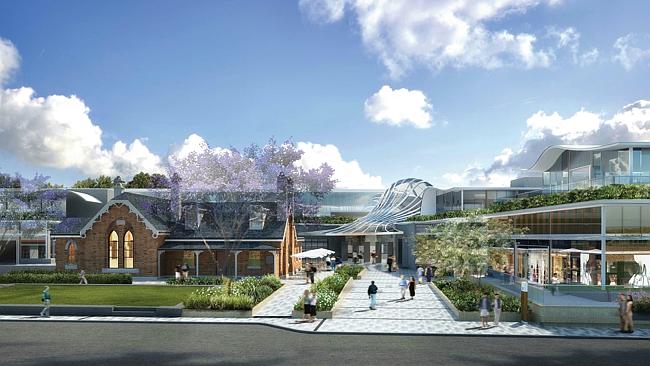
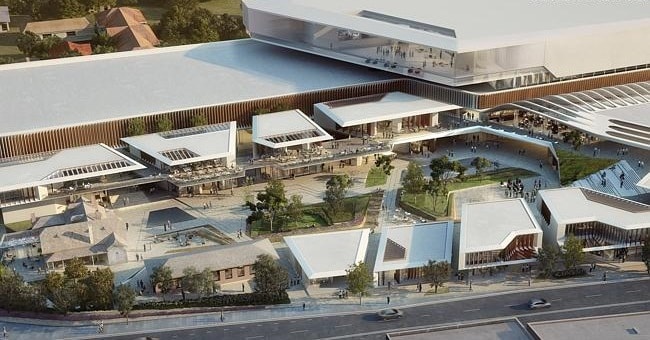
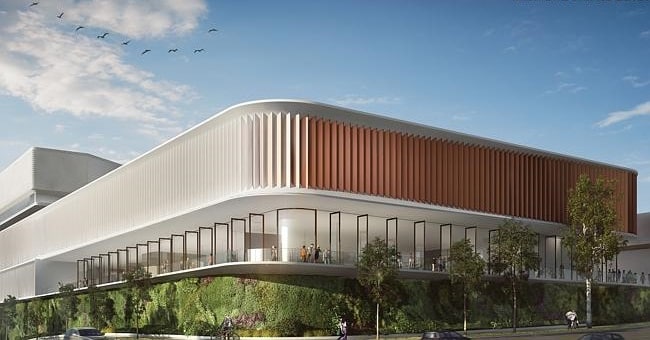
At roughly 112,000 sqm of net leasable area, Castle Towers already ranks among Australia’s largest shopping centers, and QIC has pursued repeated expansion proposals to push it further: a 2011-approved plan targeted 170,000 sqm, and a 2015 QIC proposal targeted 150,000 sqm through demolishing and rebuilding sections south of Target and David Jones. The Piazza, the center’s alfresco dining precinct added in 1999, has grown into a cobblestone-style strip of restaurants that draws crowds through the evening as much as the day. The first stage of the broader redevelopment opened in December 2019, before COVID-19 paused further phases.
Myer, David Jones, Target, Kmart and Coles anchor a roster of 300-plus stores, with Uniqlo, Apple and Mecca among the newer additions QIC has added to keep pace with Sydney’s other major centers. The 2019 opening of Castle Hill metro station, with a direct pedestrian tunnel into the mall, gave Castle Towers a transit connection several of its Hills District competitors, including Rouse Hill Town Centre, still lack.
That combination of scale and transit access is what keeps Castle Towers ahead of Rouse Hill Town Centre in the competition for the Hills District’s affluent, fast-growing catchment, even as QIC’s own plans acknowledge the center will keep evolving toward a mixed-use precinct, with a hotel, office tower and residential apartments proposed to arrive by 2030.
Verified signals on brand expansion, store openings, and mall development. Free.
Free · No credit card · Unsubscribe any time

