
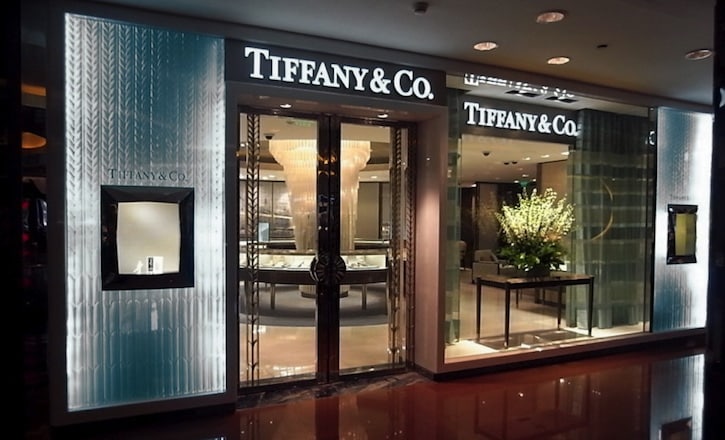
The approval of the transaction may take place after the publication of the quarterly report on March 23, 2020.
French luxury goods manufacturer LVMH is considering buying shares in Tiffany jewelry house in a declining open market. Vedomosti reports that discussions with the board of directors are currently underway on a possible deal. Approval of the agreement may take place after the publication of the quarterly report on March 23, 2020.
The agreement to purchase Tiffany for $16.2 billion was reached in November 2019. At present, against the backdrop of the unfavorable economic situations in the world, securities of the jewelry brand may cost much cheaper. According to Bloomberg, LVMH can expect a discount of 13% of the purchase price.
Earlier it was reported that the French holding would attract EUR 9.3 billion in bonds to finance one of the largest deals in its history. The sale was to be completed in mid-2020. Like most luxury brands, Tiffany faced problems in the retail market by closing its flagship store in New York and other sales outlets. To date, the company’s value is estimated at $15 billion.
The history of Tiffany is over 180 years. The brand specializes in the manufacture of jewelry, watches, and accessories, operating a network of 300 stores. Tiffany’s sales are estimated at 4.4 billion euros a year, which is comparable to sales of all jewelry brands in the LVMH portfolio. The company’s net profit in 2018 was $586 million.

Gross margins and selected profit metrics for Coach, Pop Mart, lululemon, Miniso, Five Below, TJX and Costco, plus where each…

NikeSKIMS, Birkenstock and Starbucks Reserve chose HKRI Taikoo Hui for major China debuts. Why the Shanghai complex keeps winning new…
Bluewater opens its first new anchor since 1999. Next takes the former House of Fraser space with about 132,000 square…

Opening in IMAX 70mm on July 17, 2026: Christopher Nolan's The Odyssey. Select shows went on sale one year in…

European retail is scaling AI, agentic commerce and retail media, but consumer trust is becoming the constraint. Four structural shifts…

Mall operators are no longer leasing space for pop-ups. They are selling audience access.
