
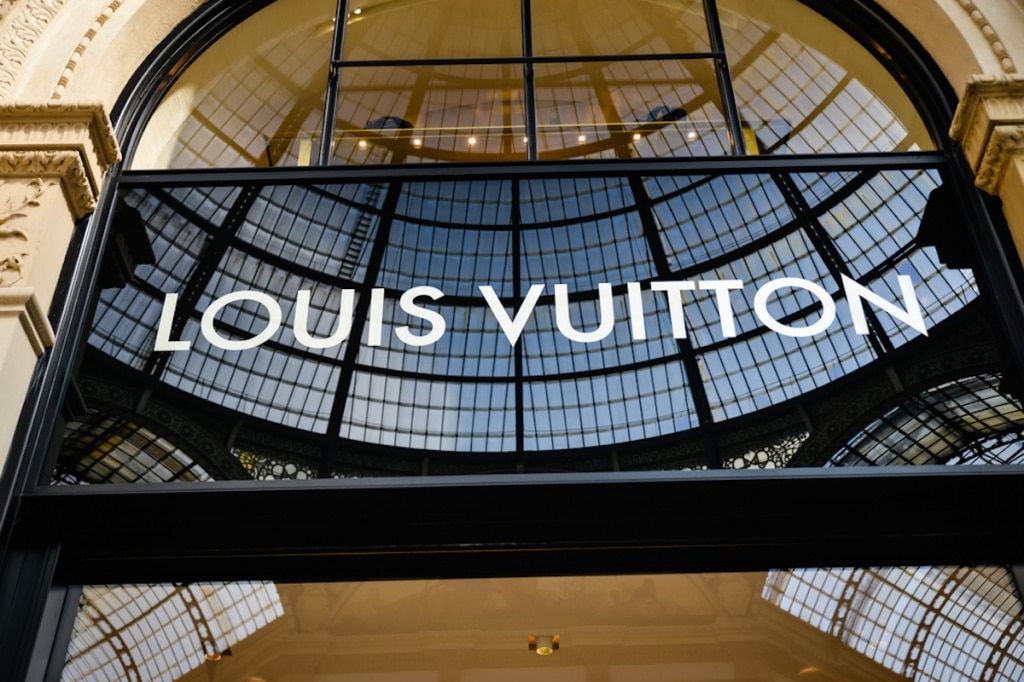
Tiffany went to court to force LVMH to close the deal or to award compensation to the company for the loss.
The acquisition of the American luxury jewelry retailer Tiffany by the French conglomerate LVMH Moët Hennessy Louis Vuitton was officially announced in November 2019. The terms of the agreement were $16.2 billion. It was planned to be completed in June 2020. However, the deal was postponed several times, first to August 24, then to November 24, 2020 – and finally, LVMH said it could not close the deal at all.
The conglomerate said it had received a letter from the French Ministry of Foreign Affairs asking for the deal’s completion to be postponed until January 6, 2021. This date is more than a month after the closing deadline provided in the agreement – November 24. According to the LVMH, such government moves are caused by political tensions between Paris and Washington. Thus, as officially stated by the company, the transaction is not currently complete due to a violation of previously agreed deadlines.
In turn, Tiffany declares that LVMH is using a letter from the French authorities, which is not legally valid, as a pretext to withdraw from the deal. However, the real reason is that, due to market difficulties caused by the pandemic, particularly in the luxury goods sector. The conglomerate is no longer interested in such a large-scale deal. In response, Tiffany filed a lawsuit in a Delaware state court to force LVMH to close the deal or set a compensation amount.

The vendors and deployments behind shopping advice, store navigation and retail operations, with a closer look at what it takes…
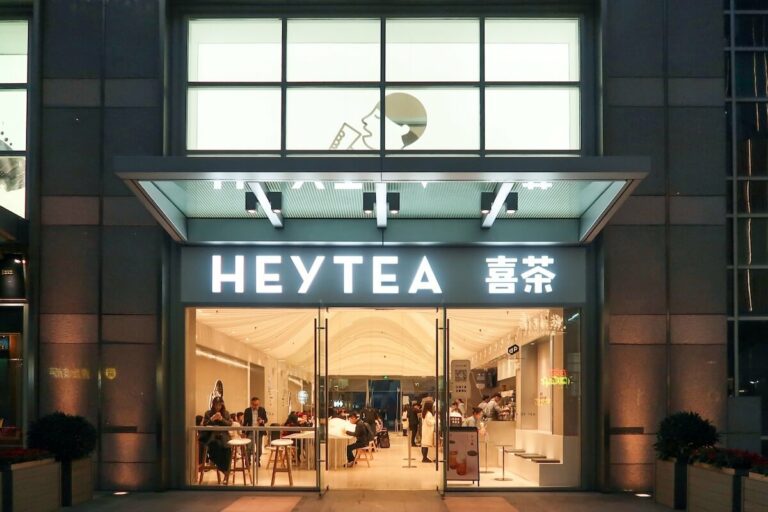
Miss A, Rowan and HEYTEA are on US mall opening lists in fall 2026. Their public records show what each…

Gross margins and selected profit metrics for Coach, Pop Mart, lululemon, Miniso, Five Below, TJX and Costco, plus where each…
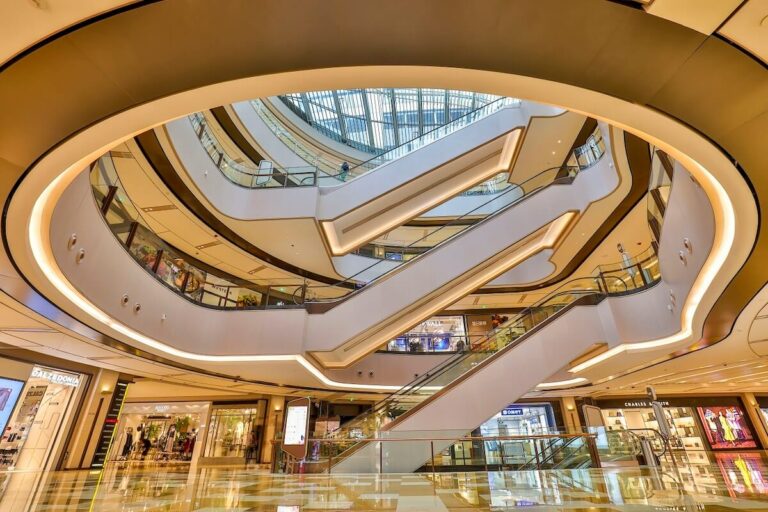
NikeSKIMS, Birkenstock and Starbucks Reserve chose HKRI Taikoo Hui for major China debuts. Why the Shanghai complex keeps winning new…
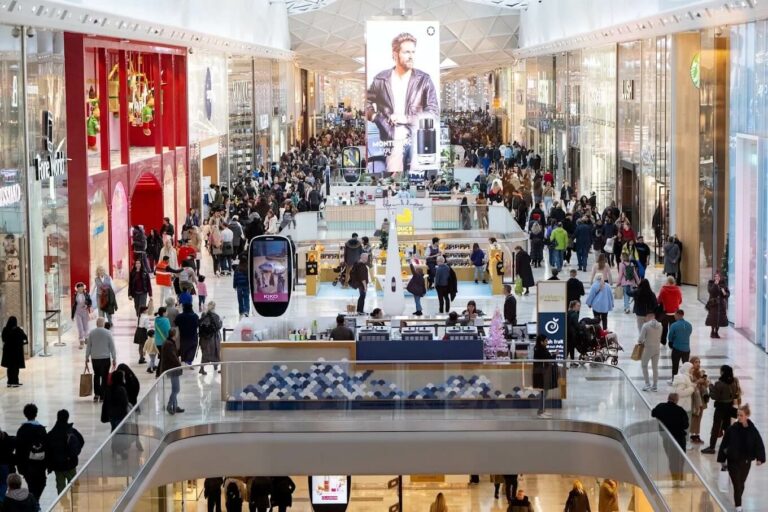
Bluewater opens its first new anchor since 1999. Next takes the former House of Fraser space with about 132,000 square…
Opening in IMAX 70mm on July 17, 2026: Christopher Nolan's The Odyssey. Select shows went on sale one year in…
