

Two years after Philip Morris announced its plans to expand the British chain, it has become known of its intention to close it completely.
The plans laid out by Philip Morris International before the Covid-19 pandemic called for opening hundreds of IQOS stores across the country. The first IQOS store in the U.K. opened in 2016 in London. Since then, the chain has grown to 16 outlets, located in the U.K. capital and Manchester and Bristol.
However, something went wrong in the end, and according to The Times, IQOS never managed to gain popularity in the U.K. As a result, it was decided to close all the brand stores on the country’s territory and completely switch over to online sales. Also, the goods of IQOS will still be available in various large stores and supermarkets. It is reported that 60 people, who worked in the retail agency of the company, have already been dismissed.
In this case, a representative for Philip Morris, which managed to reach The Times, argues that the brand is still trendy in the country. Moreover, it is stated that IQOS occupies the top positions in the sales rankings of smokeless cigarettes. The closure of the chain of stores was not due to a sharp decline in interest for the brand, but some other reasons. Perhaps such specialized stores were not in high demand in the era of the coronavirus pandemic and failed to live up to the expectations placed on them.
Photo credit: depositphotos.com.
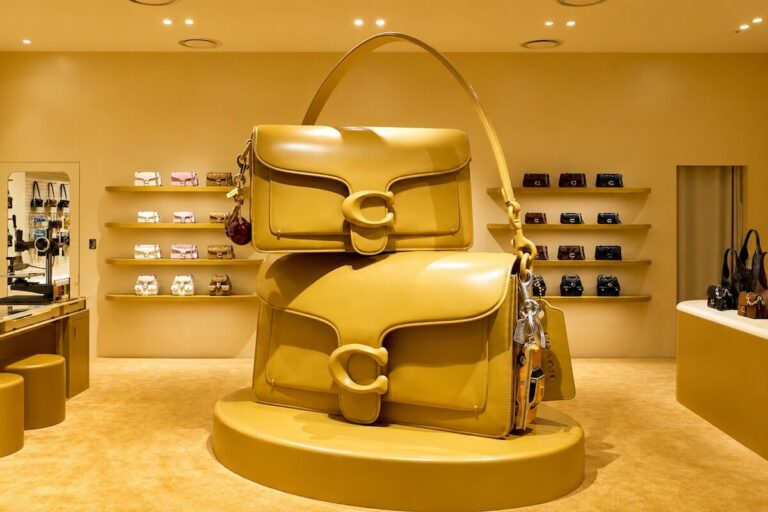
Gross margins and selected profit metrics for Coach, Pop Mart, lululemon, Miniso, Five Below, TJX and Costco, plus where each…
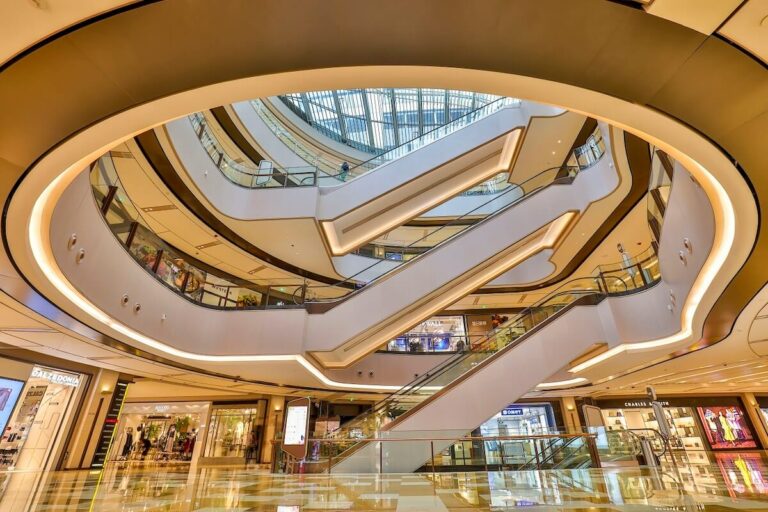
NikeSKIMS, Birkenstock and Starbucks Reserve chose HKRI Taikoo Hui for major China debuts. Why the Shanghai complex keeps winning new…
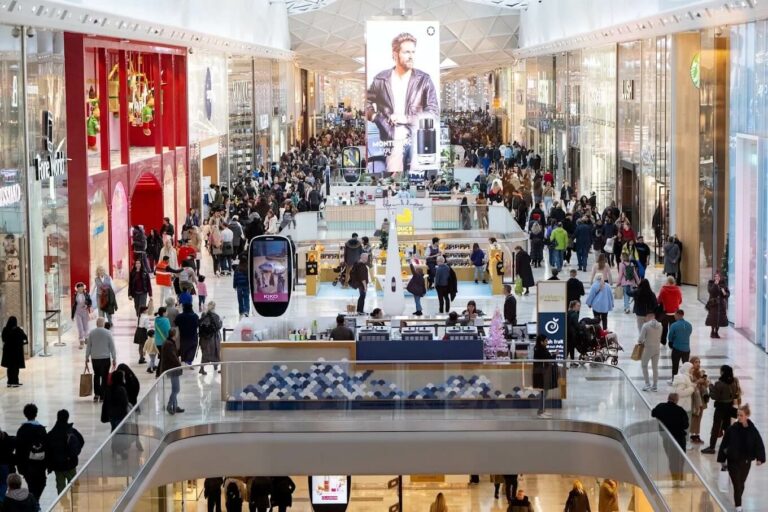
Bluewater opens its first new anchor since 1999. Next takes the former House of Fraser space with about 132,000 square…
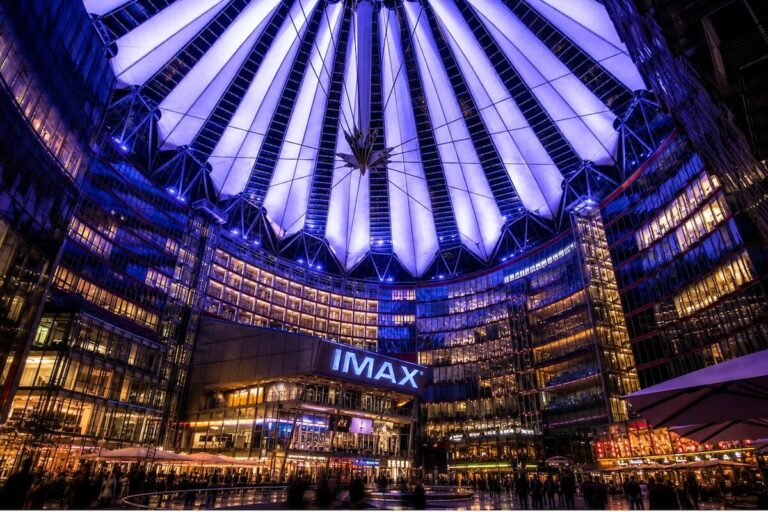
Opening in IMAX 70mm on July 17, 2026: Christopher Nolan's The Odyssey. Select shows went on sale one year in…

European retail is scaling AI, agentic commerce and retail media, but consumer trust is becoming the constraint. Four structural shifts…

Mall operators are no longer leasing space for pop-ups. They are selling audience access.
