

For decades, the Swedish company has been decorating homes. Now it has started selling small trailers of its own.
Photo credit: Josiah & Steph Photography.
Ikea’s tiny homes are attractive-looking and very comfortable, as comfortable as they are in their size and designed to focus on ecofriendliness. They were developed with Escape’s help, which already has much experience in this area.
Technically, it’s a modified version of Escape’s Vista Boho XL, equipped with solar panels, a composting toilet, and a water-heating system. The house is decorated in neutral tones, utilizing every square inch of space and using folding furniture.
Photo credit: Josiah & Steph Photography.
According to Dan Dobrowolski, Escape’s founder, it was a “natural collaboration.” After all, his company, which has been building trailers for 25 years, makes extensive use of IKEA products in their design. It took 60 days to design the Ikea Tiny Home. The Swedish company insisted on using as many environmentally friendly and recyclable materials as possible. Naturally, much attention was also paid to ensuring that all the available space was as comfortable and thoughtful as possible. It took a total of 60 days to develop the design.
The cost of the Ikea Tiny Home starts at $47,550. A specially created website allows buyers to see the interior of the Ikea Tiny Home and personalize it with furniture and accessories from IKEA.
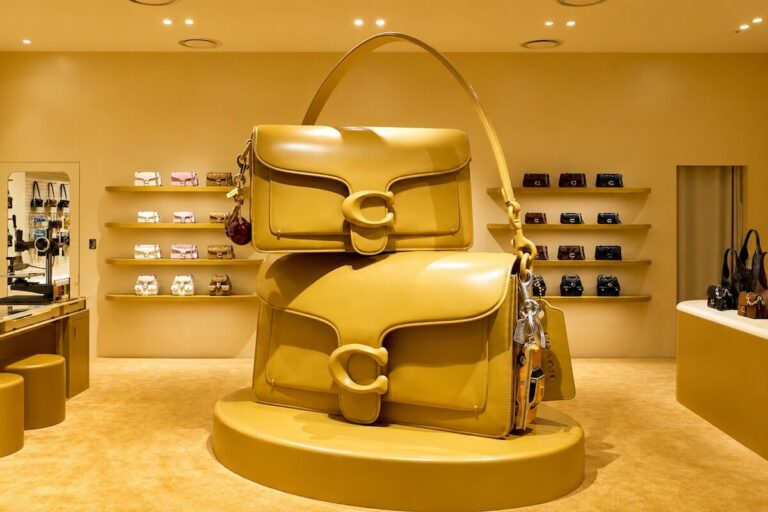
Gross margins and selected profit metrics for Coach, Pop Mart, lululemon, Miniso, Five Below, TJX and Costco, plus where each…
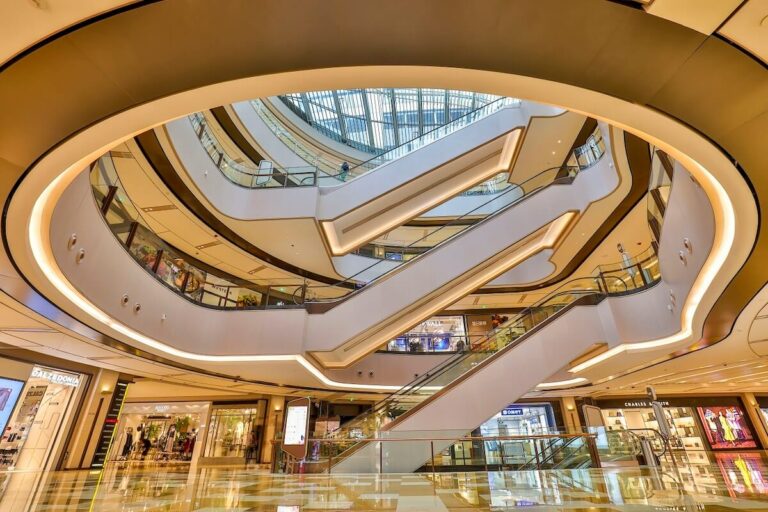
NikeSKIMS, Birkenstock and Starbucks Reserve chose HKRI Taikoo Hui for major China debuts. Why the Shanghai complex keeps winning new…
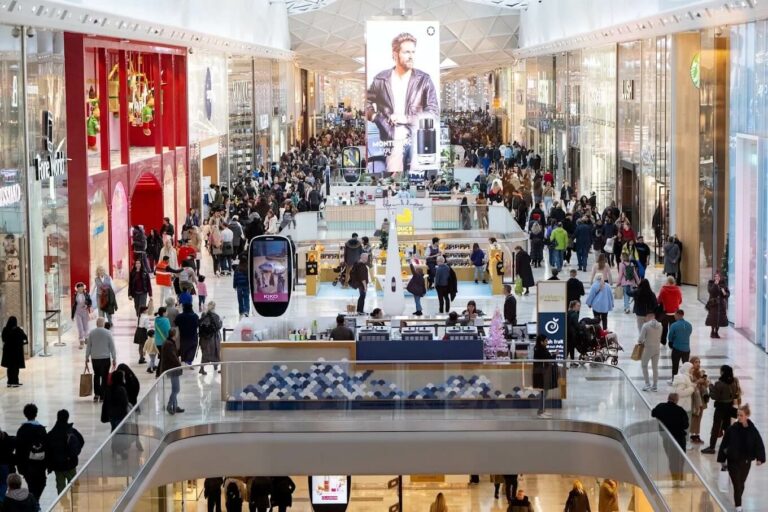
Bluewater opens its first new anchor since 1999. Next takes the former House of Fraser space with about 132,000 square…

Opening in IMAX 70mm on July 17, 2026: Christopher Nolan's The Odyssey. Select shows went on sale one year in…

European retail is scaling AI, agentic commerce and retail media, but consumer trust is becoming the constraint. Four structural shifts…
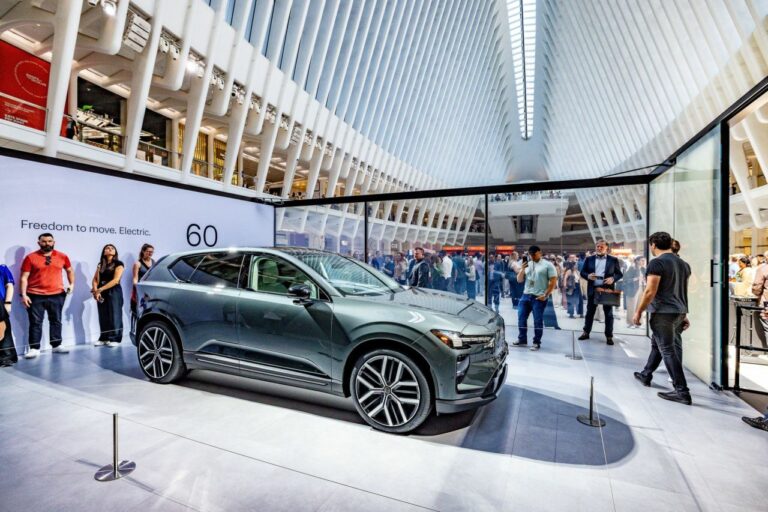
Mall operators are no longer leasing space for pop-ups. They are selling audience access.
