

The company began renting out furniture and buying its own products, second-hand.
The Swedish retailer has started testing new business models. The company began renting out furniture and buying its own products, second-hand.
The buy-out experiment was tested in Japan. Thanks to this initiative, the store can be made more environmentally friendly, since Ikea will recycle furniture that would go to the dump. The idea of renting furniture is designed to attract customers who are not willing to pay hundreds of dollars for a sofa or bed. According to experts, the service of renting furniture will become popular in Europe, where it is customary to rent an apartment without furniture and a kitchen set, and the mobility of residents is high. In addition, the company is exploring new types of cellulose materials for more environmentally friendly packaging.
Ikea CEO Jesper Brodin, speaking at the World Economic Forum in Davos, presented these test services as part of a more environmentally friendly business approach.
The founder of the company Ikea Ingvar Kamprad died on January 27, 2018, in the Swedish province of Smaland. He was 91 years old. Later it became known that three of Kamprad’s sons – Peter, Jonas, and Mathias Kamprad, will not receive full control over Ikea, but will inherit the family company Ikano Group with assets in real estate, financial sector, and retail. Their cost is estimated at about $ 10 billion, Ikea’s annual income is about € 50 billion.
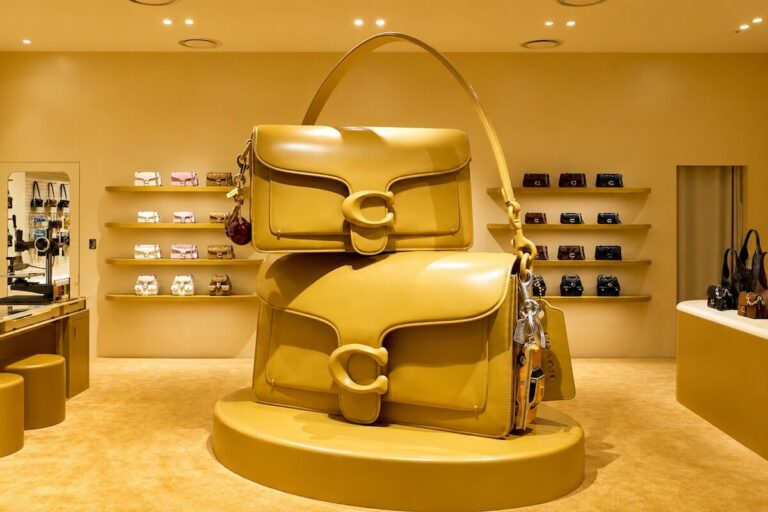
Gross margins and selected profit metrics for Coach, Pop Mart, lululemon, Miniso, Five Below, TJX and Costco, plus where each…
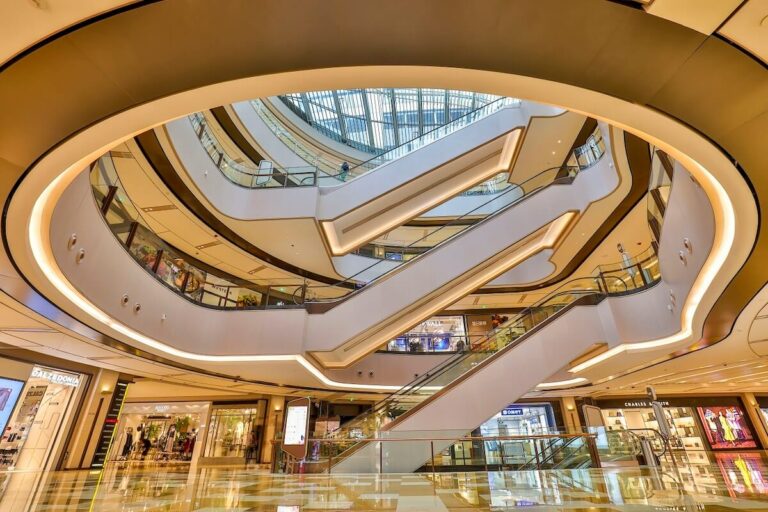
NikeSKIMS, Birkenstock and Starbucks Reserve chose HKRI Taikoo Hui for major China debuts. Why the Shanghai complex keeps winning new…
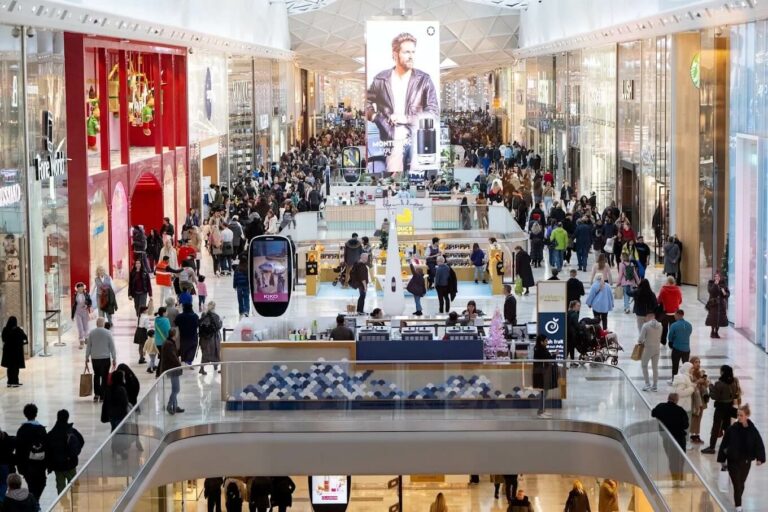
Bluewater opens its first new anchor since 1999. Next takes the former House of Fraser space with about 132,000 square…

Opening in IMAX 70mm on July 17, 2026: Christopher Nolan's The Odyssey. Select shows went on sale one year in…

European retail is scaling AI, agentic commerce and retail media, but consumer trust is becoming the constraint. Four structural shifts…

Mall operators are no longer leasing space for pop-ups. They are selling audience access.
