

Many leading clothing manufacturers, including H&M and Levi Strauss, are at risk of severe supply chain disruptions.
A significantly increased number of cases of the more contagious strain of coronavirus delta plus has forced the government of Bangladesh to decide to impose a strict seven-day quarantine. Beginning Thursday, July 1, 170 million people will be forced to hole up in their homes, and all work activities will come to a virtual halt. People will only be allowed to leave their homes in cases of emergency.
And because Bangladesh is home to many garment factories, the downtime will inevitably affect the supply chains of some major retailers. According to a study by S&P Global, well-known manufacturers such as H&M, Levi Strauss, and PVH (which owns famous brands such as Tommy Hilfiger and Calvin Klein) could be affected. The situation is complicated because the supply chain is already extremely stretched, with insufficient containers and workers. It is also usually when retailers place orders for the holiday season to ensure shelves are stocked for peak winter shopping.
As China becomes less competitive in labor-intensive sectors, including apparel manufacturing, large companies have increasingly drawn labor from Bangladesh. Today, many well-known brands produce many of their clothing in Bangladesh. However, Bangladeshi suppliers proved more resilient during the pandemic than their counterparts in neighboring regions. According to an analysis by Panjiva (part of S&P Global Market Intelligence), shipments in the first three months of 2021 were down only 1.6% compared to the same period in 2019. By comparison, shipments from India and Sri Lanka were down 10.1% and 6.4%, respectively.
However, this time we are talking about a strict lockdown, the consequences of which are still challenging to predict.
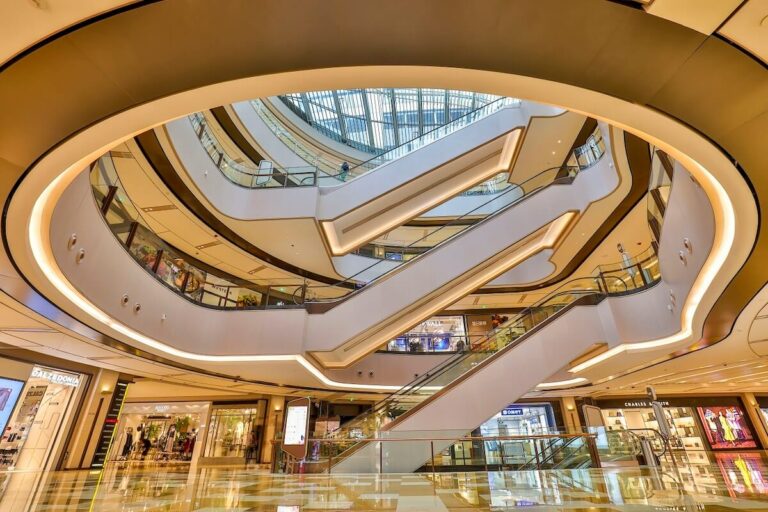
NikeSKIMS, Birkenstock and Starbucks Reserve chose HKRI Taikoo Hui for major China debuts. Why the Shanghai complex keeps winning new…
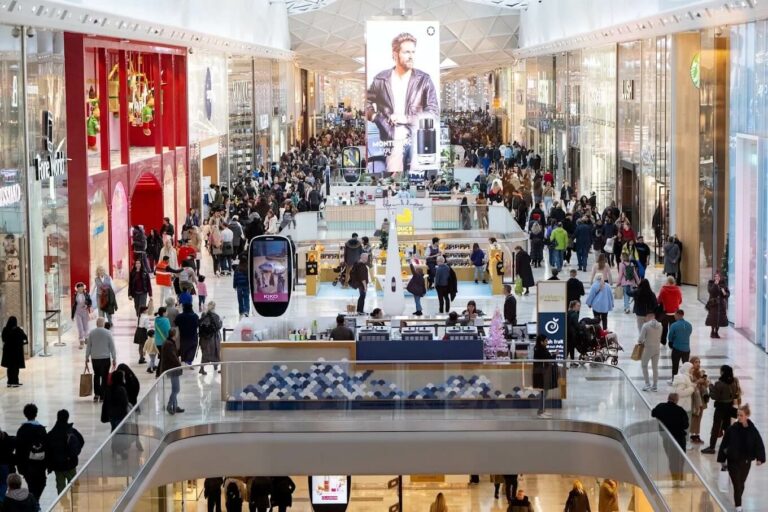
Bluewater opens its first new anchor since 1999. Next takes the former House of Fraser space with about 132,000 square…
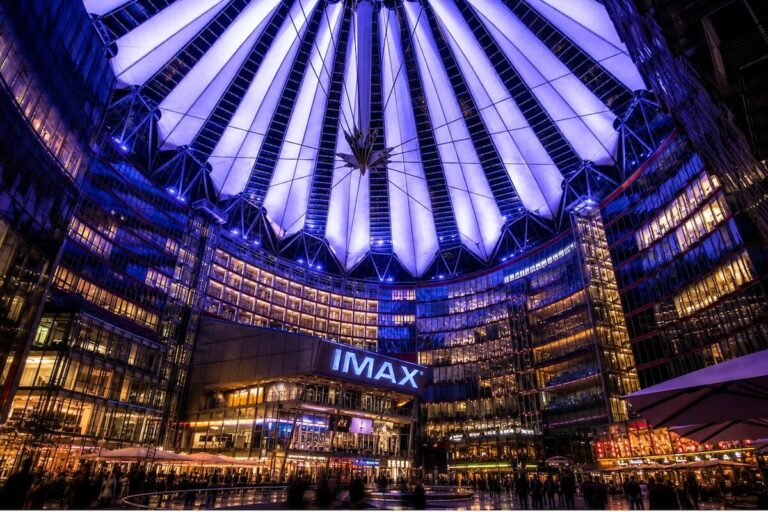
Opening in IMAX 70mm on July 17, 2026: Christopher Nolan's The Odyssey. Select shows went on sale one year in…

European retail is scaling AI, agentic commerce and retail media, but consumer trust is becoming the constraint. Four structural shifts…

Mall operators are no longer leasing space for pop-ups. They are selling audience access.
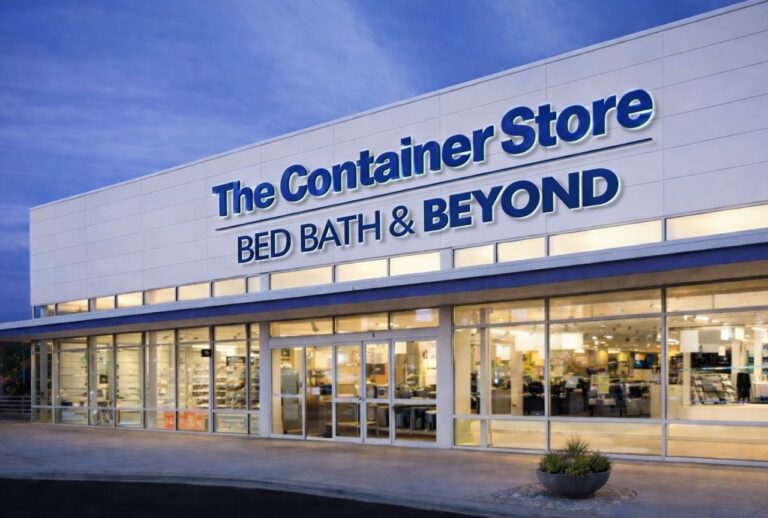
Physical stores still drive most retail sales, fulfill online orders, support AI shopping, and help brands return to market.
