

American brand Gap, one of the largest clothing manufacturers and retailers, decided to initiate litigation with Kanye West.
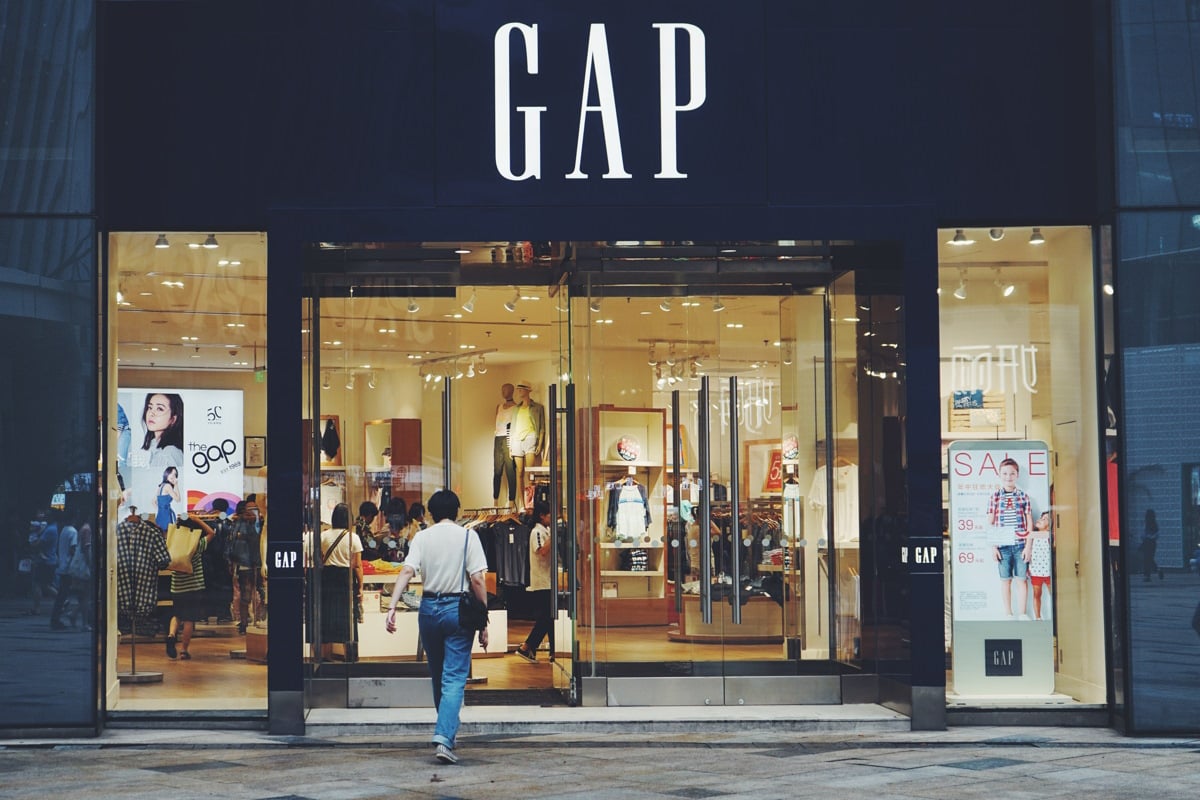
The reason was the company’s losses from the unsuccessful cooperation with the musician and designer on the Yeezy Gap project. The partnership, which began in 2020, was terminated at the initiative of the fashion brand in the fall of 2022.
A scandal preceded the decision – West made several anti-Semitic statements in social networks and personal interviews. After that, other brands, including Adidas, terminated their contracts with the musician.
Gap is trying to recover $2 million from West in its lawsuit. The lawsuit notes that the designer “made unauthorized changes to a rental property in Los Angeles that the landlord is trying to foreclose on.”
Specifically, it states that West “violated the strategic agreement and directly and indirectly caused the Gap to incur costs to repair and rehabilitate the premises” owned by Art City Center.
Yeezy Gap is a collaboration between the popular streetwear brand Yeezy, owned by Kanye West, and the American clothing retailer Gap. The partnership was announced in June 2020 and aims to create a new line of affordable, everyday clothing for men, women, and children. The first Yeezy Gap collection was released in June 2021, with a limited offering of the brand’s signature round jacket called the “Round Jacket” or “Roundy.” The jacket quickly sold out, showcasing the strong demand for the collaboration.
More than a dozen LVMH brands have issued lawsuits against the American payment giants in the High Court.

57 verified brand expansion signals. 25+ markets. Seven archetypes. One structural pattern.
In-store retail media crossed $0.5B. AI moved from the cloud into checkout scanners. Retail space supply hit historic lows.

3-4 November 2026, Cannes MAPIC takes place every autumn in Cannes and remains one of the few global events where…

Las Vegas · May 2026 · Las Vegas Convention Center ICSC Las Vegas takes place each year in May and…

World Retail Congress takes place each spring in London and brings together senior retail executives, investors, and property leaders for…
