

One of the company’s largest retail stores is permanently out of business.
Faced with considerable difficulties due to the pandemic, Gap has been making every effort in recent months to stay afloat. The company has been negotiating with landlords to defer or reduce rents and has even taken the unprecedented step of refusing to pay rent for quarantine shops in North America. At the same time, the company recognized that if there were no agreements with the landlords, some Gap and Banana Republic stores could be closed permanently.
It has now become known that several stores in San Francisco, the city where the retailer’s headquarters are located and where the first store of the brand was opened in 1969, have ceased to operate.
It has been officially confirmed that the flagship Gap store in San Francisco, located at 890 Market Street, will remain closed. The retail outlet at Three Embarcadero Center is also closing down. It is not the first news of its kind from the company – last month two large stores closed in the city.
The company’s official position is that the retailer is focusing on growing online businesses and that offline stores will be closed to “adapt to changing customer needs.” The company reports that in addition to Gap stores, retail outlets from other brands in the city will no longer be closed. The Old Navy, Banana Republic and Athleta stores in San Francisco will continue to operate as usual for the time being.
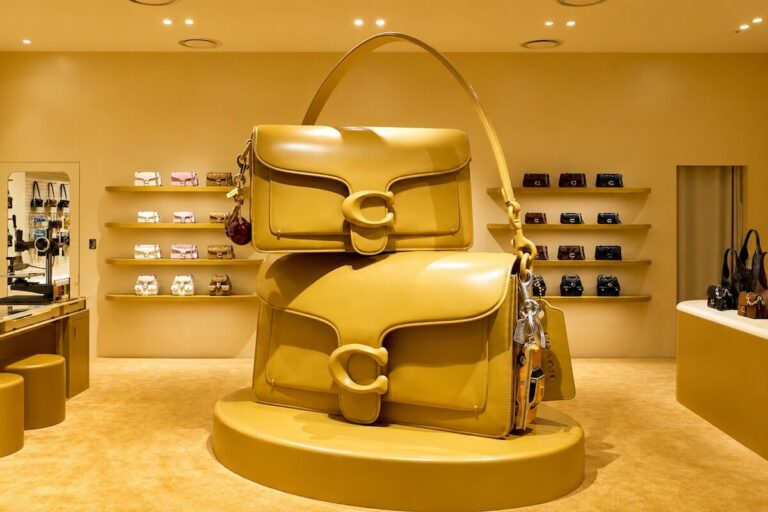
Gross margins and selected profit metrics for Coach, Pop Mart, lululemon, Miniso, Five Below, TJX and Costco, plus where each…
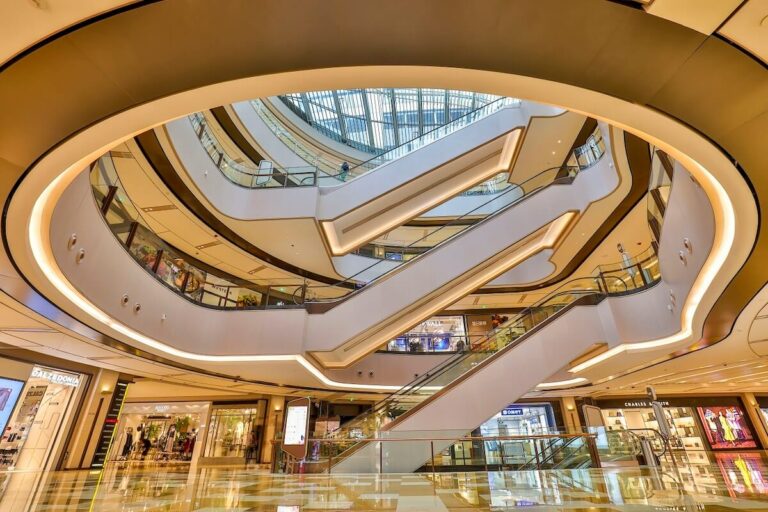
NikeSKIMS, Birkenstock and Starbucks Reserve chose HKRI Taikoo Hui for major China debuts. Why the Shanghai complex keeps winning new…
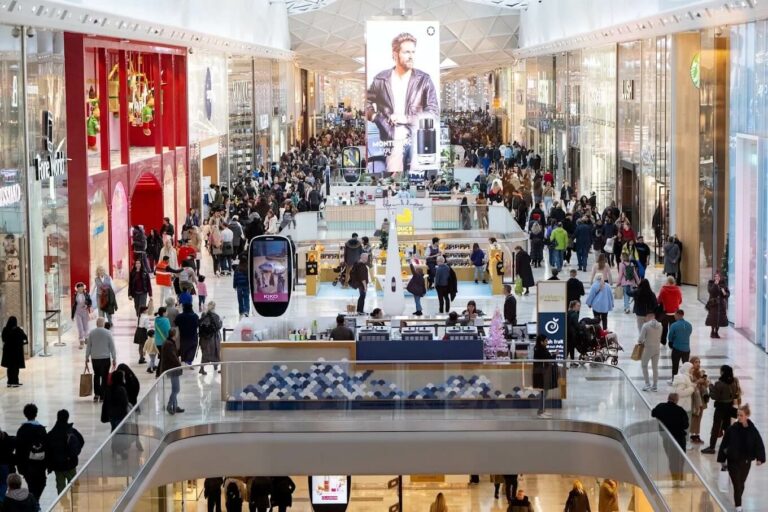
Bluewater opens its first new anchor since 1999. Next takes the former House of Fraser space with about 132,000 square…
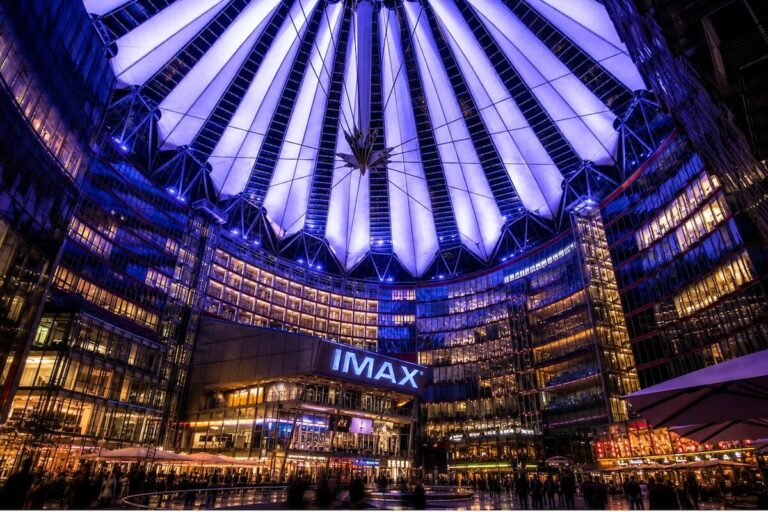
Opening in IMAX 70mm on July 17, 2026: Christopher Nolan's The Odyssey. Select shows went on sale one year in…

European retail is scaling AI, agentic commerce and retail media, but consumer trust is becoming the constraint. Four structural shifts…

Mall operators are no longer leasing space for pop-ups. They are selling audience access.
