

Small local retailers are at the highest risk of closures today.
In the US by 2027 over 50 thousand stores may be closed, according to a study by the research department of the bank UBS. By this time experts predict the growth of online commerce from 15% to 25% of retailers’ total sales.
If the online share reaches 28-29%, and retail sales will grow by 2.5%, the number of closures in the physical segment will reach 130 thousand points. Small local retailers are at the highest risk of closures today.
It was reported that by the end of 2022 in the country more stores were closed than opened, although a year earlier there was a positive trend. Analysts note that the negative trend will continue “as the tough macroeconomic backdrop and the shift in spending toward goods forces the closure of small, undifferentiated retailers.”
More than 5,000 retail stores have already closed or are preparing to close since the beginning of 2021. USB notes that closing inefficient stores should spur those that remain to increase productivity as consumers move to online channels.
As of the second quarter of 2023, there were about 940,000 retail stores in the U.S., not including grocery supermarkets and gas station stores. As online retailing penetrates, that number will continue to decline, especially among smaller companies.
The report indicates that about 14,000 closures will come in the Softline segment. 9,000 stores will be closed by electronics and home appliances retailers and 4,000 by furniture and home improvement retailers.

Gross margins and selected profit metrics for Coach, Pop Mart, lululemon, Miniso, Five Below, TJX and Costco, plus where each…
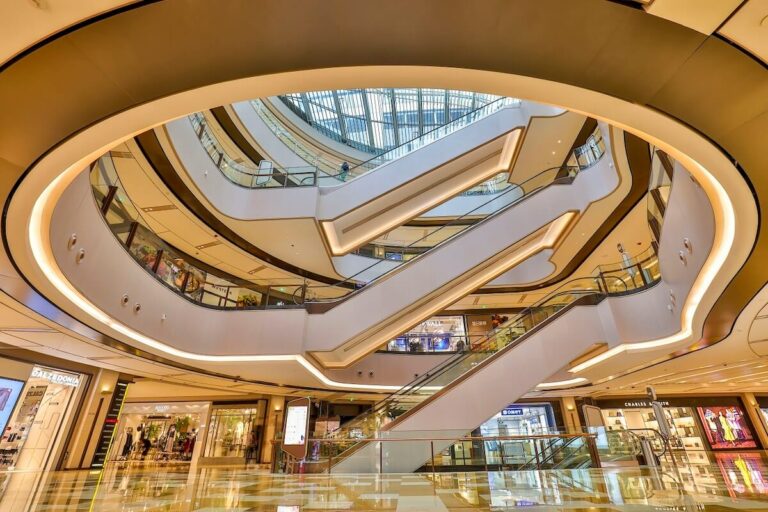
NikeSKIMS, Birkenstock and Starbucks Reserve chose HKRI Taikoo Hui for major China debuts. Why the Shanghai complex keeps winning new…
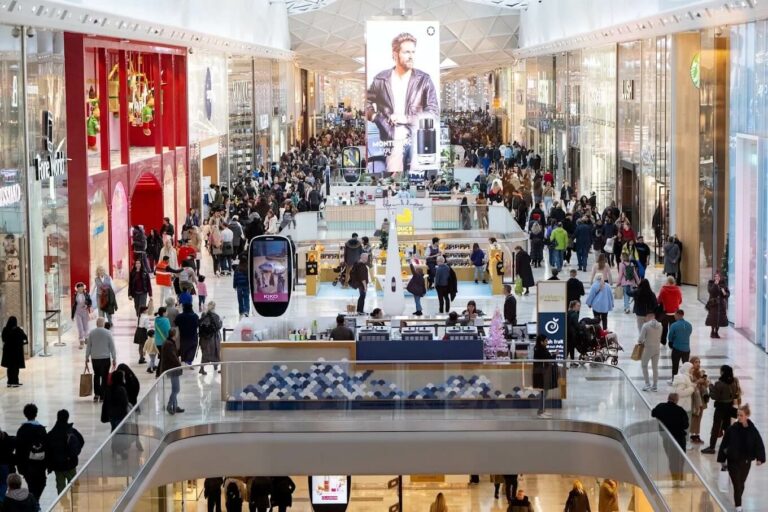
Bluewater opens its first new anchor since 1999. Next takes the former House of Fraser space with about 132,000 square…

Opening in IMAX 70mm on July 17, 2026: Christopher Nolan's The Odyssey. Select shows went on sale one year in…

European retail is scaling AI, agentic commerce and retail media, but consumer trust is becoming the constraint. Four structural shifts…
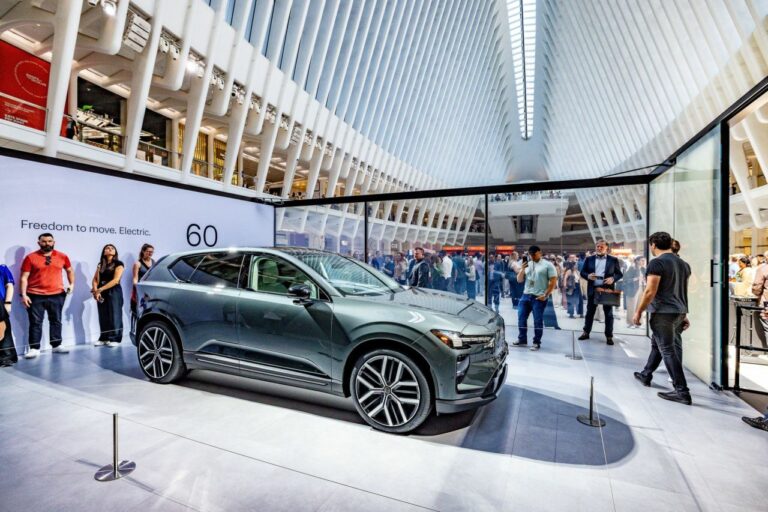
Mall operators are no longer leasing space for pop-ups. They are selling audience access.
