
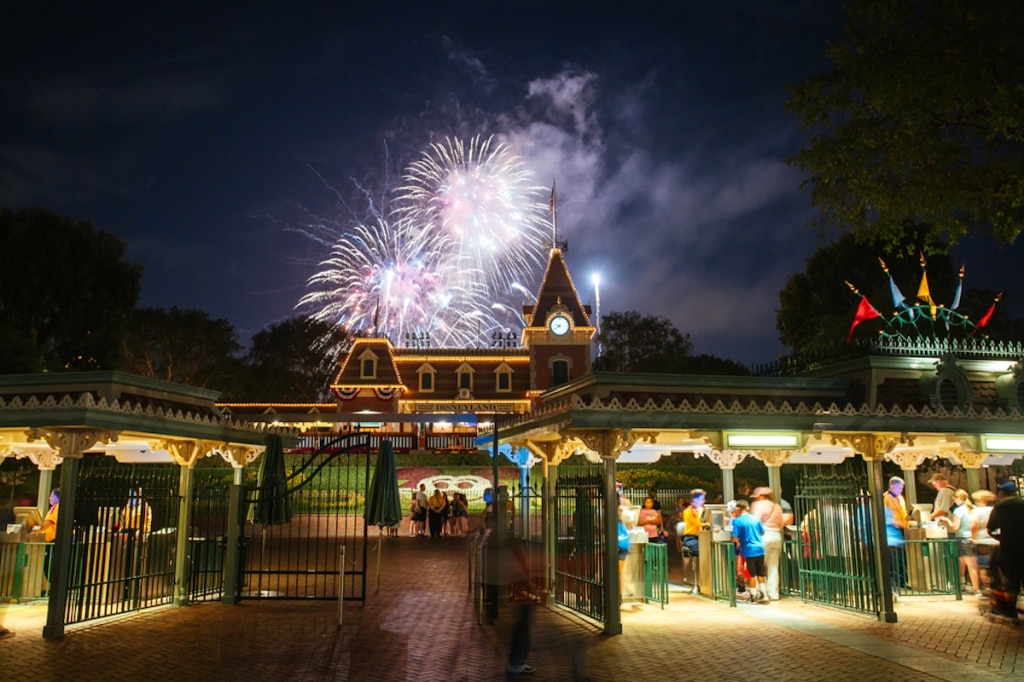
Disneyland and other large theme parks have been closed since March, which upsets tourists and deprives thousands of employees of their jobs.
The question of when the large-scale theme parks, which attract tourists from all over the world, will open to the public is quite acute right now. And finally, the California authorities, where such entertainment monsters as Universal Studios Hollywood and Disneyland are located, have clarified this question.
The primary condition for opening large parks was that the park’s area fell into the so-called “yellow” zone. It means reducing the level of coronavirus COVID-19 disease in the area and taking the situation under control.
There are four such zones in total. At the same time, Orange County, where Disneyland is situated, is currently on the “red” or second level. Los Angeles County, where Universal Studios Park is located, is on the “purple” status, which means more coronavirus cases and, accordingly, stricter restrictions.
Switching to the “yellow” level means that for 100,000 residents, there was less than one case per day, and the test positiveness rate did not exceed 2 percent. This process may also take several months, even if the situation is favorable.
Ken Potrock, Disneyland Resort President, called this decision unjustified and inoperable. He drew attention to the point that the authorities ignore the fact that the company’s parks in different countries could open while maintaining strict safety and health standards for visitors. In particular, such as the mandatory wearing of masks and partial occupancy. He also stressed that other businesses and government agencies could resume their work. He emphasized that they apply entirely different standards to the parks.
Photo credit: Depositphotos.com.
Gross margins and selected profit metrics for Coach, Pop Mart, lululemon, Miniso, Five Below, TJX and Costco, plus where each…
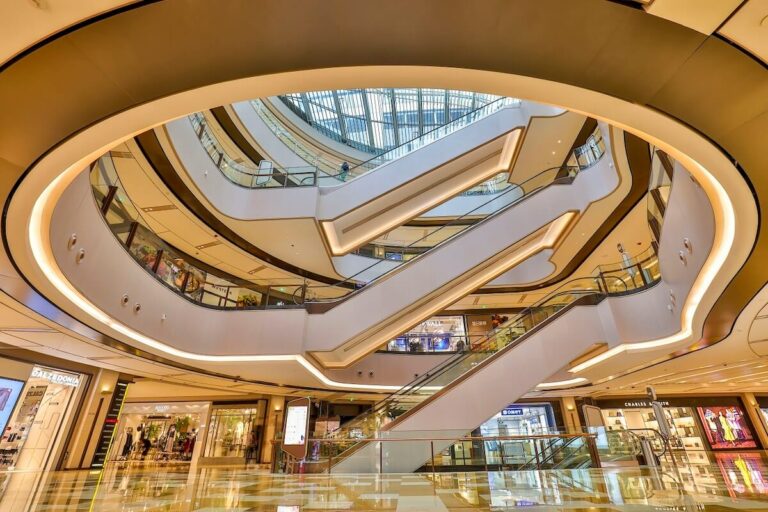
NikeSKIMS, Birkenstock and Starbucks Reserve chose HKRI Taikoo Hui for major China debuts. Why the Shanghai complex keeps winning new…
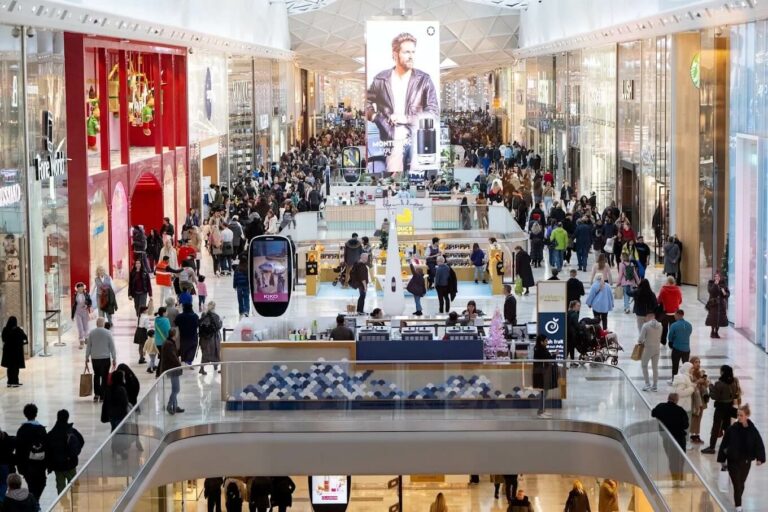
Bluewater opens its first new anchor since 1999. Next takes the former House of Fraser space with about 132,000 square…
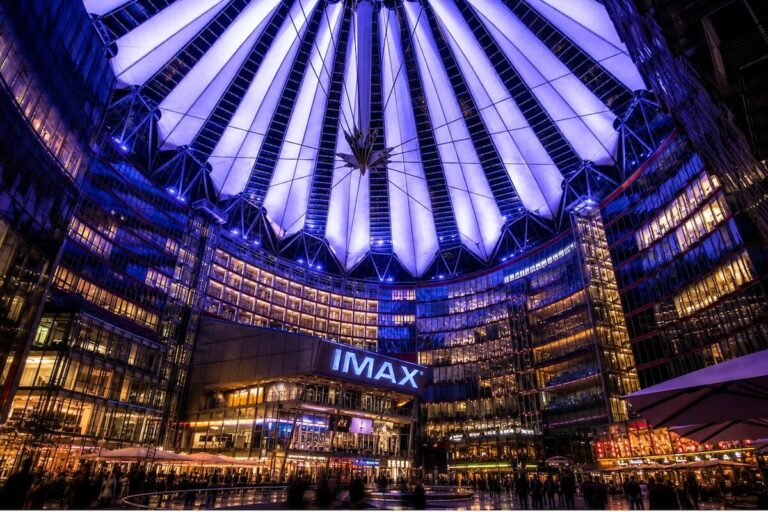
Opening in IMAX 70mm on July 17, 2026: Christopher Nolan's The Odyssey. Select shows went on sale one year in…

European retail is scaling AI, agentic commerce and retail media, but consumer trust is becoming the constraint. Four structural shifts…

Mall operators are no longer leasing space for pop-ups. They are selling audience access.
