

A company that specializes in creating custom-made furniture has raised an impressive amount of investment in additional funding.
The startup DTC Tylko specializes in the production of custom-made furniture. And having a unique augmented reality app allows customers to pre-visualize the product of their choice in the space of their own home before placing an order. Since its founding in 2015, the company has managed to earn about $39 million and served about 60,000 customers. Interestingly, that the start-up is based in Eastern Europe, specifically Warsaw.
Recently, when consumers could no longer actively visit furniture stores, demand for the company’s offerings jumped by 132%. It allowed DTC Tylko to raise $26 million in additional funding without much trouble.
The company said it plans to use the investment to create new environmentally friendly and durable materials. It also plans to optimize its delivery, packaging, and logistics processes; and expand its employees’ network. And, of course, improved use of augmented reality, space recognition, and other technical tools. The range of products presented will also be expanded.
The success story of DTC Tylko shows how important it is for any company today to be consumer-oriented. Only those who win are willing to work directly with their customers and offer them exciting products and services.
DTC Tylko is not the only company offering a virtual “try-on” of furniture before purchasing a piece of furniture. Sellers such as Wayfair, Target, and IKEA have also introduced augmented reality tools to help shoppers select and buy items. Amazon is also actively working in this direction, and most recently, Snapchat bought the developers of Fit Analytics virtual clothing fitting technology.
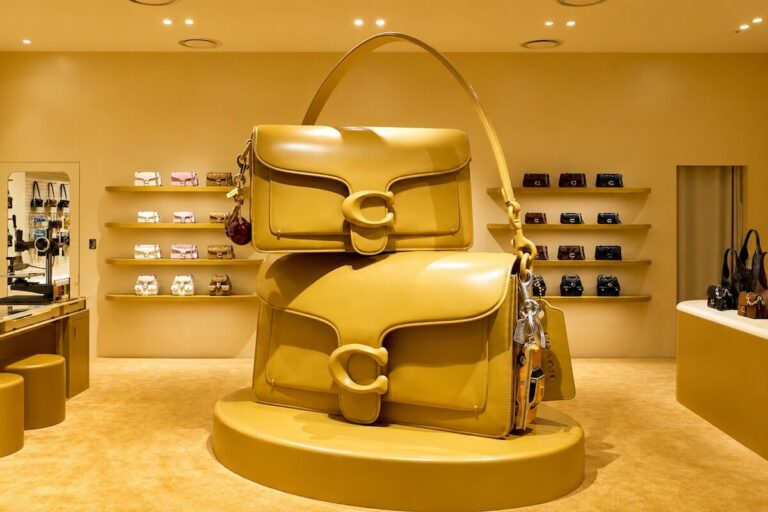
Gross margins and selected profit metrics for Coach, Pop Mart, lululemon, Miniso, Five Below, TJX and Costco, plus where each…
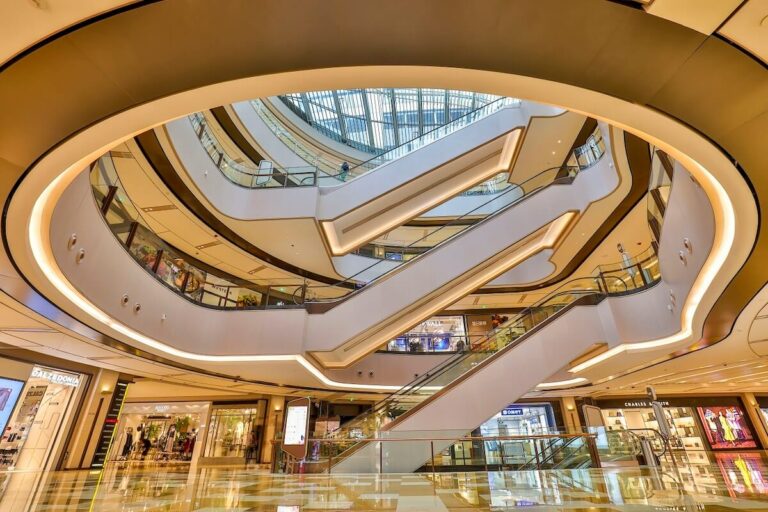
NikeSKIMS, Birkenstock and Starbucks Reserve chose HKRI Taikoo Hui for major China debuts. Why the Shanghai complex keeps winning new…
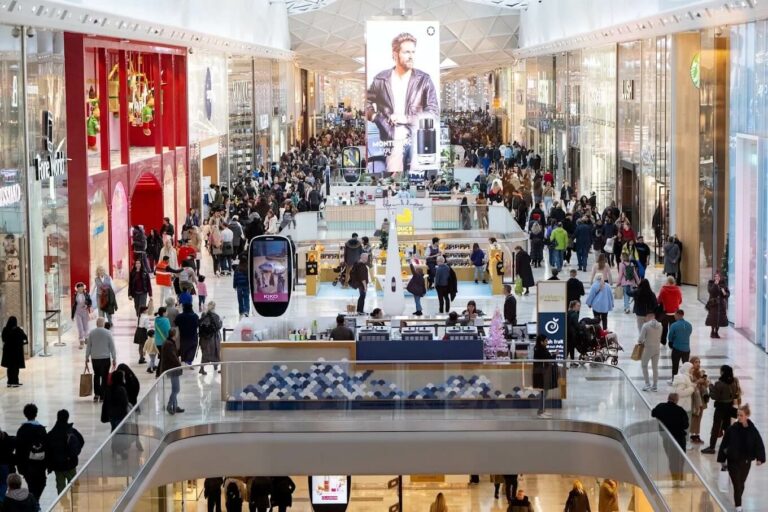
Bluewater opens its first new anchor since 1999. Next takes the former House of Fraser space with about 132,000 square…

Opening in IMAX 70mm on July 17, 2026: Christopher Nolan's The Odyssey. Select shows went on sale one year in…

European retail is scaling AI, agentic commerce and retail media, but consumer trust is becoming the constraint. Four structural shifts…

Mall operators are no longer leasing space for pop-ups. They are selling audience access.
