

The weakening of quarantine measures has pushed buyers to spend more on luxury goods, a particularly strong Asian region trend.
Luxury conglomerate LVMH reported its results for the third quarter of 2020. The results were surprisingly optimistic for many analysts, resulting in a 7% increase in French holding.
As the report showed, cosmetics and perfume sales fell by 16% and elite alcohol sales by 3%. Though it recorded a fall in sales, it turned out to be better than forecasted. The main reason for the decline in alcohol sales was selling such products in Duty-Free stores at airports and through such channels. According to experts, cosmetics have fallen in value because most people regularly wear masks that cover their faces.
There was quite unexpectedly recorded a 12% increase in sales for such a product category as leather goods, mainly handbags such as Louis Vuitton and Christian Dior. The most significant surge of interest in luxury goods is noticeable in the Asia-Pacific region. After the pandemic, the Chinese market is already beginning to recover. At the same time, Japan recorded a significant increase in sales by 13% in the third quarter.
European buyers, albeit to a lesser extent, are also expressing interest in luxury goods. For some, it’s probably a way to get away from the frightening reality and treat themselves to a second wave of restrictions. In contrast, it’s an opportunity to invest in luxury goods that will always be in the price for others.
Photo credit: depositphotos.com.
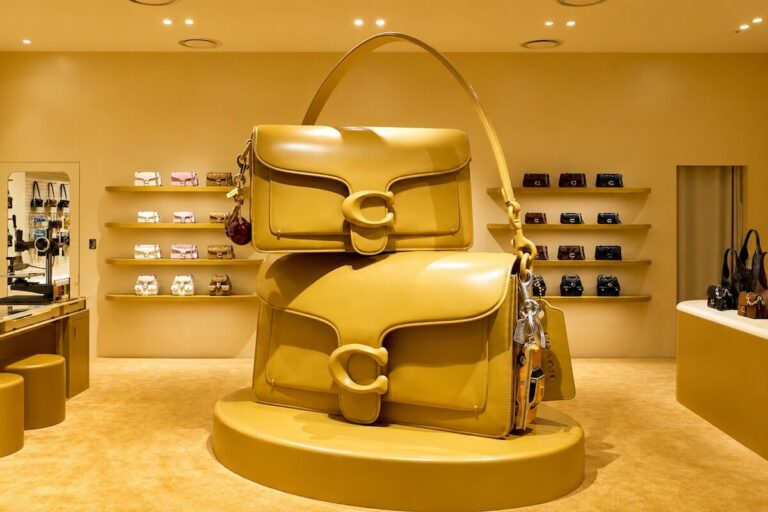
Gross margins and selected profit metrics for Coach, Pop Mart, lululemon, Miniso, Five Below, TJX and Costco, plus where each…
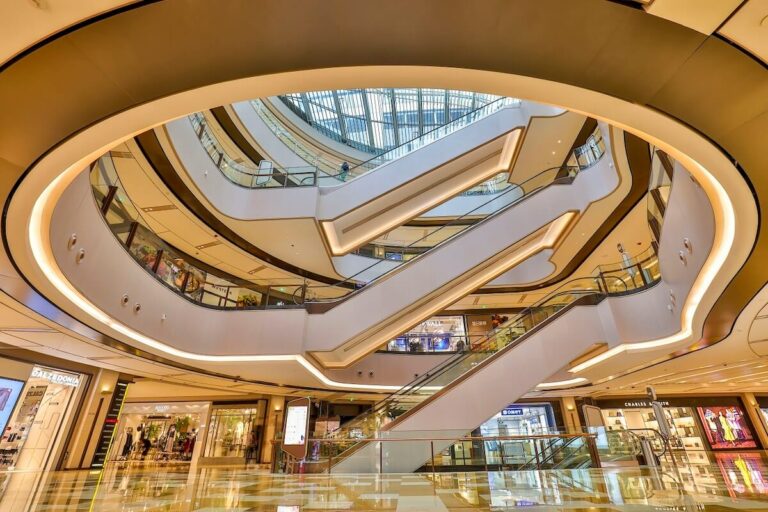
NikeSKIMS, Birkenstock and Starbucks Reserve chose HKRI Taikoo Hui for major China debuts. Why the Shanghai complex keeps winning new…
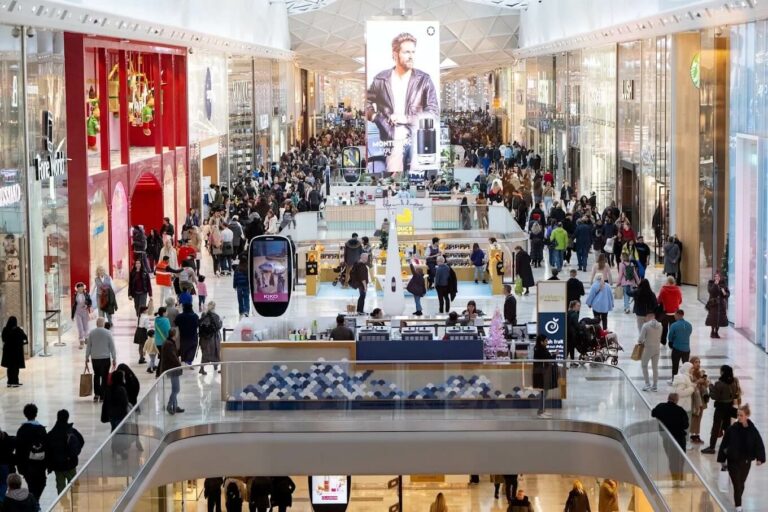
Bluewater opens its first new anchor since 1999. Next takes the former House of Fraser space with about 132,000 square…
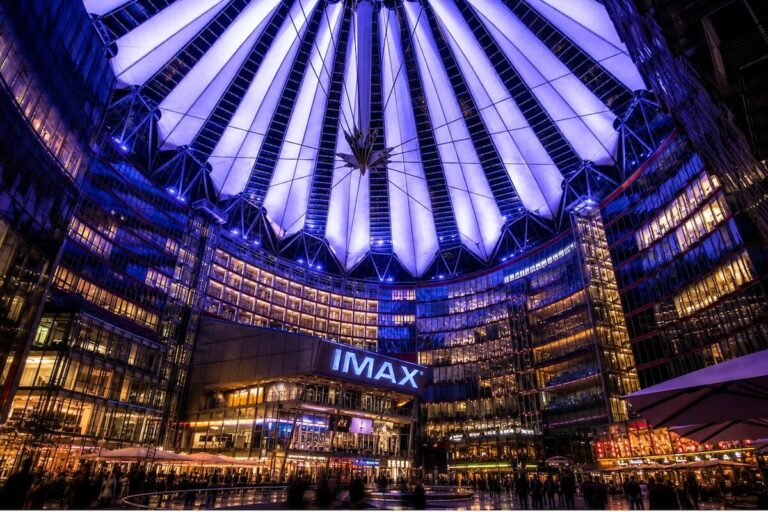
Opening in IMAX 70mm on July 17, 2026: Christopher Nolan's The Odyssey. Select shows went on sale one year in…

European retail is scaling AI, agentic commerce and retail media, but consumer trust is becoming the constraint. Four structural shifts…
Mall operators are no longer leasing space for pop-ups. They are selling audience access.
