

German grocery giant Aldi has agreed to acquire about 400 Winn-Dixie and Harveys Supermarket stores in the US market.
German grocery giant Aldi has agreed to acquire about 400 Winn-Dixie and Harveys Supermarket stores in the US market. Some will be rebranded to Aldi, while others will continue to operate under their own brands.
Thanks to the deal Aldi will significantly strengthen its position in the southern United States. Following the ownership transition, the company will gain hundreds of outlets in Florida, Alabama, Georgia, Louisiana and Mississippi.
“It’s time to build on our growth momentum and help people in the Southeast save money on groceries,” said Aldi CEO Jason Hart. “The transaction supports our long-term growth strategy across the U.S.”
The acquisition of Winn-Dixie and Harveys is expected to close in the first half of 2024. Aldi has invested $2.5 billion in the U.S. since opening its first store in the ’90s.The retailer’s immediate plans include opening 120 more stores and growing the chain to 2,400 locations.
“This merger agreement is a testament to our successful transformational journey and the tireless work of our dedicated associates who serve our communities,” said Southeastern CEO Anthony Hucker. “ALDI shares our vision to provide exceptional quality, service and value – and this unique opportunity will evolve our business to benefit our customers, associates and neighbors throughout the Southeast.”
Southeastern Grocers, which operates the Winn-Dixie and Harveys Supermarket businesses, has fallen hard in recent years. In 2008 it filed for bankruptcy and around 100 supermarkets were closed. It is known that another 28 Fresco y Más stores will be sold as part of another deal.
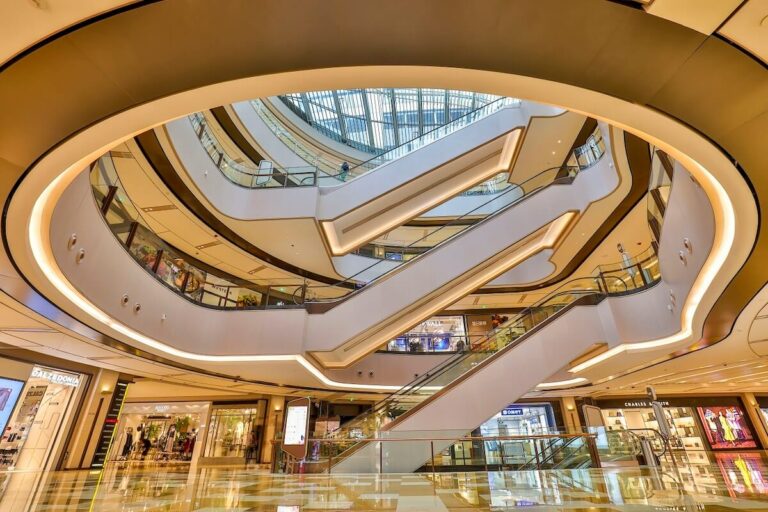
NikeSKIMS, Birkenstock and Starbucks Reserve chose HKRI Taikoo Hui for major China debuts. Why the Shanghai complex keeps winning new…
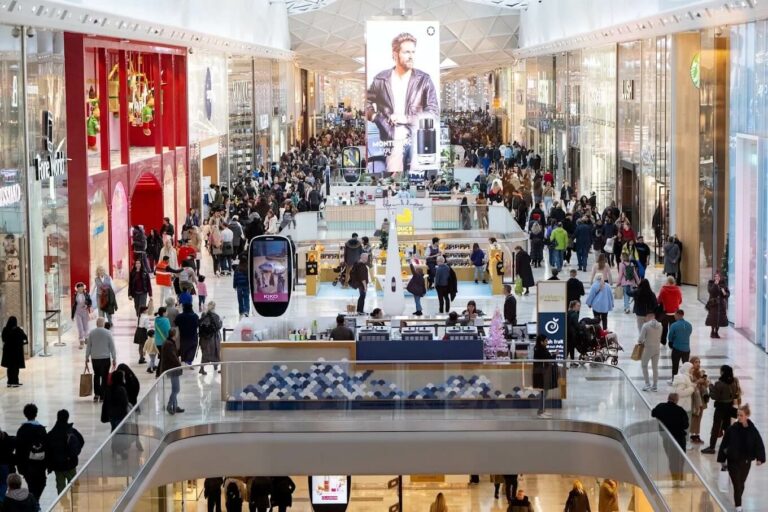
Bluewater opens its first new anchor since 1999. Next takes the former House of Fraser space with about 132,000 square…
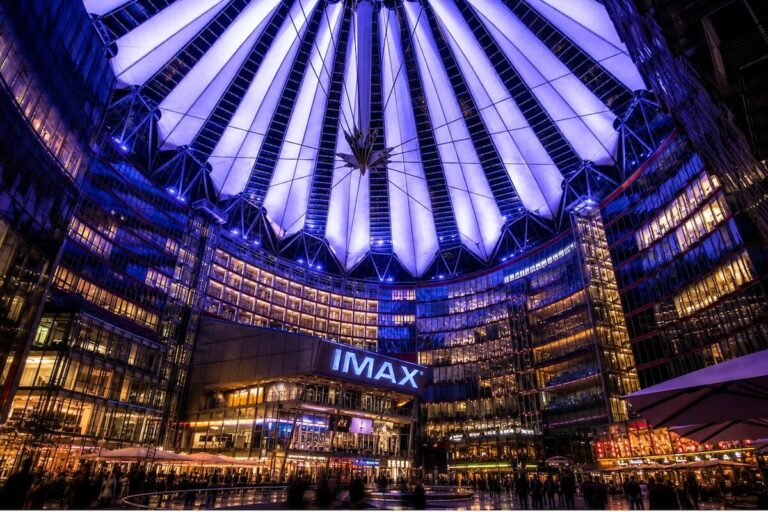
Opening in IMAX 70mm on July 17, 2026: Christopher Nolan's The Odyssey. Select shows went on sale one year in…

European retail is scaling AI, agentic commerce and retail media, but consumer trust is becoming the constraint. Four structural shifts…
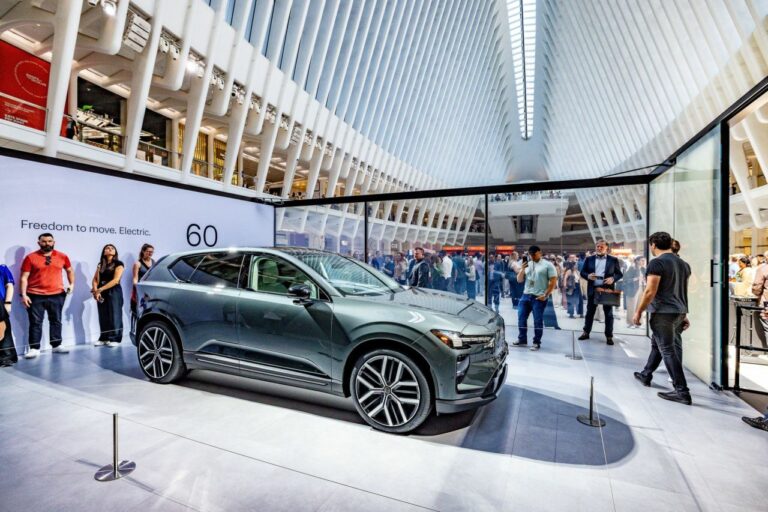
Mall operators are no longer leasing space for pop-ups. They are selling audience access.
Physical stores still drive most retail sales, fulfill online orders, support AI shopping, and help brands return to market.
