

The growing popularity of hiking and skiing has forced the German sportswear and footwear giant to focus on this area.
A change in buying habits due to the pandemic affects many areas, and sports are no exception. People who prefer an active lifestyle are increasingly interested in various outdoor activities such as long walks, skiing, etc. As opposed to group activities in gyms or team games like soccer, activities that can be done outdoors individually are gaining popularity.
Major brands can’t stay away from the growing market, and Adidas was no exception. The German company is the second-largest manufacturer of sportswear in the world, second only to Nike. As for the demand for outdoor sportswear, Adidas is only “in sixth or seventh place,” according to CEO Kasper Rohrsted, as quoted by the Financial Times.
Adidas intends to strengthen its position in this market and place itself on a par with such major players as The North Face, Patagonia, and Arc’teryx. It is reported that by the end of 2025, the company plans to become one of the top four global brands of clothing and accessories for outdoor activities and sports.
Adidas already offers outdoor activity products such as Terrex Waterproof Jackets and outdoor Boots. The company plans to expand its offering and provide a full range of outdoor wear and footwear.
While reinforcing its presence in the outdoor sportswear market, Adidas simultaneously reduces development in several other areas. In particular, we are talking about some niche sports such as lacrosse and cricket.

The vendors and deployments behind shopping advice, store navigation and retail operations, with a closer look at what it takes…
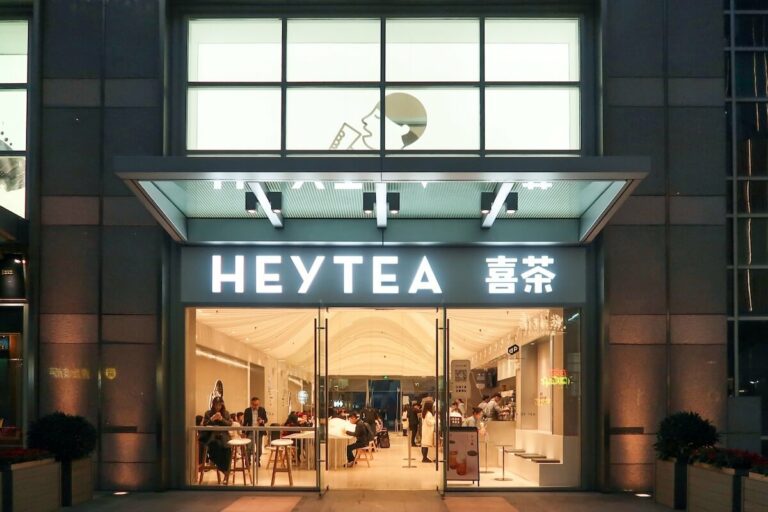
Miss A, Rowan and HEYTEA are on US mall opening lists in fall 2026. Their public records show what each…

Gross margins and selected profit metrics for Coach, Pop Mart, lululemon, Miniso, Five Below, TJX and Costco, plus where each…

NikeSKIMS, Birkenstock and Starbucks Reserve chose HKRI Taikoo Hui for major China debuts. Why the Shanghai complex keeps winning new…

Bluewater opens its first new anchor since 1999. Next takes the former House of Fraser space with about 132,000 square…
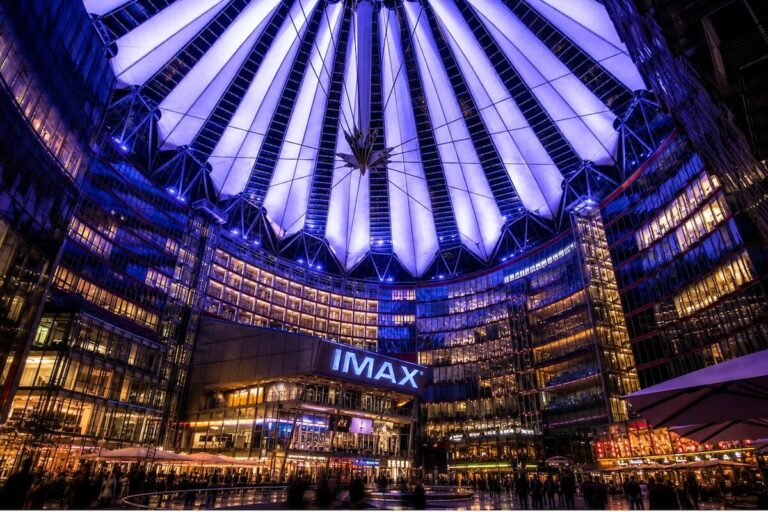
Opening in IMAX 70mm on July 17, 2026: Christopher Nolan's The Odyssey. Select shows went on sale one year in…
