

It has been reported that the designer has applied for registration of the trademark YZYSPLY.
The Yeezy brand is a collection of apparel and accessories that Kanye West sells under the Yeezy brand, and he may open a retail chain to sell those items. News agencies reported that the designer had applied for registration of the trademark YZYSPLY.
According to the latest reports, West’s subsidiary Mascotte Holdings Inc. filed an application with the U.S. Patent and Trademark Office in late June. The brand is to be registered under the classes “online store” and “retail store.” The documents indicate that the brand will specialize in the sale of clothing, footwear and accessories – from underwear, swimwear and T-shirts to sneakers and outerwear.
There has been no official comment from West’s representatives regarding the possibility of creating a retail chain, at least as far as we know. According to rumors, the designer has plans to expand his fashion empire, Yeezy, by collaborating with brands like Gap and Adidas in order to expand his global reach.
This brand has been created as a result of a collaboration between Kanye West and Adidas in 2015 which resulted in the Yeezy line. The brand became world famous for its high-end, limited-edition Yeezy Boost sneaker models. In 2021, Yeezy began to collaborate with Gap, releasing its first collaborative clothing collection. Yeezy sneakers sold for $1.7 billion in 2020 and brought West about $200 million.
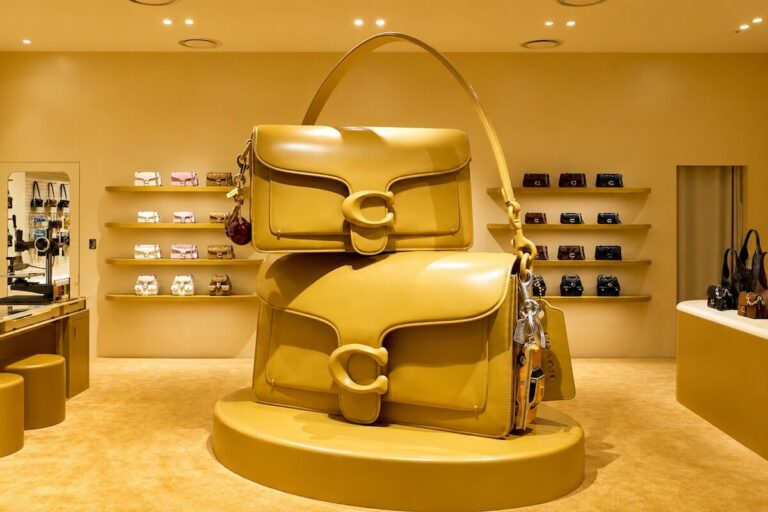
Gross margins and selected profit metrics for Coach, Pop Mart, lululemon, Miniso, Five Below, TJX and Costco, plus where each…
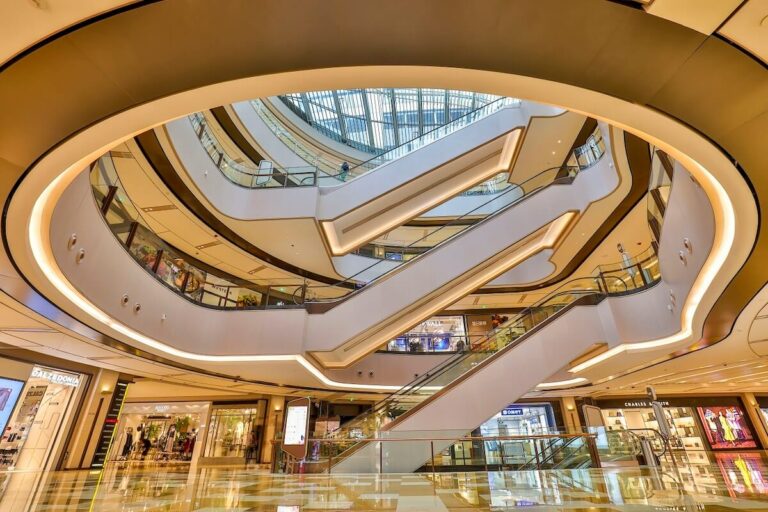
NikeSKIMS, Birkenstock and Starbucks Reserve chose HKRI Taikoo Hui for major China debuts. Why the Shanghai complex keeps winning new…
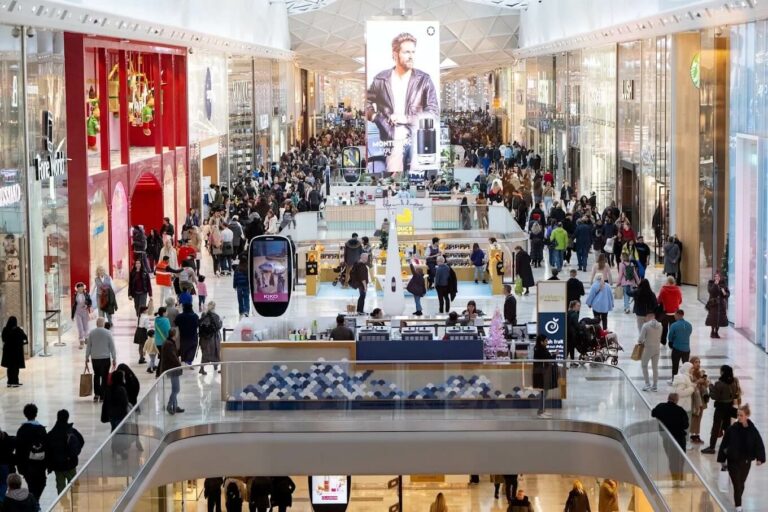
Bluewater opens its first new anchor since 1999. Next takes the former House of Fraser space with about 132,000 square…
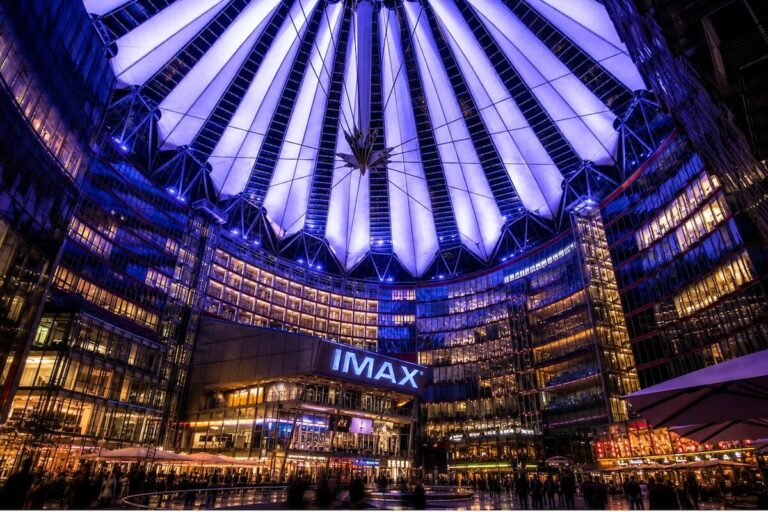
Opening in IMAX 70mm on July 17, 2026: Christopher Nolan's The Odyssey. Select shows went on sale one year in…

European retail is scaling AI, agentic commerce and retail media, but consumer trust is becoming the constraint. Four structural shifts…
Mall operators are no longer leasing space for pop-ups. They are selling audience access.
