

The owner of Zara, Inditex, has seen a dramatic online sales increase of
42% to reach a record figure of €553m (£442m), even though other
fashion chains continue to struggle.
Consumer
spending in Spain has decline over the past few years, but the group,
which also owns Stradivarius, Pull & Bear and Massimo Dutti,
appears to have outwitted the recession. The company has reported an
increase in turnover, from €15.9bn last year to €16.7bn this
year.
The
group’s online sales accounts for only 3% of its overall sales, but
it is responsible for 20% of the growth over the past 12 months.
This information was obtained from its annual reports as the
investors are not offered separate figures for online sales.
Inditex
commenced its online offerings during 2007 when it opened a website
for Zara Home. During 2011, it set up Fashion Retail to include all
its brands online. Its online operations currently extend to 27
countries.
The
group surprised the industry last month, by its appointment of
31-year-old Maria Fanjul as the head of its global online operations.
Fanjul previously held the role of chief executive at entradas.com,
which is the biggest online ticketing agency in Spain.
Inditex
launched the Zara website in China last month, on the Tmall platform,
which is a subsidiary of Alibaba, the top Chinese e-commerce group.
Other retailers on this platform include Gap, Calvin Klein and
Burberry. The group already had a Chinese Zara website, which is
responsible for about 8% of its sales, but it was almost invisible to
the Tmall users.

Gross margins and selected profit metrics for Coach, Pop Mart, lululemon, Miniso, Five Below, TJX and Costco, plus where each…

NikeSKIMS, Birkenstock and Starbucks Reserve chose HKRI Taikoo Hui for major China debuts. Why the Shanghai complex keeps winning new…
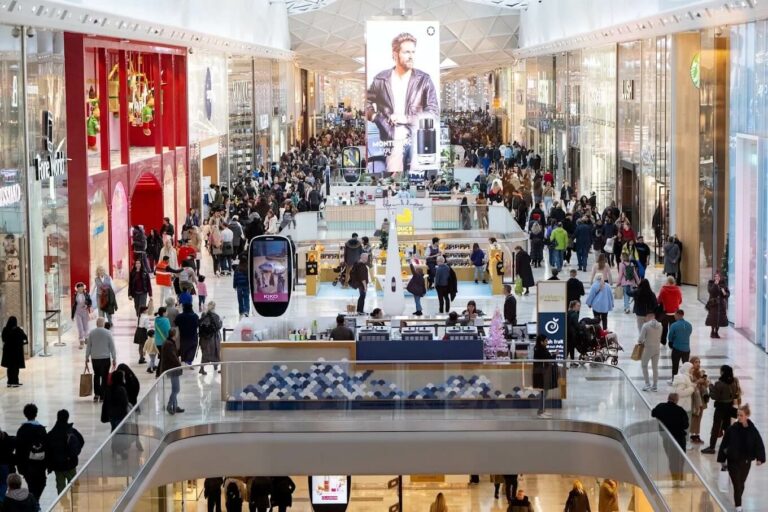
Bluewater opens its first new anchor since 1999. Next takes the former House of Fraser space with about 132,000 square…

Opening in IMAX 70mm on July 17, 2026: Christopher Nolan's The Odyssey. Select shows went on sale one year in…

European retail is scaling AI, agentic commerce and retail media, but consumer trust is becoming the constraint. Four structural shifts…

Mall operators are no longer leasing space for pop-ups. They are selling audience access.
