Many thought that the recession would end consumers’ obsession with luxury goods.
Although shoppers now have to give due consideration to what they purchase, they are still prepared to spend the extra amounts for luxury goods. Shoppers have become smarter spenders and this has affected the luxury retail market.
This shift in shopper behavior has made retailers reconsider their place in the market. They have started paying more attention to the locations of their stores. To open a flagship store involves a huge investment and all the main UK cities are trying to attract the big brands. The location has to offer something different and the importance of putting luxury brands into a mass cluster has gained importance.
London is still the top luxury retail destination for tourists, but the regional growth is increasing as retailers consider moving to particular areas around the large cities in the UK, where they can gain access to consumers who are looking for luxury accessories.
Research conducted by Hammerson and Drapers offers a compelling view from consumers on their methods of luxury shopping. The research clearly shows that the UK is still a world leader in the department store category as they have the top position in locations for the purchase of luxury goods. There has been huge investment in store quality and the desire to gain the top premium brands. This ensures that, for consumers, the retail activity remains exciting and new.
This small insight shows the opportunities available for luxury brands and locations which will capture the loyalty of shoppers through outstanding in-store and online experiences.
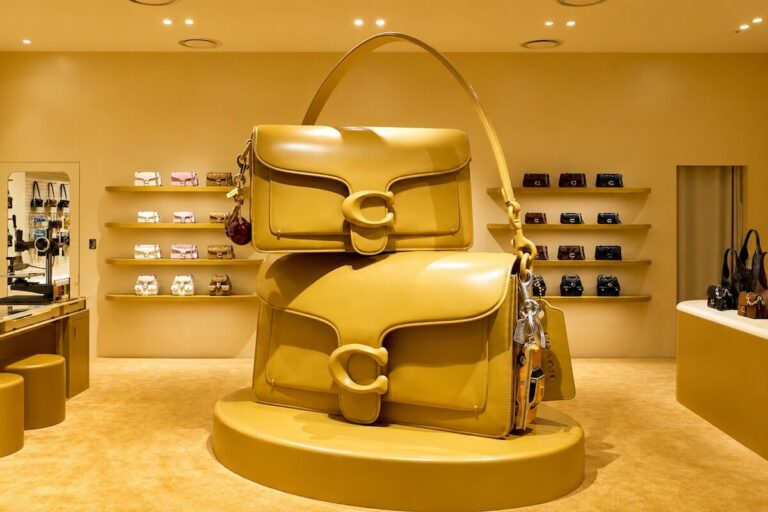
Gross margins and selected profit metrics for Coach, Pop Mart, lululemon, Miniso, Five Below, TJX and Costco, plus where each…
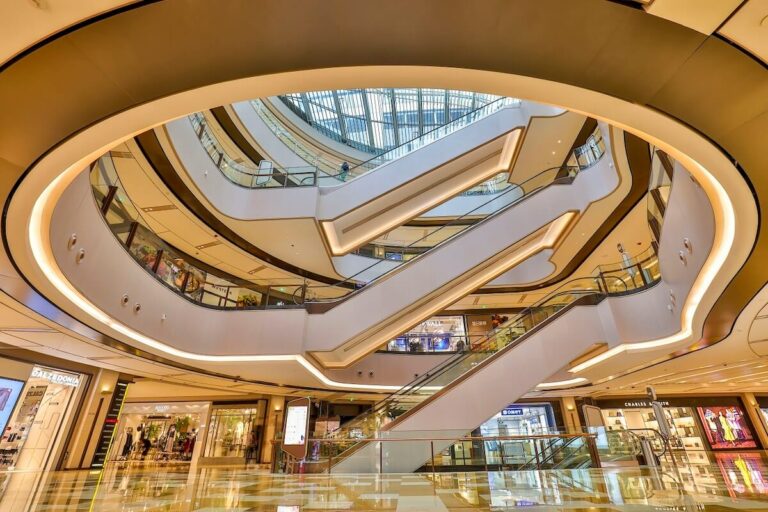
NikeSKIMS, Birkenstock and Starbucks Reserve chose HKRI Taikoo Hui for major China debuts. Why the Shanghai complex keeps winning new…
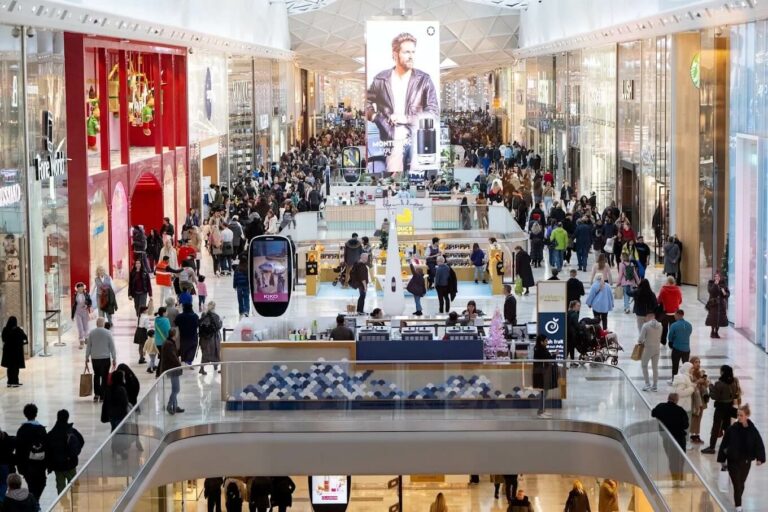
Bluewater opens its first new anchor since 1999. Next takes the former House of Fraser space with about 132,000 square…
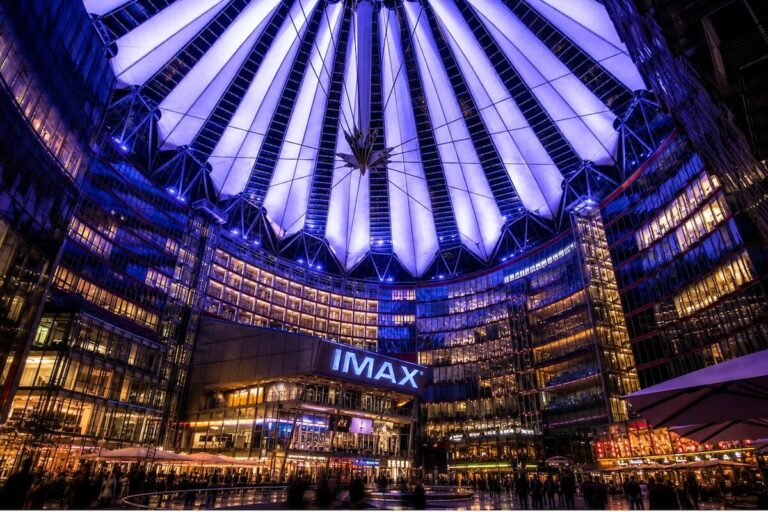
Opening in IMAX 70mm on July 17, 2026: Christopher Nolan's The Odyssey. Select shows went on sale one year in…

European retail is scaling AI, agentic commerce and retail media, but consumer trust is becoming the constraint. Four structural shifts…
Mall operators are no longer leasing space for pop-ups. They are selling audience access.