

The number of closures in the U.S. retail market will be 14% higher than in 2020.
The retail market crisis caused by the pandemic and restrictions will continue into 2021. Analysts at Coresight Research predict that about 10,000 retail stores will close in the next twelve months, a new record for the market.
Thus, according to the study, the number of closures in the U.S. retail market will be 14% higher than 2020. Experts estimate that about 4,000 stores will close under pressure from the growing segment of fixed-price stores and discounters.
Last summer, the analysts of Coresight predicted the closure of about 25,000 physical stores across the country, but their forecasts were ultimately not justified. By the end of the year, about 8,700 stores had left the market, while 3,300 new retail facilities were opened.
They noted that problems in the U.S. retail market for traditional retailers began even before the pandemic amid the development of e-commerce and customers’ exodus from physical stores and malls. In 2019, an all-time high of 9,832 stores left the market.
According to Deborah Weinswig, founder and CEO of Coresight, rolling out vaccination programs would likely lead to a partial recovery in-store sales. Still, the plans could take months to reach a broad consumer base. Many retailers won’t be able to wait that long and will be forced to close. In the first three weeks, 1,678 stores were announced to close in the United States, including those under the Bed Bath & Beyond, Macy’s, and J.C. Penney brands.
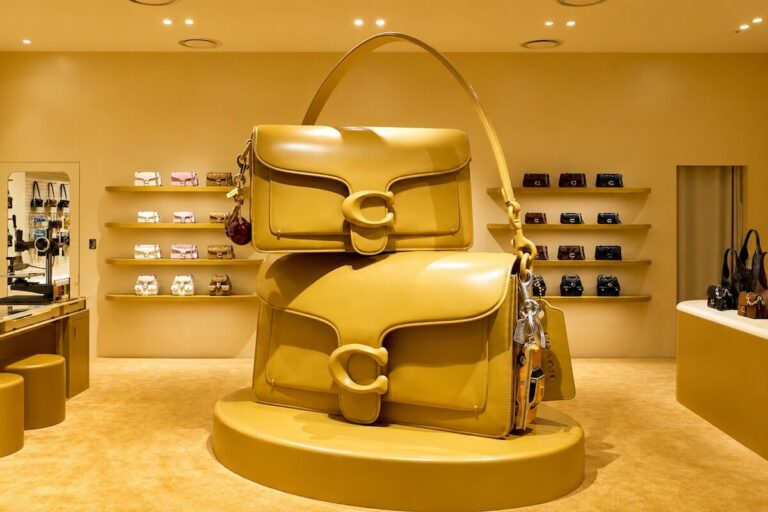
Gross margins and selected profit metrics for Coach, Pop Mart, lululemon, Miniso, Five Below, TJX and Costco, plus where each…
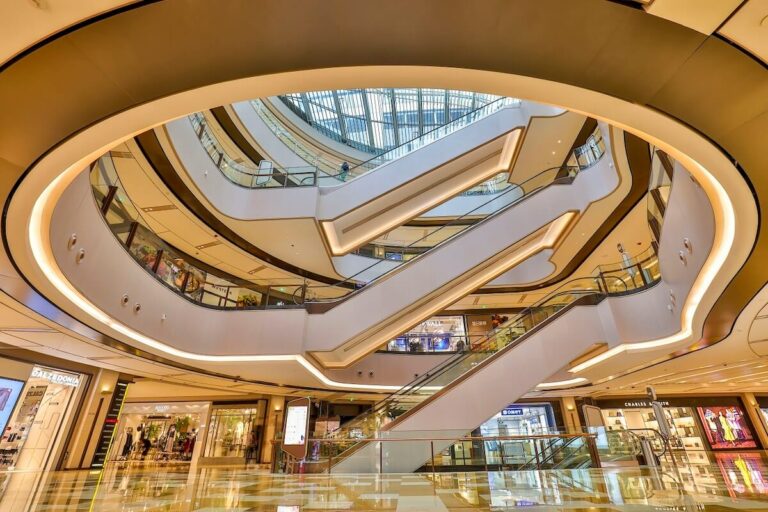
NikeSKIMS, Birkenstock and Starbucks Reserve chose HKRI Taikoo Hui for major China debuts. Why the Shanghai complex keeps winning new…
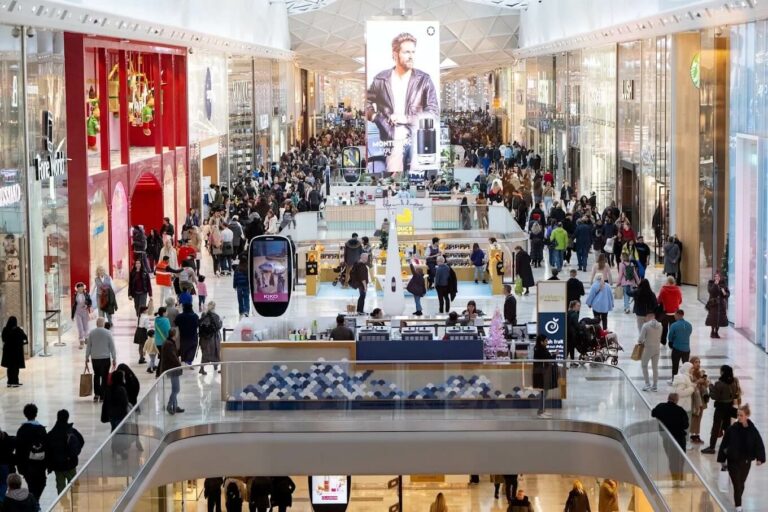
Bluewater opens its first new anchor since 1999. Next takes the former House of Fraser space with about 132,000 square…

Opening in IMAX 70mm on July 17, 2026: Christopher Nolan's The Odyssey. Select shows went on sale one year in…

European retail is scaling AI, agentic commerce and retail media, but consumer trust is becoming the constraint. Four structural shifts…

Mall operators are no longer leasing space for pop-ups. They are selling audience access.
