
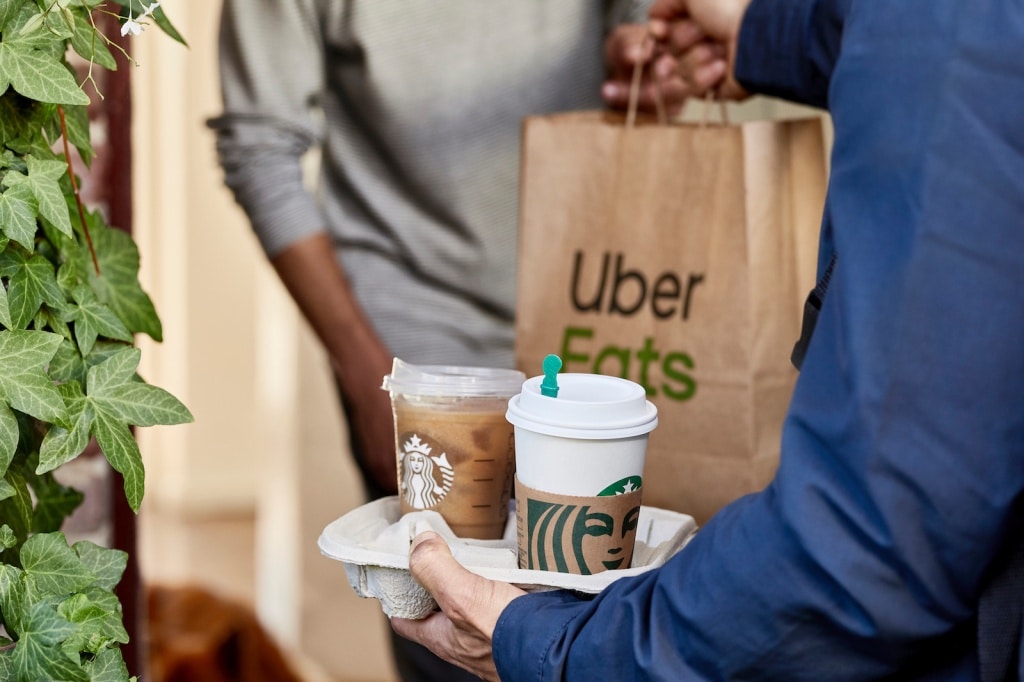
The project is being implemented on an exclusive basis with Uber Eats.
Starbucks has officially announced plans to develop its Starbucks Delivers delivery service, which will be launched throughout the US in 2020. The pilot of the new facility was first introduced in Miami in 2018 and then extended to 11 cities including Chicago, Seattle, New York, and Los Angeles. At the same time, Starbucks’ drinks and desserts could be ordered through the UberEats app, which offers 95% of the coffee menu. Now we are talking about a full-scale project, which will be implemented throughout the country.
“We are committed to creating new and unique digital technologies that are meaningful, valuable, and convenient for our customers,” said Rose Brewer, Starbucks President, and Chief Operating Officer. According to her, the partnership with Uber Eats will allow the company to take another step towards closer proximity to the customer “wherever they are.”
Especially for the expansion of the new delivery service, Starbucks will present special packaging for order transportation, which will allow the delivery of cold and hot products as close as possible to the usual temperature standards in Starbucks’ coffee houses.
As part of the new agreement, Starbucks and Uber Eats will also cooperate in the field of innovation and technology integration, paying particular attention to packaging, operations within coffee houses and fast delivery of orders at home, the company’s press office said. Starbucks Deliver is now available in the Uber Eats mobile app for iOS and Android devices.
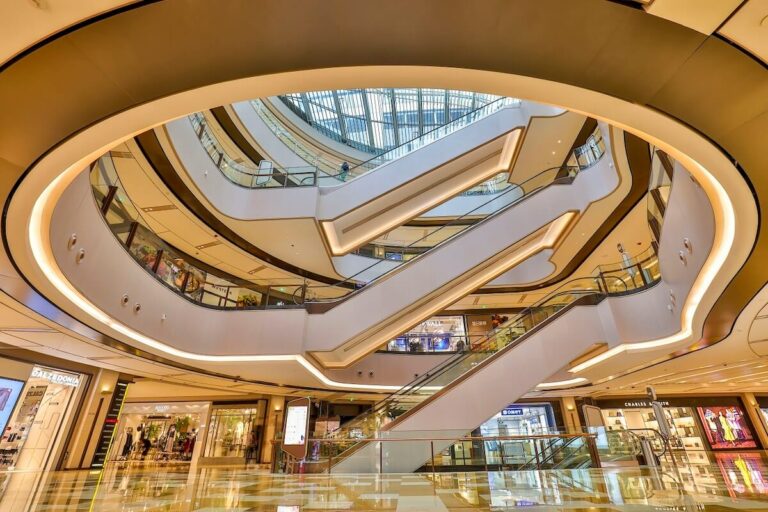
NikeSKIMS, Birkenstock and Starbucks Reserve chose HKRI Taikoo Hui for major China debuts. Why the Shanghai complex keeps winning new…
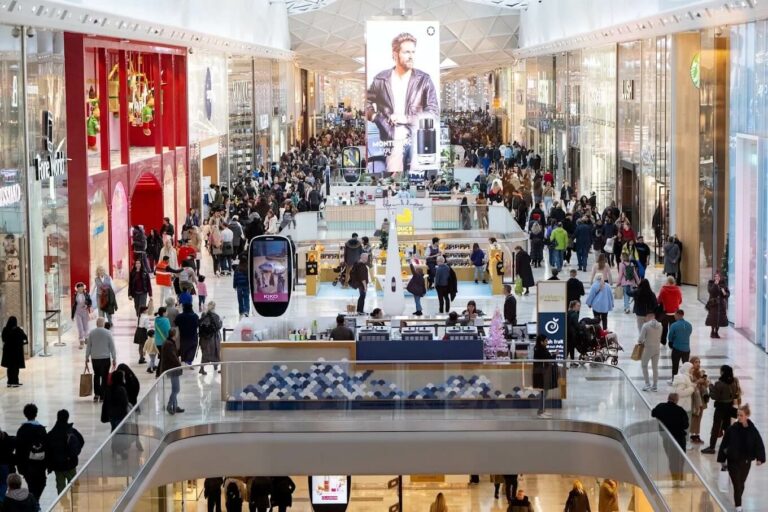
Bluewater opens its first new anchor since 1999. Next takes the former House of Fraser space with about 132,000 square…
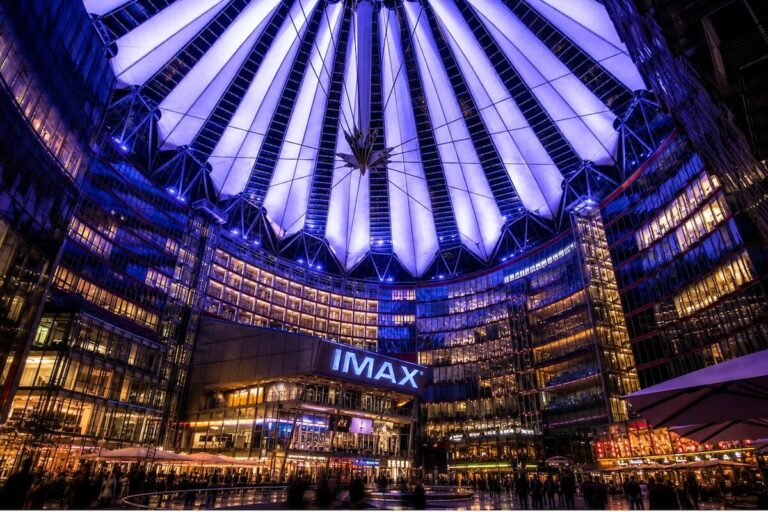
Opening in IMAX 70mm on July 17, 2026: Christopher Nolan's The Odyssey. Select shows went on sale one year in…
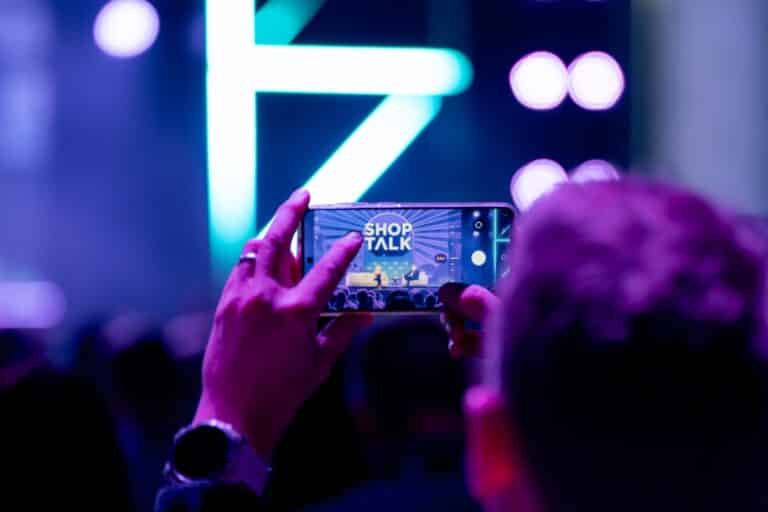
European retail is scaling AI, agentic commerce and retail media, but consumer trust is becoming the constraint. Four structural shifts…
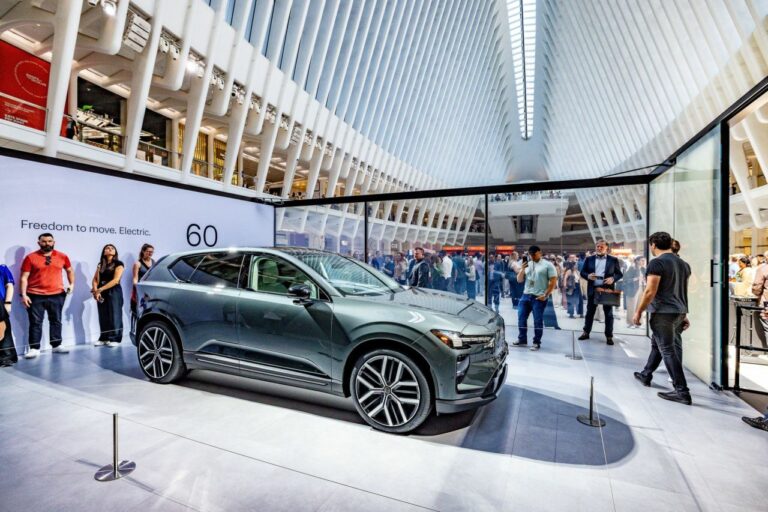
Mall operators are no longer leasing space for pop-ups. They are selling audience access.
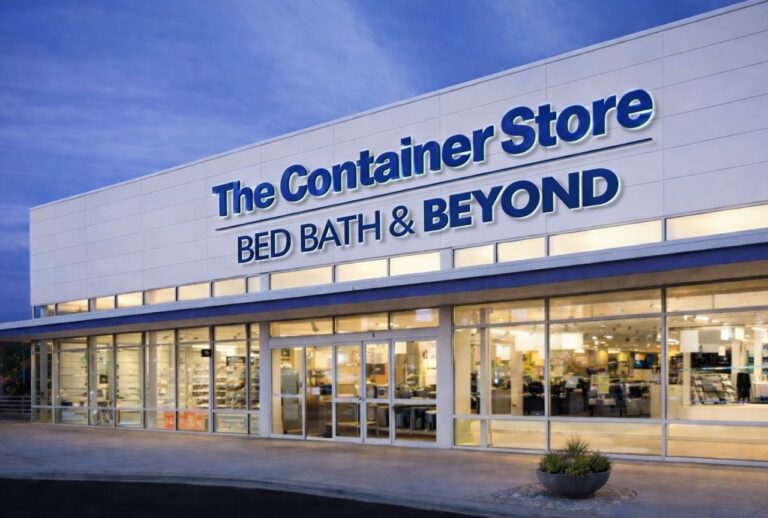
Physical stores still drive most retail sales, fulfill online orders, support AI shopping, and help brands return to market.
Verified signals on brand expansion, store openings, and mall development. Free.
Free · No credit card · Unsubscribe any time
