
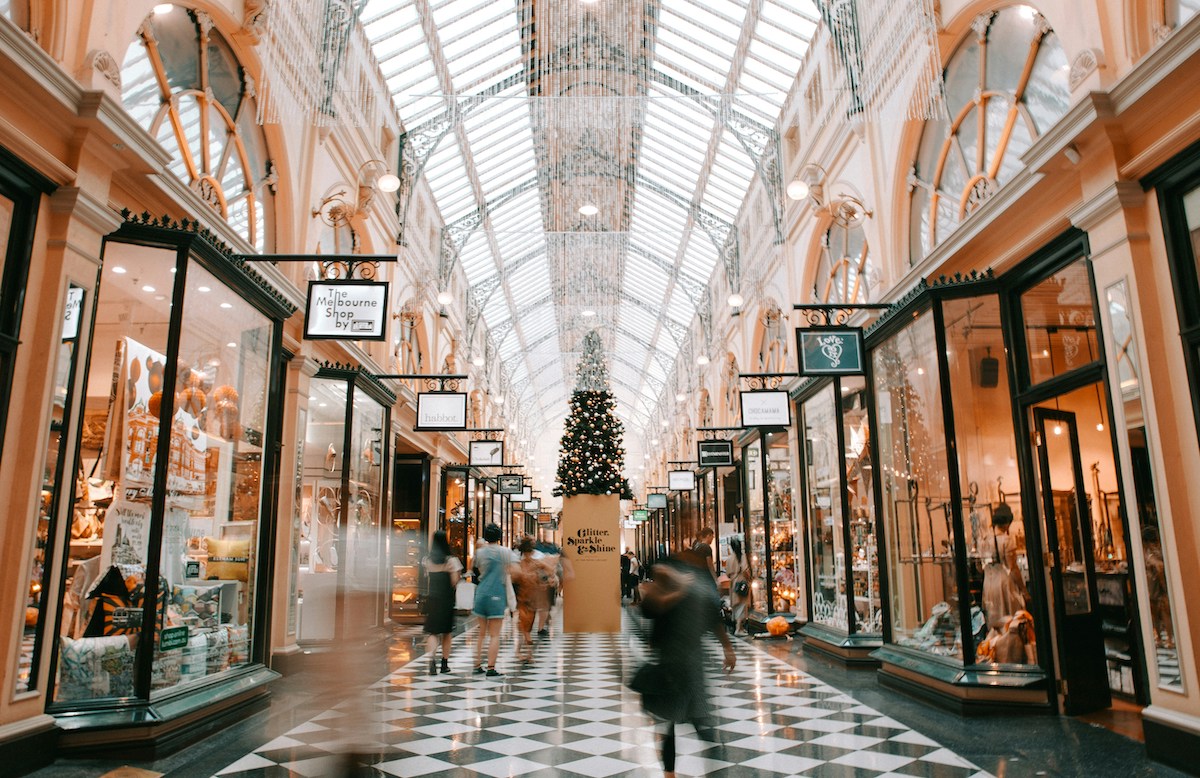
Simon Property Group announced significant gains in leasing activity, occupancy rates, and shopper traffic.
Simon Property Group announced significant gains in leasing activity, occupancy rates, and shopper traffic for the second quarter of 2024. The REIT signed over 1,400 leases during this period, with 30% of these deals representing new leasing activity. Shopper traffic increased by 5%, and retail sales volumes saw a rise of approximately 2%.
Record high net operating income
The company’s North American mall portfolio achieved its highest Q2 net operating income ever, reaching $1.3 billion, a 5.2% increase year-over-year. CFO Brian McDade attributed this success to ongoing leasing momentum, robust consumer spending, and operational efficiency.
Challenges in lower-income retail segments
Despite the overall positive performance, Simon Property Group faced difficulties with its retail portfolio, particularly those brands catering to lower-income shoppers. Net operating income from brands managed by Sparc Group, including J.C. Penney and Forever 21, declined sharply. This segment’s net operating income fell by 76% to $6.5 million, reflecting challenges in the lower-income market.
Market response and future outlook
CEO David Simon downplayed concerns from recent stock market fluctuations, noting that affluent consumers remain active. He suggested that while lower-income consumers have faced economic hardships, they are expected to benefit from falling prices. However, this market segment’s struggles are impacting brands like those under Sparc Group, which also includes Aéropostale and other retail names.
Simon Property Group had previously invested in Authentic Brands Group, a co-owner of Sparc, but divested its stake in the brand-management firm last quarter.
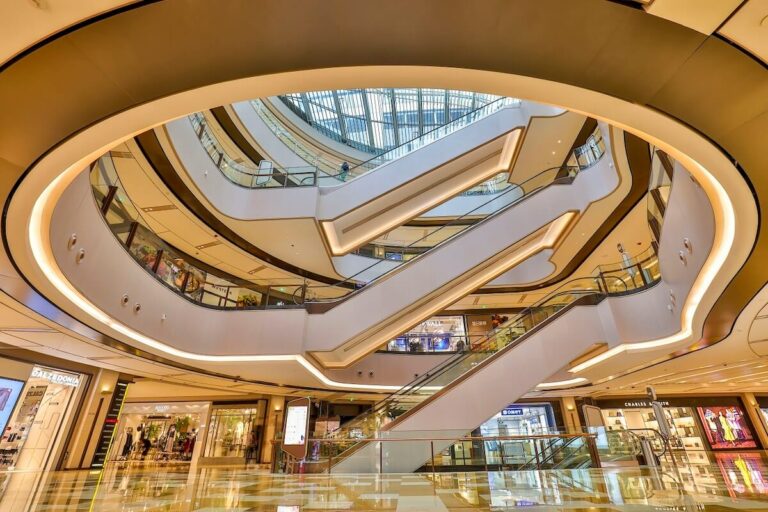
NikeSKIMS, Birkenstock and Starbucks Reserve chose HKRI Taikoo Hui for major China debuts. Why the Shanghai complex keeps winning new…
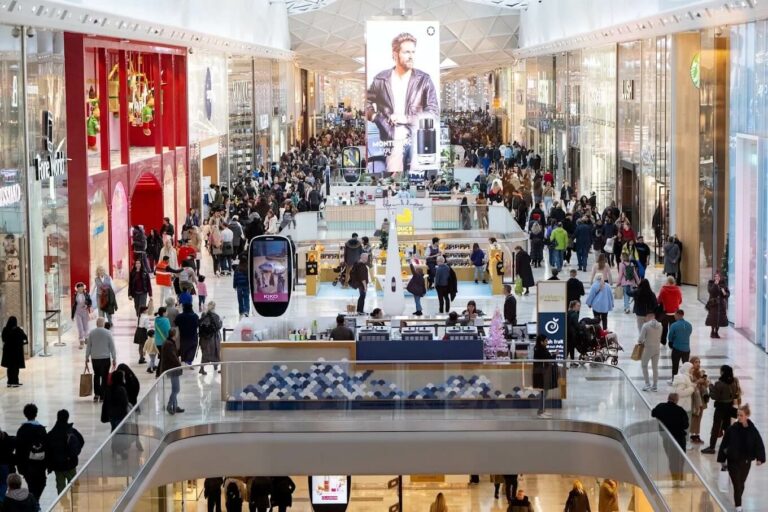
Bluewater opens its first new anchor since 1999. Next takes the former House of Fraser space with about 132,000 square…
Opening in IMAX 70mm on July 17, 2026: Christopher Nolan's The Odyssey. Select shows went on sale one year in…

European retail is scaling AI, agentic commerce and retail media, but consumer trust is becoming the constraint. Four structural shifts…
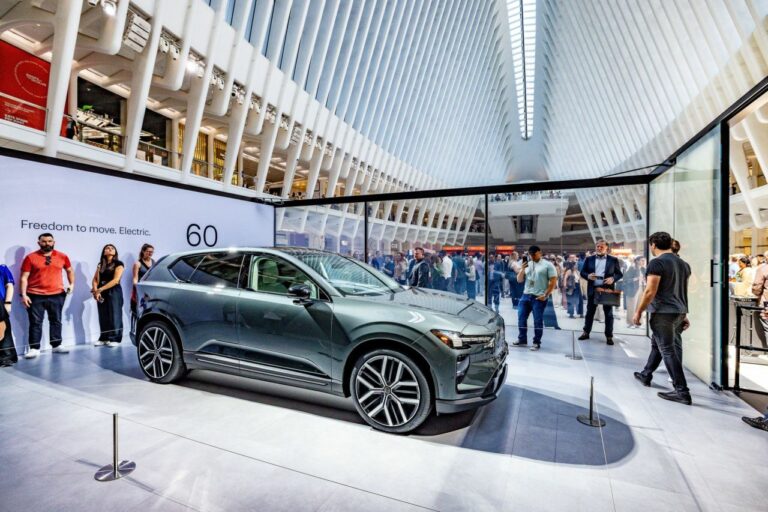
Mall operators are no longer leasing space for pop-ups. They are selling audience access.
Physical stores still drive most retail sales, fulfill online orders, support AI shopping, and help brands return to market.
Verified signals on brand expansion, store openings, and mall development. Free.
Free · No credit card · Unsubscribe any time
