

American fashion brand announced its decision to close its San Francisco store on Market Street.
American fashion brand Old Navy announced its decision to close its San Francisco store on Market Street after 24 years of operation. The closure of the flagship is due to the expiration of the lease term for the space in the prestigious location.
The outlet will close on July 1, 2023. The company promised to find a new location to open in San Francisco to “better meet business and customer needs.” Old Navy on Market Street opened in 1999. The outlet has a total area of 73,000 square feet. After it closes, the brand will have only one store in SF.
“Old Navy is always evaluating its real estate portfolio to ensure a healthy fleet of stores that can provide the best experience for our customers,” the company said. “Gap Inc. has deep roots in San Francisco and is committed to the city,” the statement noted.
Banana Republic previously opened a store in the Westfield San Francisco Centre neighborhood. It will soon change its location to Union Square and open in a smaller format. Three Gap stores and one Athleta store have closed in San Francisco since 2020. Specifically, the Gap flagships at Powell and Market streets, near the Old Navy store, and the Gap stores at the Embarcadero Center and Stonestown Galleria were closed.
Gap lost 6 percent of its revenue in the past fiscal quarter due to supply disruptions and rising consumer inflation. Since the beginning of the year, the company’s stock has lost more than 25% in value. In April, Gap announced it would lay off about 1,800 employees.
At the same time, retailers are increasingly closing their stores in downtown San Francisco, which has lost tourists due to the pandemic and security issues and customer migration to the Internet. Saks Off Fifth, Nordstrom and other stores have closed there recently.
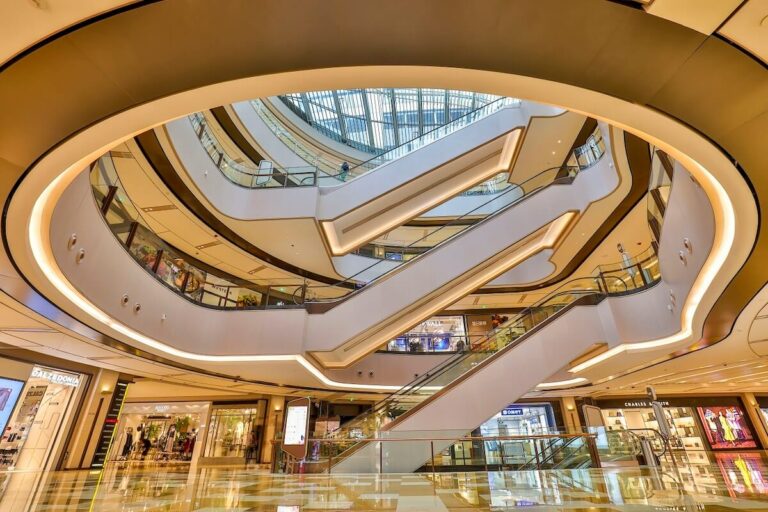
NikeSKIMS, Birkenstock and Starbucks Reserve chose HKRI Taikoo Hui for major China debuts. Why the Shanghai complex keeps winning new…
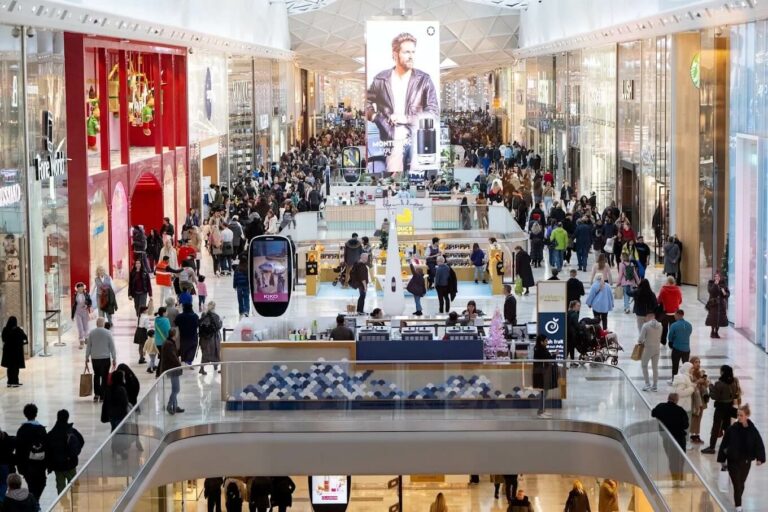
Bluewater opens its first new anchor since 1999. Next takes the former House of Fraser space with about 132,000 square…
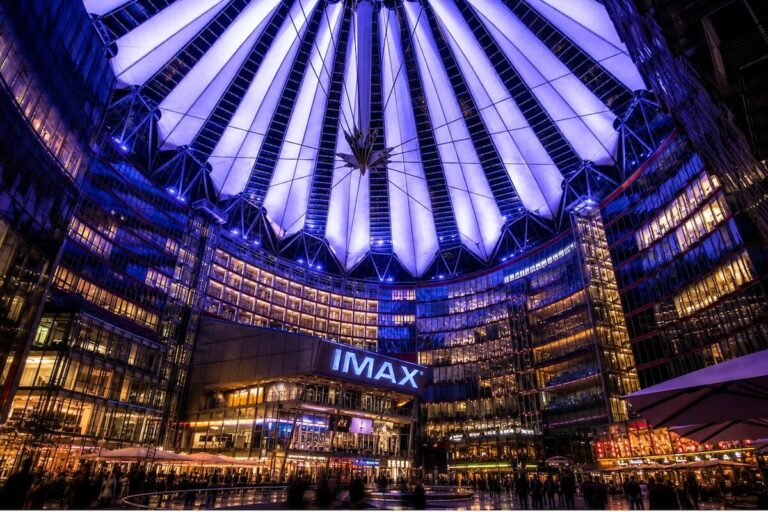
Opening in IMAX 70mm on July 17, 2026: Christopher Nolan's The Odyssey. Select shows went on sale one year in…

European retail is scaling AI, agentic commerce and retail media, but consumer trust is becoming the constraint. Four structural shifts…

Mall operators are no longer leasing space for pop-ups. They are selling audience access.
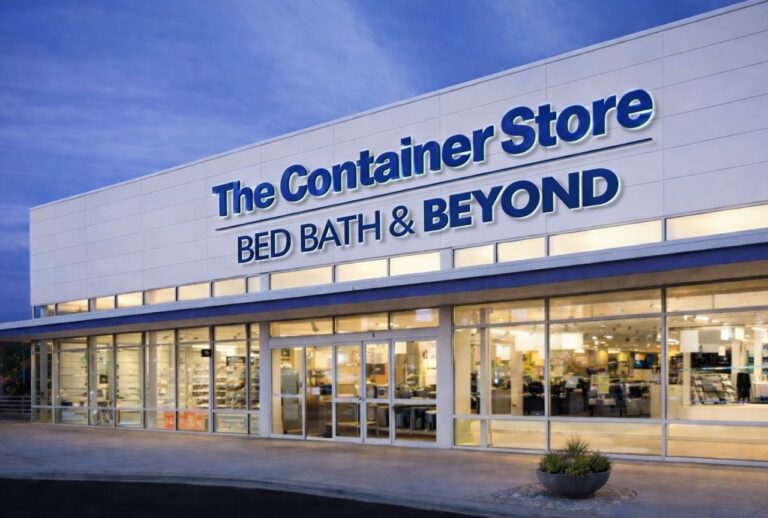
Physical stores still drive most retail sales, fulfill online orders, support AI shopping, and help brands return to market.
