
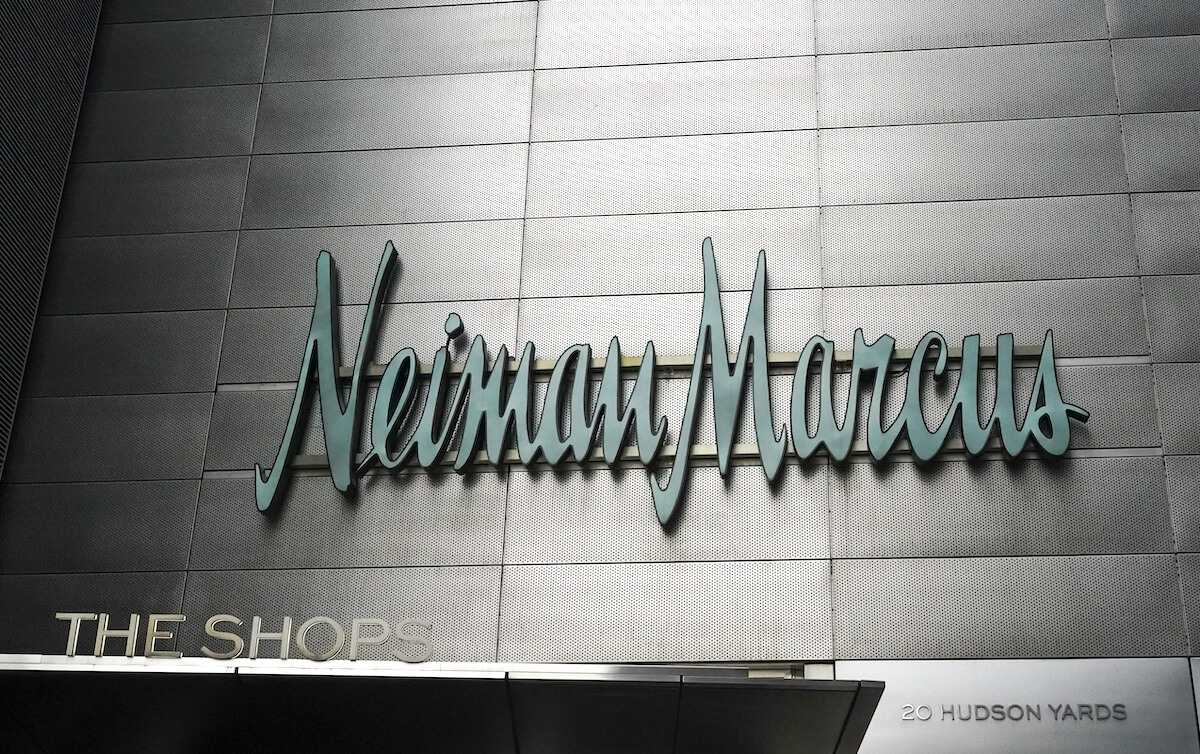
The new owners of the chain were able to stabilize its financial situation, but the company still has to pay creditors about $114 million annually.
U.S. luxury department store chain Neiman Marcus has become one of the retailers severely affected by the pandemic. The company has taken several steps to stabilize the situation and is now reportedly planning on a large-scale refinancing by selling securities worth more than a billion dollars.
Due to the dire financial situation, the Neiman Marcus chain was forced to file for bankruptcy back in May 2020. In September, the bankruptcy process was suspended when the leading creditors of Pacific Investment Management Company, Davidson Kempner Capital Management, and Sixth Street Partners defaulted on their debt, received a portion of the property, and became the new owners of the chain of department stores.
Now it has become known that Neiman Marcus Group once again conducted the refinancing process and sold $1.1 billion worth of promissory notes. Securities were sold to repay other loans of the company. The deal allowed the three owners of Neiman Marcus, who are also the retailer’s largest creditors, to reduce their risk significantly. Simultaneously, the company itself even slightly increased its debt at the time of bankruptcy, effectively swapping some debt for others.
The reorganization plan significantly reduced the value of the chain’s debt, from $5 billion to about $1 billion. The company has been forced to pay a substantial amount in interest on its obligations, estimated at $114 million a year as of January 2021, according to a WWD report.
The situation is exacerbated by the fact that Neiman Marcus’ revenues, according to company reports, are showing a decline. One of the main factors exacerbating the case has been a decline in international tourism. The chain’s range of department stores specializing in luxury goods is primarily designed for customers from other countries. To manage the existing debts, including those on promissory notes, the maturity of which has been extended until 2026, the company needs to increase revenue in the coming periods.
Photo credit: depositphotos.com.
Bluewater opens its first new anchor since 1999. Next takes the former House of Fraser space with about 132,000 square…
Opening in IMAX 70mm on July 17, 2026: Christopher Nolan's The Odyssey. Select shows went on sale one year in…

European retail is scaling AI, agentic commerce and retail media, but consumer trust is becoming the constraint. Four structural shifts…

Mall operators are no longer leasing space for pop-ups. They are selling audience access.
Physical stores still drive most retail sales, fulfill online orders, support AI shopping, and help brands return to market.
A practical guide to nine mall tenant formats in 2026, from flagships and pop-ups to anchor redevelopment and mixed-use retail.
Verified signals on brand expansion, store openings, and mall development. Free.
Free · No credit card · Unsubscribe any time
