The Shops at Park Lane is a 550,000 square foot mixed-use property in Dallas, Texas, operated by Crow Holdings Capital and classified as A-. Opened in 2009 on the site of the former Sakowitz department store, the development integrates retail with residential and office components, creating a format that functions as both a shopping destination and a connected urban district.
The property sits in the Park Lane corridor of northeast Dallas, drawing from some of the most retail-active neighborhoods in the metro area. Trade area coverage extends across Lake Highlands, White Rock, and the neighborhoods north toward Richardson and Garland, pulling in a consumer base that skews toward working professionals and established households. The surrounding area carries above-average household incomes relative to the broader Dallas-Fort Worth market, and the density of residential and office uses on and adjacent to the site produces foot traffic across multiple parts of the day, not just peak weekend shopping hours.
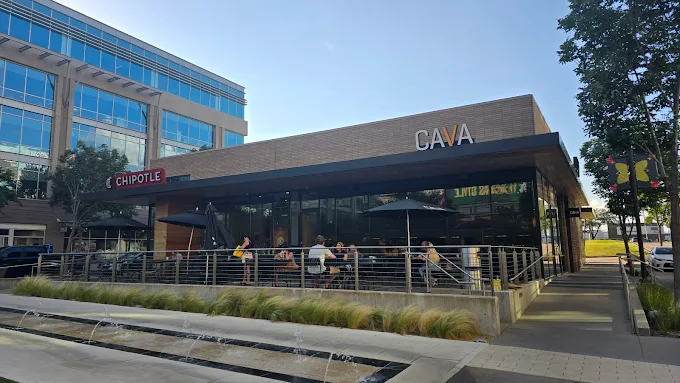
Nordstrom Rack anchors the retail component, setting a value-oriented but brand-conscious tone for the center. J. Crew, LOFT, and Old Navy cover a range of apparel price points and shopper profiles, from fashion-forward casual to accessible everyday basics. Ulta Beauty holds the beauty category, drawing repeat visits from a broad demographic. Chipotle contributes to the dining component alongside other food and beverage tenants that support the mixed-use traffic pattern. Beyond the confirmed anchors, the tenant base includes apparel retailers, specialty concepts, and service-oriented tenants that serve the residential and office population alongside destination shoppers. The mix targets a broad consumer base rather than a narrowly defined premium or discount audience, which suits the property’s position as a neighborhood-scale regional draw.
For brands evaluating Dallas entry or expansion within the metro, Park Lane presents a format that performs differently than a conventional enclosed mall. The residential and office components generate consistent weekday and evening traffic, which benefits food, beauty, and convenience-oriented retail more than pure destination shopping concepts. The trade area is dense enough to support sustained volume without relying on tourism or event-driven visitation. Apparel, health and wellness, services, and food and beverage concepts with a mid-market to accessible premium positioning are well matched to the shopper profile here. Brands that perform best in mixed-use environments, where repeat visit frequency matters more than single-trip basket size, are the strongest candidates for this property.