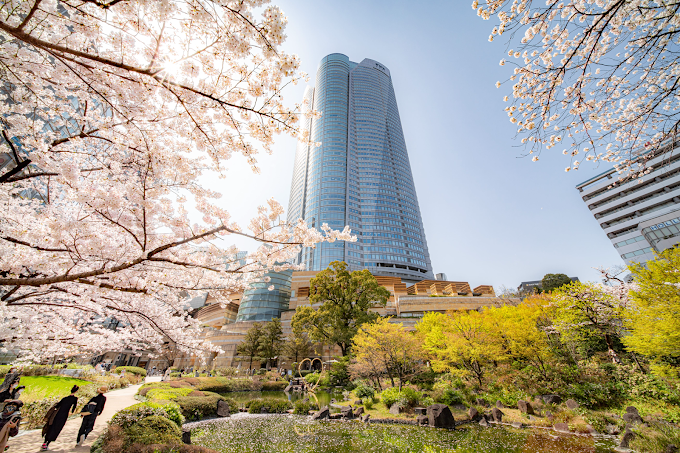
Roppongi Hills is a 379,000 square meter mixed-use development opened by Mori Building in April 2003, the founding property of the firm’s vertical urbanism model and Tokyo’s first large-scale integrated commercial-residential-cultural complex. Classified A++ in the Malls.com framework, the approximately 75,000 square meters of retail across the West Walk, Hill Side, Metro Hat, and Keyakizaka shopping zones operate as the commercial layer of a complex anchored by three experience-driven traffic generators that established the Mori Building format: the Mori Tower observatory on floor 52 with the open-air Sky Deck rooftop, the Mori Art Museum on floors 52 and 53 operating as one of Tokyo’s primary contemporary art institutions with major retrospectives that draw 500,000 to 1 million visitors annually, and the Tokyo City View 360-degree indoor observatory on the same level.
The Roppongi district was a nightlife and bar quarter with limited daytime retail before Roppongi Hills opened, and the property is widely credited with reshaping Roppongi into a design and luxury cluster alongside Tokyo Midtown (2007) and the National Art Center (2007). The trade area combines weekday corporate traffic from the integrated office floors hosting Goldman Sachs Japan, J-Wave, Asahi Shinsei, and other anchor tenants, weekend art and museum traffic from across Tokyo, and inbound visitors primarily from East Asia. Roppongi Station on the Hibiya and Oedo Lines handles approximately 240,000 daily passengers. Surrounding Minato Ward ranks first nationally in household income, with the immediate Roppongi 6-chome zone among the highest land-value parcels in Tokyo.
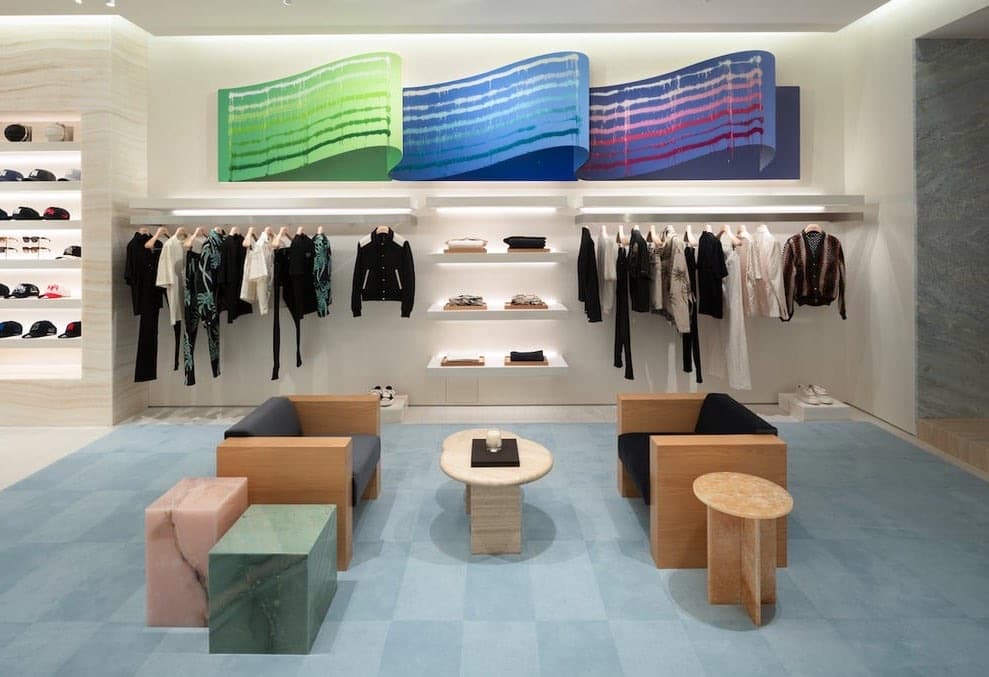
The retail base of approximately 200 stores and food and beverage outlets distributes across four zones with distinct positioning. Keyakizaka Avenue concentrates luxury houses including Louis Vuitton, Dior, Tiffany, and Bvlgari at street level along the property’s signature pedestrian boulevard. West Walk runs through the Mori Tower base with mid-luxury fashion and dining. Hill Side offers daily-frequency tenants including a supermarket and pharmacy. Metro Hat at the Roppongi Station entrance functions as the high-traffic transitional zone. The Toho Cinemas Roppongi Hills nine-screen multiplex on the basement levels serves as the evening anchor.
For brands evaluating Tokyo flagship strategy, Roppongi Hills offers integration with the Mori Building experience-driven traffic model that the firm subsequently extended through Toranomon Hills (2014), Azabudai Hills (2023), and the planned Hills properties through the 2030s. Entry conditions favor brands with established Japan presence or strong design positioning. Traffic patterns weight evening and weekend, with the museum circuit driving longer dwell times than typical mall traffic. Roppongi Hills functions as the format reference for Tokyo’s mixed-use luxury developments.