
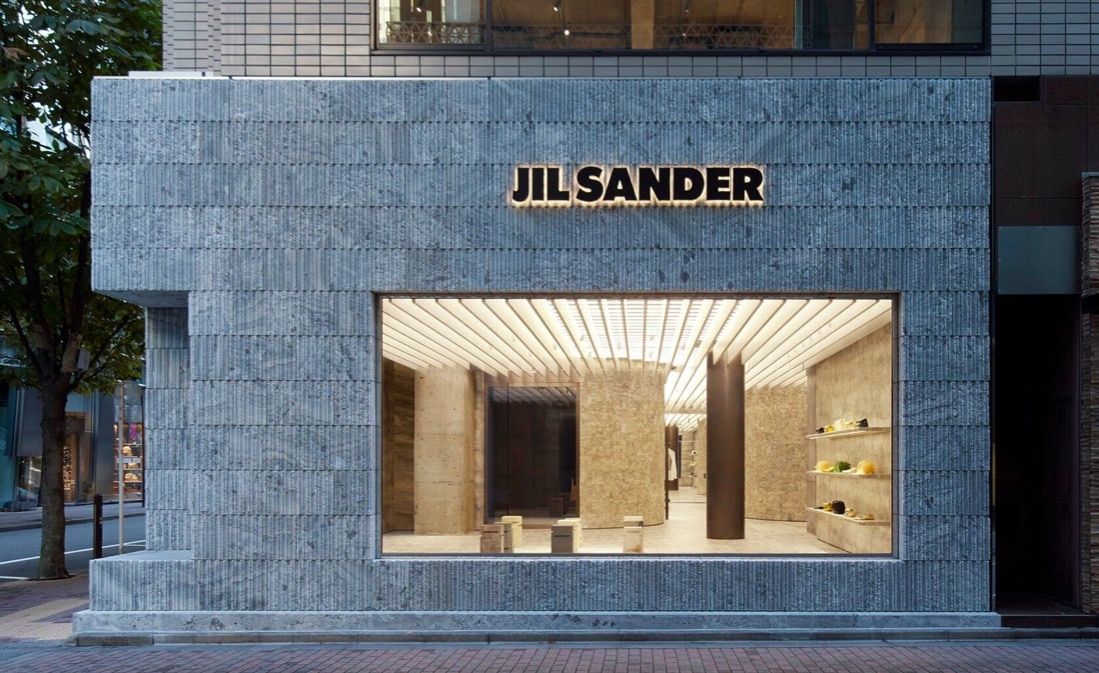
Designed by creative directors Lucie and Luke Meier, the store reflects their commitment to sustainability. Jil Sander has unveiled its largest flagship store in Tokyo’s bustling Ginza district, spanning over 600 square meters across two floors. Designed by creative directors Lucie and Luke Meier, the store reflects their commitment to sustainability, utilizing natural and recycled […]
Designed by creative directors Lucie and Luke Meier, the store reflects their commitment to sustainability.
Jil Sander has unveiled its largest flagship store in Tokyo’s bustling Ginza district, spanning over 600 square meters across two floors. Designed by creative directors Lucie and Luke Meier, the store reflects their commitment to sustainability, utilizing natural and recycled materials to create a timeless retail environment.
The interior features monochrome marble blocks, brass architectural accents, and timber furnishings. Silver-blue travertine clads the walls and staircases, while the floors are made from solid stone. Unique furniture pieces crafted from recycled plastic—sourced from compact disc cases—add a modern touch. Lighting plays a key role, with soft natural illumination evoking the feel of an artist’s studio.
For the first time, Jil Sander has integrated an exhibition space within a retail setting. The inaugural showcase includes Bergamo II, a sculpture by renowned British artist Rachel Whiteread, offering customers a blend of art and fashion in one immersive experience.
In homage to the Ginza district—its name derived from “Gin,” meaning silver in Japanese—the store launches with an exclusive capsule collection of silver-accented products. Signature pieces like The 7 Days Shirt and The Cannolo Bag are reimagined with metallic details.
The flagship also introduces Jil Sander’s new fine jewelry collection, featuring exquisite designs in white and yellow gold with diamonds, marking the brand’s expansion into the luxury accessories market.
This Ginza store is the second collaboration between Jil Sander and renowned architectural firm Casper Mueller Kneer, following the successful opening of the brand’s Bond Street flagship in London. Together, they’ve created a space that seamlessly blends contemporary aesthetics with sustainability and cultural relevance.
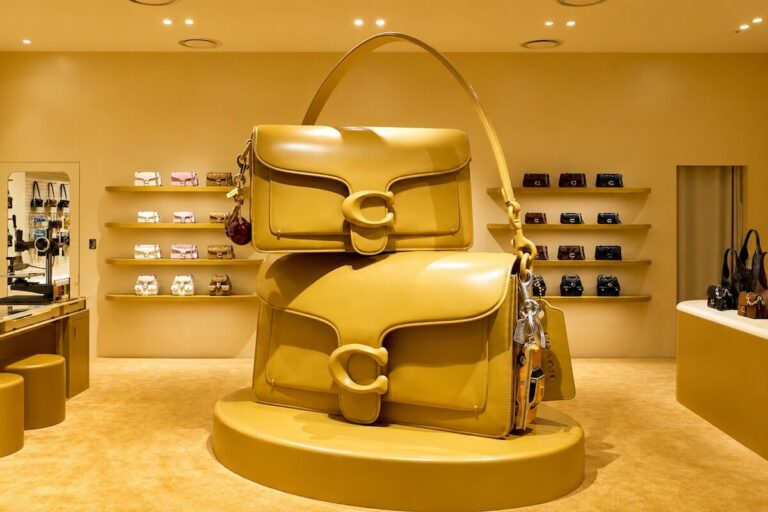
Gross margins and selected profit metrics for Coach, Pop Mart, lululemon, Miniso, Five Below, TJX and Costco, plus where each…
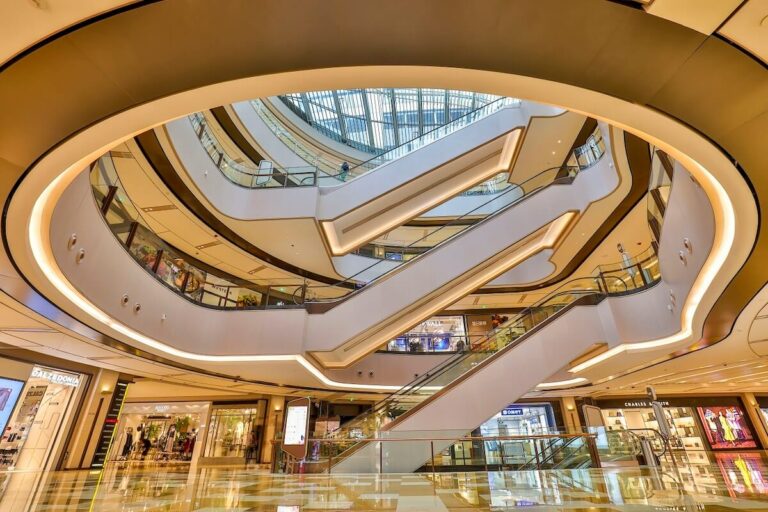
NikeSKIMS, Birkenstock and Starbucks Reserve chose HKRI Taikoo Hui for major China debuts. Why the Shanghai complex keeps winning new…
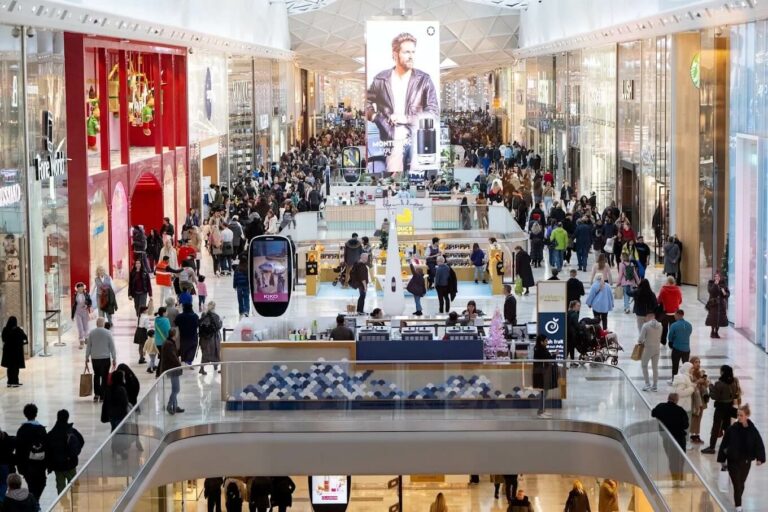
Bluewater opens its first new anchor since 1999. Next takes the former House of Fraser space with about 132,000 square…
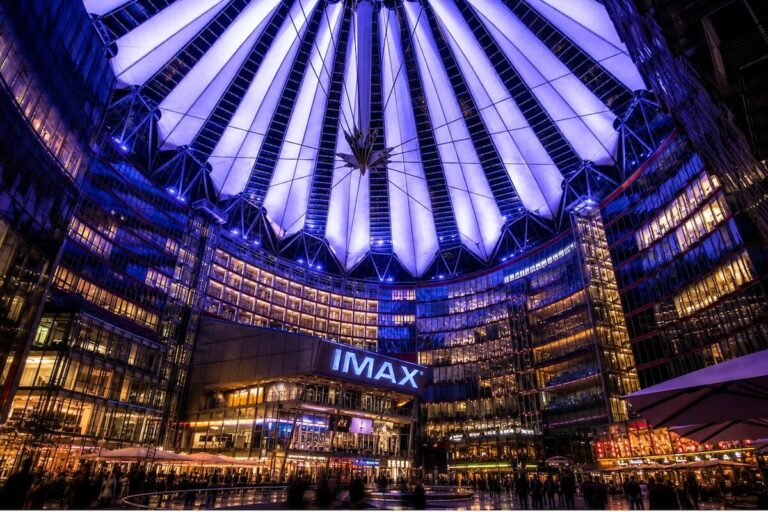
Opening in IMAX 70mm on July 17, 2026: Christopher Nolan's The Odyssey. Select shows went on sale one year in…

European retail is scaling AI, agentic commerce and retail media, but consumer trust is becoming the constraint. Four structural shifts…
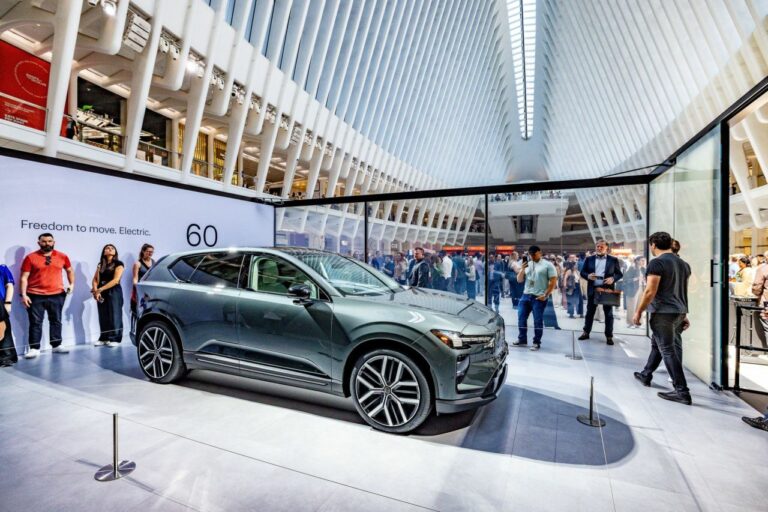
Mall operators are no longer leasing space for pop-ups. They are selling audience access.
