

Daniel Grieder worked as the CEO of Tommy Hilfiger for over two decades.
The PVH Corp. conglomerate that owns brands such as Tommy Hilfiger, Calvin Klein, IZOD, Arrow, and several others, announced in a statement that Daniel Grieder, the CEO of Tommy Hilfiger Global and PVH Europe, has left the company “after 23 years in various management positions.” It is stated that he left “to pursue other interests.” According to the official press release, his place will be taken by Martin Hagman. Grieder will mentor and assist the new CEO for several months.
Before that, Hagman was Chief Operating Officer of Tommy Hilfiger Global and PVH Europe, and Chief Financial Officer of Tommy Hilfiger Global, having spent 12 years with the company. In his own words, he led Tommy Hilfiger’s operations, finance, digital transformation, technology, business development, and global sustainability programs.
Grieder’s “other interests” came to light a little later, when it was reported that the former CEO of Tommy Hilfiger would take a similar position in Hugo Boss. Reports claim that this will happen in June 2021 and that a contract for 5 years has been signed. Grieder will replace Mark Langer, who will leave on September 30th. From October 2020 to May 2021, the luxury brand will be managed by Yves Muller, Chief Financial Officer.
Tommy Hilfiger, along with Calvin Klein, is one of the strongest PVH Corp. labels, even despite the problems associated with the coronavirus pandemic that all clothing brands are facing. In many ways, this is an advantage for Grieder, who took up his post in 2014. At the time, Tommy Hilfiger was valued at $6 billion. By the end of 2019, the total value was estimated at $9 billion. At the same time, Calvin Klein’s European business more than doubled in revenue.
One of the reasons Tommy Hilfiger’s revenue doubled is the fact that the main products of the brand are denim and underwear; they sell equally well all year round. The brand is also focusing on attracting a younger audience and following all modern principles of eco-friendliness.
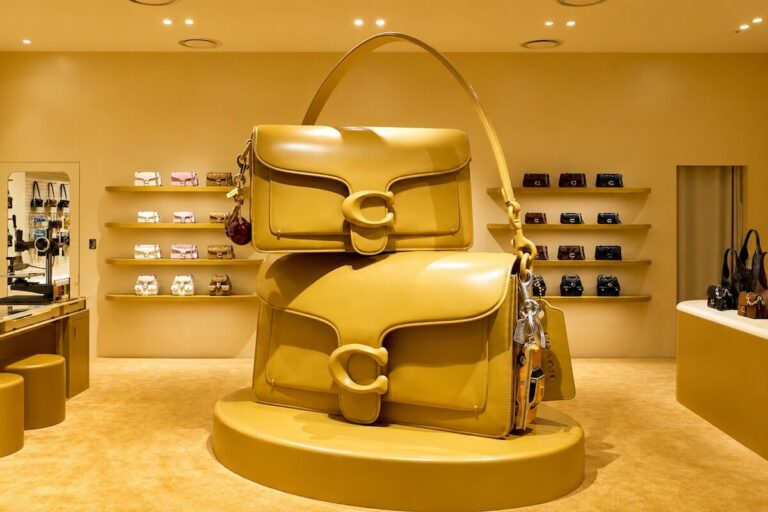
Gross margins and selected profit metrics for Coach, Pop Mart, lululemon, Miniso, Five Below, TJX and Costco, plus where each…

NikeSKIMS, Birkenstock and Starbucks Reserve chose HKRI Taikoo Hui for major China debuts. Why the Shanghai complex keeps winning new…
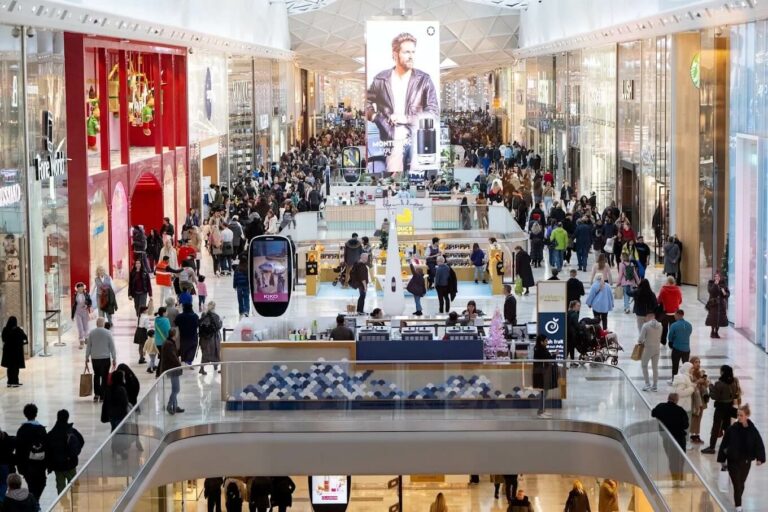
Bluewater opens its first new anchor since 1999. Next takes the former House of Fraser space with about 132,000 square…

Opening in IMAX 70mm on July 17, 2026: Christopher Nolan's The Odyssey. Select shows went on sale one year in…

European retail is scaling AI, agentic commerce and retail media, but consumer trust is becoming the constraint. Four structural shifts…

Mall operators are no longer leasing space for pop-ups. They are selling audience access.
