
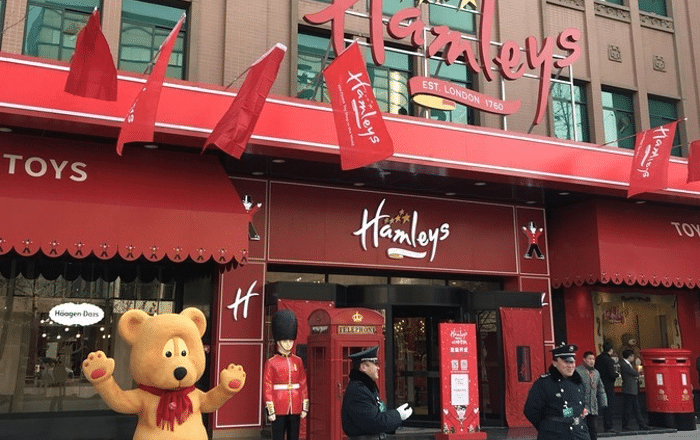
The retailer announced the cessation of operating activities in three markets at once.
Over the past year, the retailer has closed a number of stores, and also announced the cessation of operating activities in three markets at once.
The British toy seller Hamleys, which has been leading its history since 1760, continues to experience serious problems both in the domestic and international markets. Over the past year, the retailer lost more than 500% of the profits. According to the results of the past twelve months, Hamleys net loss amounted to $ 12 million against 2.6 million profit a year earlier. The company partly attributed its losses to macroeconomic factors, such as Brexit, and also blamed terrorism.
Outside the UK, Hamleys is doing badly: over the past year, the retailer has closed 6 of its own and 4 franchised stores and also announced that it has stopped operating in three markets at once – in Denmark, Norway, and Sweden. The decrease in the number of shopping facilities, which has reached 29 of its own and 100 partner ones, is explained in the company by a decrease in the overall level of sales. According to the company, failures in terms of business transformation led to a sharp decline in profits.
“While our international franchises have shown good growth, overall, last year was one of the most difficult in the history of the company,” commented Ralph Cunningham, a chief executive officer of Hamleys. According to him, the company was not insured against the negative impact on trade by Brexit, the general erosion of confidence in consumption and reduced purchasing power due to the threat of terrorism.
At the same time, Cunningham notes, 2017 is over, and the plan for transforming the company is moving in the right direction in order to return the business to profitability next year.

European retail is scaling AI, agentic commerce and retail media, but consumer trust is becoming the constraint. Four structural shifts…
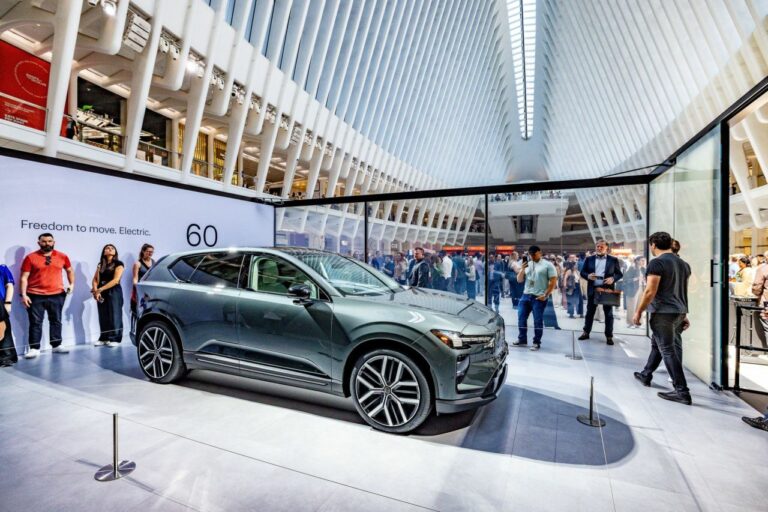
Mall operators are no longer leasing space for pop-ups. They are selling audience access.
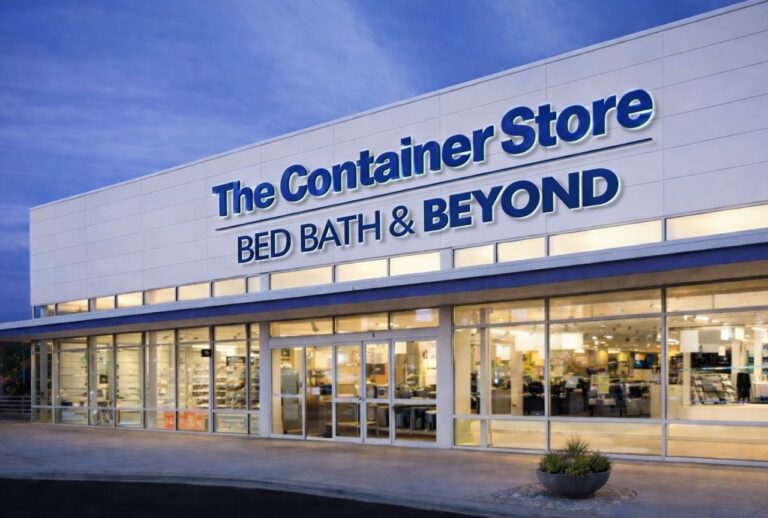
Physical stores still drive most retail sales, fulfill online orders, support AI shopping, and help brands return to market.
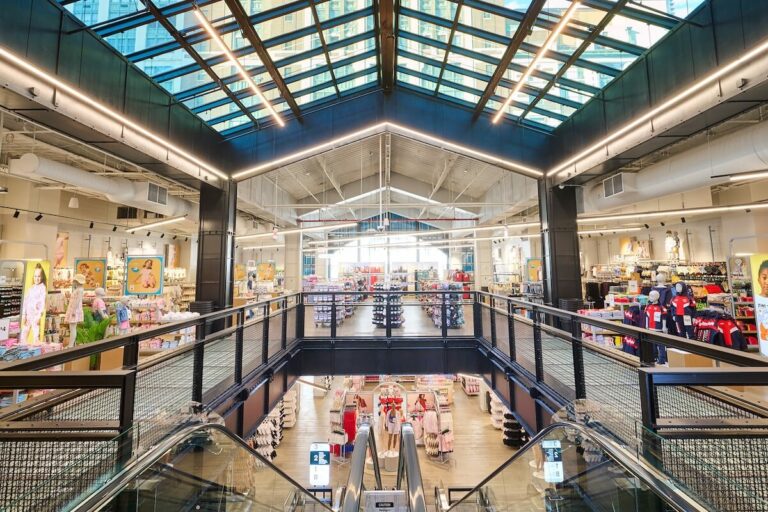
A practical guide to nine mall tenant formats in 2026, from flagships and pop-ups to anchor redevelopment and mixed-use retail.
1,051 of 1,173 US malls hold zero ultra-luxury brands. Half of all Cartier, Chanel, Hermès, and Louis Vuitton mall stores…

Every physical expansion decision starts with the same question: where does the store go?
Verified signals on brand expansion, store openings, and mall development. Free.
Free · No credit card · Unsubscribe any time
