

Birkenstock has opted for a pricing point near the midpoint of its targeted range of $44 to $49 per share.
German brand Birkenstock has set its initial public offering (IPO) price at $46 per share. This pricing places the company’s market value at approximately $8.64 billion, slightly below its earlier expectation of up to $10 billion.
Birkenstock has opted for a pricing point near the midpoint of its targeted range of $44 to $49 per share. This approach is considered a precautionary measure, considering market volatility and ensuring a stable debut.
The offering involves approximately 32 million shares. At the IPO price of $46 per share, Birkenstock’s market capitalization stands at around $8.6 billion, making it a significant player in the footwear industry, aligning with Swiss shoe brand On Running and surpassing the valuation of Crocs.
The decision to price near the mid-range comes after Birkenstock received solid interest from investors. Trading under the symbol “BIRK,” the shares will debut on the New York Stock Exchange, and the IPO is being led by major financial institutions, including Goldman Sachs, JPMorgan Chase, and Morgan Stanley.
Birkenstock, a company with a rich history dating back at least 250 years, has changed ownership and leadership. In 2021, brothers Alex and Christian Birkenstock, who inherited the business, became billionaires following the sale of a 70% stake to the L Catterton fund, controlled by Bernard Arnault, Europe’s wealthiest businessman, and his family’s holding company Financière Agache.
Birkenstock’s roots trace back to 1774 when Johann Adam Birkenstock was documented as a “subject and shoemaker” in the German town of Langen-Bergheim.
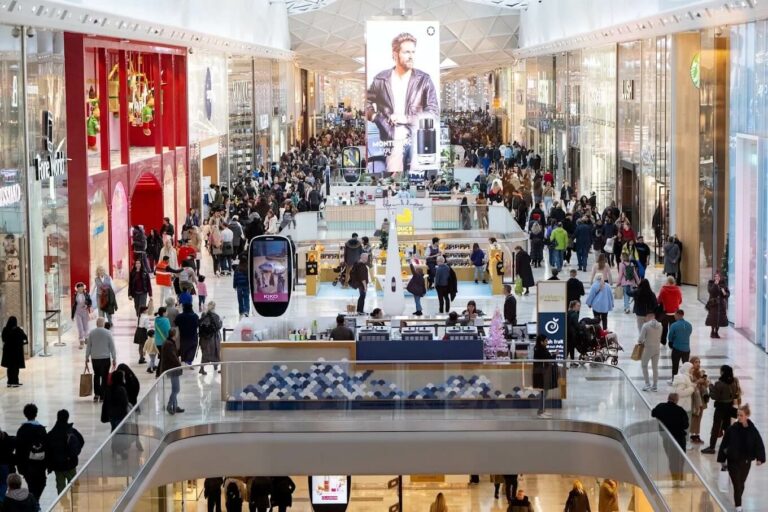
Bluewater opens its first new anchor since 1999. Next takes the former House of Fraser space with about 132,000 square…

Opening in IMAX 70mm on July 17, 2026: Christopher Nolan's The Odyssey. Select shows went on sale one year in…

European retail is scaling AI, agentic commerce and retail media, but consumer trust is becoming the constraint. Four structural shifts…
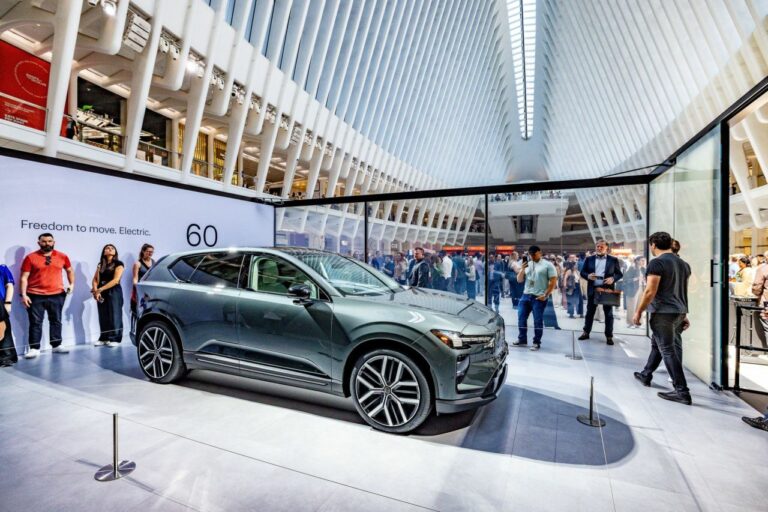
Mall operators are no longer leasing space for pop-ups. They are selling audience access.

Physical stores still drive most retail sales, fulfill online orders, support AI shopping, and help brands return to market.

A practical guide to nine mall tenant formats in 2026, from flagships and pop-ups to anchor redevelopment and mixed-use retail.
Verified signals on brand expansion, store openings, and mall development. Free.
Free · No credit card · Unsubscribe any time
